Articles related to: smart farming systems

Good years. Tough years. Droughts. Market shifts. You’ve weathered them all. 

But when it comes to the farm’s future, there’s a bigger question:
Are we building something that lasts? 

Profit matters.
But it’s not the only signal of health. 

Some farms turn big profits—then collapse under stress. Others run lean but stay steady because their systems, people, and leadership are solid. 

Here’s a better lens for long-term success: The Legacy Scorecard through legacy planning.

Eight indicators that tell you if the farm is built to last—not just to survive.

(1) Can the Farm Run for 7 Days Without You?

This is your clearest signal of team maturity and system resilience. 

If you’re still: 

  • Assigning jobs manually 
  • Fixing bottlenecks yourself 
  • Making all the calls when something changes 

…then your systems don’t support freedom or succession. 

A farm that depends entirely on one person isn’t future-ready. 

 (2) Is There Role Clarity Across the Team?

Every person on the farm should know: 

  • What they own 
  • What they can decide 
  • What they report on 
  • Who backs them up 

Without this, you get confusion, double-handling, and burnout.
With it, you get accountability, confidence, and calm. 

 (3) Do You Have a System to Capture Jobs and Plans—Not Just a Person?

The spray list can’t live in someone’s head.
The roster can’t sit on the whiteboard only one person updates.
The “what’s next” list can’t be in a notebook no one else sees. 

Jobs, timing, and status need to be: 

  • Visible 
  • Shareable 
  • Trackable 

If someone else can’t pick up the week and run it, you’re not ready to step back. 

(4) Are Records Being Captured Automatically, Not As a Chore? 

Record keeping isn’t just for audits. It’s how you prove: 

  • Jobs were done 
  • People were safe 
  • Products were applied correctly 
  • The business is traceable and trustworthy 

Smart farms don’t add admin—they build it into the job close-out: 

  • Checklist ticked 
  • Photo uploaded 
  • Time + person logged 

No chasing. No rewriting. Just reliable data from the work already done. 

 (5) Is There a Regular Rhythm of Review and Reset?

Healthy farms have short, sharp routines to stay aligned: 

  • Weekly check-in: what’s coming, what’s stuck 
  • Monthly review: wins, risks, adjustments 
  • Seasonal reset: lessons, goals, strategy shifts 

No meetings? You drift.
Too many? You stall. 

The rhythm matters more than the format. It’s how the team stays sharp, not scattered. 

(6) Can Someone Outside the Farm Understand Your Structure in One Page? 

You don’t need a 30-page manual.
But you do need one clear page that shows: 

  • Who does what 
  • Who decides what 
  • How to get work done 
  • How to step in during leave or succession 

If the only person who can explain the farm is you—it’s not built to continue. 

(7) Have You Named the Top 3 Risks and How You’re Managing Them? 

Most farms know their risks. Few write them down. Even fewer assign ownership. 

It could be: 

  • People (burnout, turnover, key-person dependency) 
  • Operational (machinery downtime, paddock access) 
  • Strategic (succession delays, no capital plan) 

What matters is: 

  • Naming them 
  • Assigning responsibility 
  • Reviewing status every quarter 

Unspoken risk becomes future pain. 

(8) Is the Next Generation Being Treated Like Owners-in-Training—Not Just Workers? 

Tasks keep the wheels turning.
Ownership mindset keeps the business growing. 

Ask: 

  • Are they being shown the numbers? 
  • Are they part of planning—not just execution? 
  • Are they being developed to lead? 

You’re not just handing over land. You’re handing over a legacy. 
What Legacy Planning Really Measures 

It doesn’t measure how busy you are.
It measures whether the business side of the farm is as strong as the operational side. 

Because profit doesn’t equal resilience.
And busyness doesn’t equal readiness. 

These 8 indicators give you a clearer view: 

  • Are we relying on memory or system? 
  • Are we a team or a hub-and-spoke model? 
  • Are we building something stable, scalable, and survivable? 

Where to Start Your Legacy Planning? 

The Ultimate Time-Freedom Checklist helps you quickly assess the systems, habits, and gaps that hold your farm back from real continuity. 

It’s fast, practical, and built for busy farm owners who want more control—not more admin. 

👉 Download the checklist here 

Your profit matters. But legacy planning is built on structure. 

If you found this article helpful, share it with your network to help others unlock their farming potential. Don’t forget to like and follow us on social media for more insightful tips: FacebookInstagram, and LinkedIn. Let’s empower more farmers together!
Most farmers don’t struggle with effort.
They struggle with consistency. 

They’ll work through heat, cold, broken gear, and long days without complaint. But ask them to follow the same simple process every week — logging tasks, updating records, reviewing plans — and suddenly it feels heavy. 

That’s not a character flaw. It’s human. And farming, in particular, makes discipline harder than most people realise. 

Why Discipline Feels So Hard on Farms 

1. Farming Is Reactive by Nature

Weather changes. Stock get sick. Machinery breaks. Markets move.
The day rarely goes to plan. 

When work is constantly reactive, discipline feels like a luxury. Processes get pushed aside “just this once” — and then quietly abandoned. 

Discipline needs rhythm. Farming often runs on disruption. 

2. Discipline Looks Like Extra Work (At First)

Writing things down.
Updating systems.
Stopping to review. 

All of that feels slower than “just getting on with it.” And in the short term, it often is slower. 

The problem is, farmers judge discipline by today’s effort, not tomorrow’s relief.

3. Too Much Lives in One Person’s Head 

On many farms, one or two people carry the mental load: 

  • What needs doing 
  • Who’s responsible 
  • What’s changed 
  • What to watch out for 

When discipline relies on memory, it feels exhausting.
You’re not just doing the work — you’re holding the whole operation together in your head. 

That’s not sustainable.

4. Discipline Gets Confused with Control

Some farmers avoid discipline because it feels rigid or “corporate.” 

But discipline isn’t about micromanaging people.
It’s about reducing friction. 

Good discipline gives freedom. Poor discipline creates chaos. 

The Shift: From Willpower to Design 

Here’s the turning point most farmers miss: 

Discipline fails when it relies on willpower.
Discipline works when it’s built into the system. 

You don’t need to become more “motivated.”
You need to make the right behaviour easier than the wrong one. 

How to Make Discipline Easier on Farms

1. Shrink the Standard

Big systems fail. Small standards stick. 

Instead of: 

“We’ll improve communication”
Try:
“We’ll do a 7-minute check-in at the start of the day” 

Instead of: 

“We’ll manage tasks better”
Try:
“Every job goes into one place before it’s started” 

Discipline grows through tiny, repeatable actions.

2. Anchor Discipline to Existing Work

Don’t add discipline on top of busy days — attach it to what already happens: 

  • Update tasks when the tractor shuts off 
  • Review the plan during smoko 
  • Log issues at shift handover 

If discipline requires a separate time slot, it won’t survive peak season.

3. Use Tools That Reduce Thinking

The best tools don’t demand more attention — they remove decisions. 

Simple systems like Smartsheet help by: 

  • Prompting the right questions 
  • Making next steps obvious 
  • Reducing “where did we put that?” moments 

When the system remembers for you, discipline stops feeling like effort.

4. Accept That Imperfect Is Normal

Discipline breaks during lambing.
During harvest.
During emergencies. 

That’s fine. 

The mistake is waiting for the “right time” to restart. 

Good farms don’t aim for perfect discipline.
They aim for fast recovery.

5. Build the Muscle, Not the Myth

Discipline isn’t a personality trait.
It’s a skill. 

Like fitness, it builds gradually: 

  • Short reps 
  • Clear form 
  • Consistent practice 

This is where coaching matters — not to tell farmers what to do, but to help them stick with it long enough to feel the payoff. 

Where Enable Ag Comes In 

At Enable Ag, we don’t assume farmers lack discipline.
We assume they’re overloaded. 

That’s why our approach combines: 

  • Personal upskilling (how to think differently) 
  • Simple frameworks (what to do next) 
  • Practical systems (where it lives) 
  • Coaching (how to keep going when it gets messy) 

We help turn discipline from a daily battle into a background habit.
Not through pressure.
Through design.  

Want to Make Discipline Easier to Maintain? 

The Ultimate Time-Freedom Checklist helps you identify which processes to simplify, where to shift effort into systems, and how to reduce dependency on memory. 

👉 Download the checklist here 

Discipline doesn’t need to feel heavy.
It just needs structure. 

If you found this article helpful, share it with your network to help others unlock their farming potential. Don’t forget to like and follow us on social media for more insightful tips: FacebookInstagram, and LinkedIn. Let’s empower more farmers together!

In the fast-paced world of agriculture, the demands on your time can be overwhelming. As an Australian farmer, you’re no stranger to the challenges of managing a farm while striving for productivity and profitability. Enter smart farming systems—innovative solutions designed to help you reclaim your time without sacrificing the success of your farm. These systems are not just about technology; they’re about transforming your daily operations to create a more sustainable and balanced farming lifestyle. According to this article on smart farming, precision agriculture is revolutionising the way we approach farming, offering practical solutions that can empower your team and streamline your workflow.

Understanding Smart Farming Systems

Smart farming systems are all about efficiency and precision. They integrate advanced technologies like IoT, AI, and data analytics to optimise various farming processes. Imagine having a system that monitors soil conditions, weather patterns, and crop health in real-time. This isn’t just futuristic thinking; it’s happening now. By adopting these systems, you can make informed decisions that enhance productivity and reduce waste.

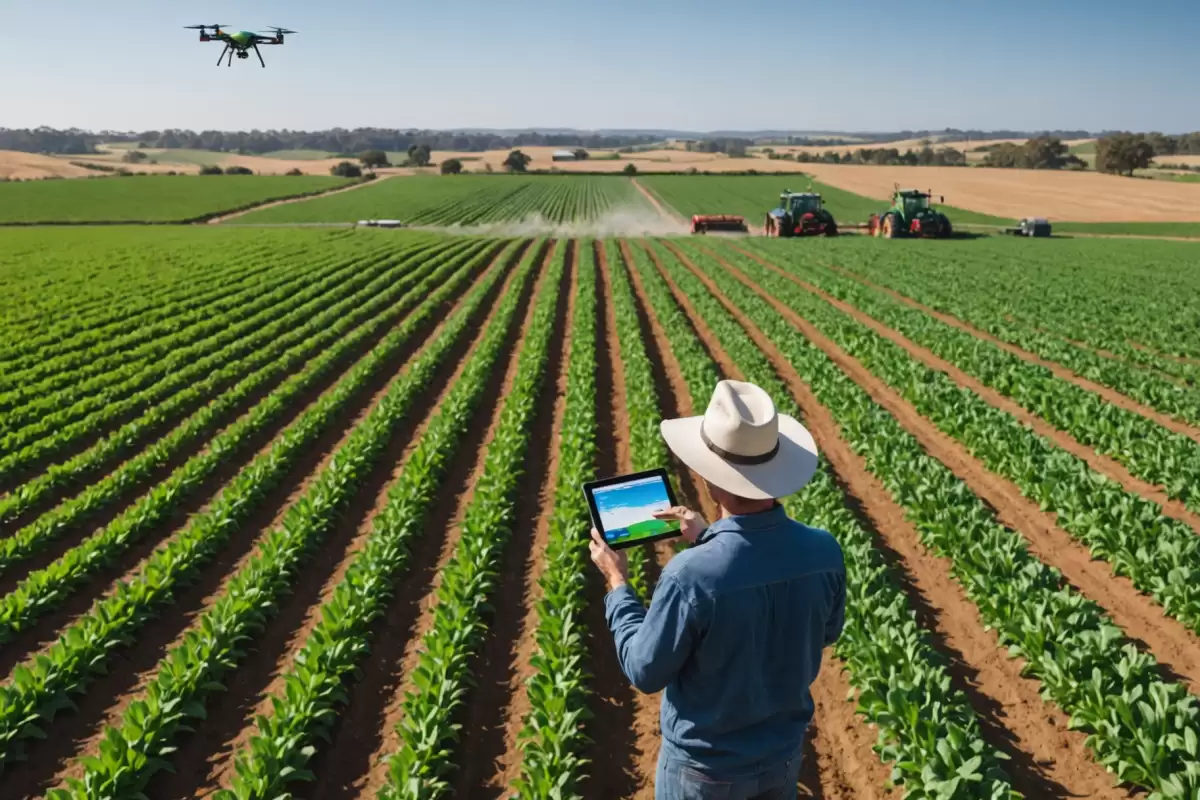
But what does this mean for you? It means less time spent on manual tasks and more time focusing on strategic decisions that drive your farm’s success. Ever tried using a drone to survey your fields? It’s a game-changer! These systems provide insights that were previously unimaginable, allowing you to manage your resources more effectively.

The Benefits of Automation in Agriculture

Automation is a key component of smart farming systems. It’s not about replacing human labour but enhancing it. By automating repetitive tasks, you can free up your time and energy for more critical aspects of farming. Think about irrigation systems that adjust based on weather forecasts or automated feeding systems for livestock. These innovations reduce the margin for error and ensure your farm operates smoothly.

Moreover, automation can significantly reduce stress. Knowing that your systems are handling routine tasks allows you to step back and focus on the bigger picture. It’s like having an extra pair of hands that never tire. This not only improves efficiency but also contributes to a healthier work-life balance.

Tailored Solutions for Your Farm

At Enable Ag, we understand that every farm is unique. That’s why smart farming systems are not one-size-fits-all. They can be tailored to meet the specific needs of your farm. Whether you’re managing a large-scale operation or a smaller family farm, there are solutions designed to fit your requirements.

Consider the challenges you face daily. Is it managing crop rotation, monitoring livestock health, or optimising resource use? Smart farming systems can address these issues with precision. By customising these systems, you can ensure they align with your goals and enhance your farm’s productivity.

Empowering Your Team

Empowering your team is crucial for the success of any farm. Smart farming systems can play a significant role in this by providing your team with the tools they need to perform their tasks more efficiently. Training your staff to use these systems not only boosts their productivity but also increases their job satisfaction.

Imagine a team that’s not bogged down by mundane tasks but is instead focused on strategic initiatives that drive growth. By investing in smart farming systems, you’re investing in your team’s future. This empowerment leads to a more motivated workforce and a more successful farm.

Taking the First Step Towards Smart Farming

Transitioning to smart farming systems might seem daunting, but it doesn’t have to be. Start small and gradually integrate these technologies into your operations. Begin with areas that require immediate attention and expand as you become more comfortable with the systems.

Remember, the goal is to enhance your farm’s efficiency and sustainability. By embracing these innovations, you’re not just improving your farm’s productivity; you’re transforming your lifestyle. It’s about working smarter, not harder.

Ready to take control of your farm’s future? Download the Farmers’ Ultimate Freedom Checklist to discover how smart farming systems can revolutionise your operations. Empower yourself, empower your team, and transform your farm today.

As farming enters a new era of innovation, technology stands at the forefront, offering not just new tools but new ways to grow and thrive. Yet, the heart of this evolution isn’t in chasing the latest gadgets; it’s in strategically selecting technology that genuinely enhances your farm operations. Drawing inspiration from Jim Collins’ “Good to Great,” where the leap from good to greatness is examined through a 5-year research project, it becomes clear that the transformative power of technology lies not in its novelty but in its application. Great companies—and farms, by extension—use technology to accelerate their momentum, building on what they already do well, rather than looking to technology as the sole source of transformation. Let’s explore into how this principle can be applied to your farm, ensuring that technology acts as a booster, not just a new addition, to your agricultural practices.

Today’s agricultural landscape is filled with innovations, from drones monitoring crop health to smart irrigation systems optimising water use. These advancements promise to bring precision and efficiency. The secret? Choose tech that enhances what you’re already great at, helping your farm not just grow, but grow smarter.

Farm Technology - What Makes a Farm Technology a Good Fit for Your Operations (2)

Smart Choices in Technology Use

Making technology work effectively for you involves careful planning and consideration. Here’s how you can make technology a powerful ally in your farming operations:

1. Assess and Choose Wisely

  • Identify Challenges: Understand the specific issues affecting your operations, such as work delegation issues, water management inefficiencies or high labor costs.
  • Gather Insights: Engage with other farmers at agricultural conferences or through meetups to learn from their experiences with technology. You may request case studies from tech companies too.
  • Conduct Due Diligence: Vet potential solutions by reviewing user feedback, compatibility with existing systems, and cost-effectiveness over time.
  • Trial and Decide: Test technologies that align with your needs in your farm’s environment and evaluate their benefits before fully committing.

2. Learn and Adapt

  • Embrace Learning: Explore into new technologies with an eagerness to understand their functionalities.
  • Monitor and Adjust: Continuously check the performance of implemented technologies and tweak as needed to ensure they meet your farm’s evolving needs.

3. Regular Check-Ins:

  • Establish a schedule for routine check-ins to ensure each piece of technology remains effective as your farm evolves. Set reminders to review new features every 3 to 6 months. This proactive approach keeps you current with the latest advancements, maximizing the benefits of your tech investments.

Farm Technology - What Makes a Farm Technology a Good Fit for Your Operations (3)

Keeping Your Farm’s Heart

It’s essential that technology serves your farm’s methods, not the other way around. Use it as a support system rather than reshaping your farm’s core practices. Farm technology should enhance, not overshadow, the unique character of your farm. Remember, it’s rare to find a technology solution that meets all your needs perfectly. If a tool satisfies about 80% of your requirements, it’s generally worth integrating. This pragmatic approach allows you to make informed decisions without waiting for the perfect solution. Maintain open lines of communication with your team and other farmers to share insights and experiences, which is vital for continuous improvement.

Now, consider the areas where technology could significantly impact your farm, such as improved resource management or more efficient task handling. Starting with small, manageable solutions allows for easier integration and less disruption.

To start integrating technology effectively, download our free “Farm Tech Evaluation Framework.” This tool is designed to help you assess your farm’s tech needs and guide your team toward embracing useful innovations. Download now and step confidently into a future where your farm is not just surviving but thriving through smart technology.

If you found this article helpful, share it with your network to help others unlock their farming potential. Don’t forget to like and follow us on social media for more insightful tips: Facebook, Instagram, and LinkedIn. Let’s empower more farmers together!