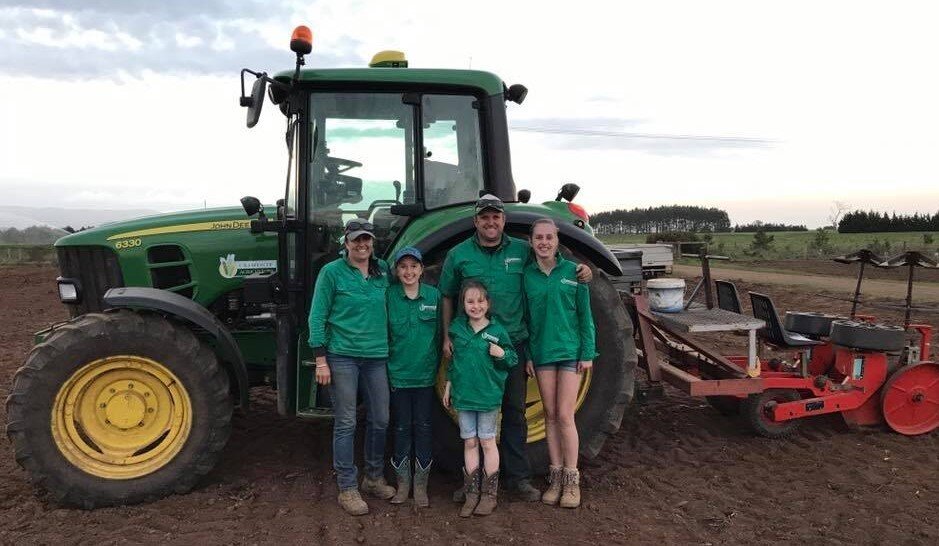

Farm operational efficiency refers to the ability of a farm to maximise output while minimising inputs, waste, and costs. For farm owners, achieving high levels of operational efficiency is crucial to sustaining their enterprises and enhancing profitability. It represents not just productivity, but also the ability to effectively manage resources, personnel, and time. In an era when farmers face increasing pressures from market fluctuations, climate challenges, and the demands of modern technology, the focus on operational efficiency has become more significant than ever.
Key Principles of Farm Operational Efficiency
To enhance farm operational efficiency, there are several fundamental principles that should be considered. Firstly, it is essential to establish clear goals and targets. Understanding what efficiency means for your unique operation lays the groundwork for improvement. Identify the key performance indicators (KPIs) you will use to measure progress, such as yield per hectare, cost per unit of output, or time taken to complete critical tasks.
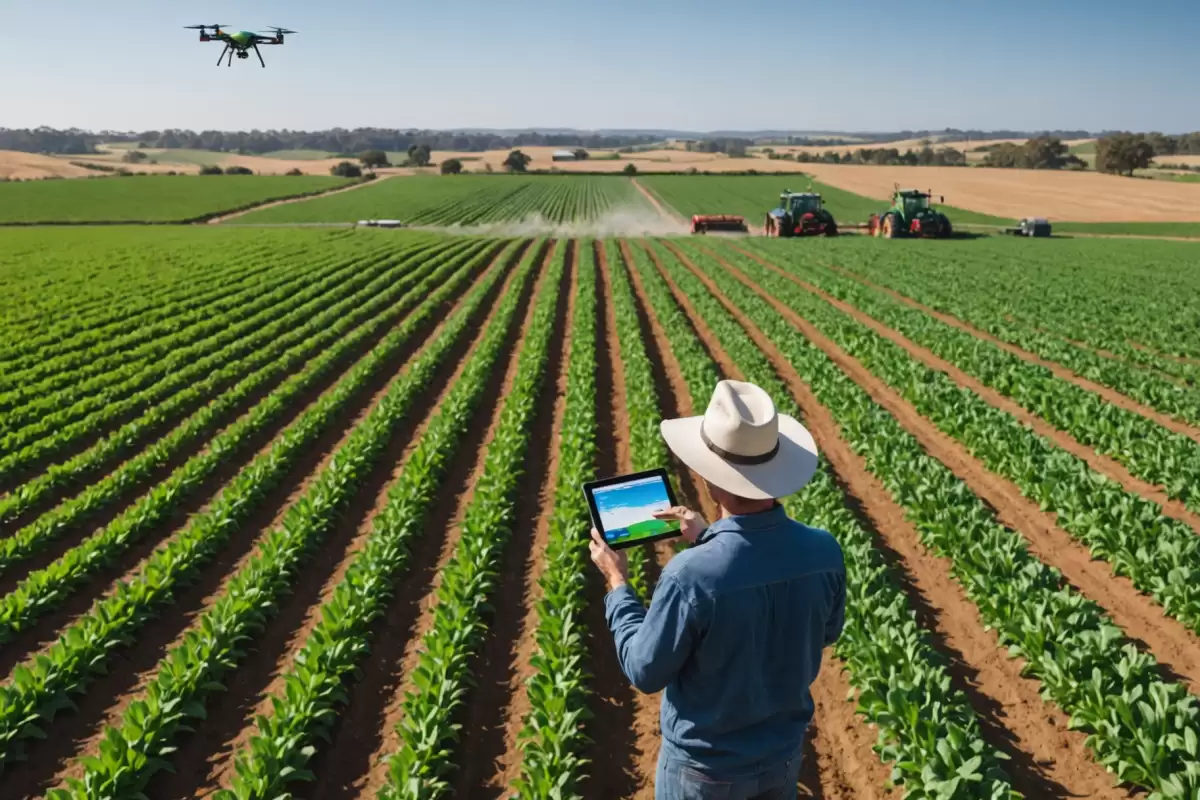
Secondly, embracing technology is vital for modern farms. Various digital tools and software, such as farm management systems, can streamline processes, automate routine tasks, and provide data analytics for informed decision-making. This reduces the mental load on farm owners and enhances overall productivity. For instance, integrating mobile farm management apps can simplify operations, establish job tracking, and improve communication among team members.
Next, maintain effective record keeping and documentation. Accurate records not only help track performance but also support compliance with regulations and improve accountability within the team. A structured approach to documentation can make it easier to identify bottlenecks and areas where improvements are needed.
Additionally, training and development are crucial components. Regularly upskilling your workforce can enhance job performance and adaptability, leading to a more engaged and efficient team. When employees understand their roles better and are empowered to take initiative, it often results in significant operational improvements.
Best Practices for Improving Operational Efficiency
Adopting best practices can greatly enhance farm operational efficiency. One such practice is implementing routine assessments of workflow and processes. Regularly reviewing how tasks are completed can highlight areas where time, resources, or labour can be saved. This could involve everything from refining planting schedules to optimising equipment usage.
Another best practice is fostering a culture of communication and collaboration within your team. Open dialogue encourages farmworkers to share insights and ideas for improvement, which can lead to streamlined operations and better problem-solving. Regular family meetings can also facilitate strategic discussions about the future of the farm, ensuring everyone is on the same page.
Moreover, consider utilising a Time-Freedom Program. This initiative helps farm owners delegate tasks effectively and plan their time better, which can free up hours for more strategic thinking. By focusing on high-priority tasks that drive business success, owners can achieve a balance between daily operations and long-term goals.
Real-Life Examples from Successful Farms
Examining real-life success stories can provide invaluable insights into effective farm operational efficiency. For instance, a well-known vineyard that adopted a comprehensive farm management system reported a 20% increase in yield while simultaneously reducing labour costs by 15%. This operation utilised data analytics to assess crop health and optimise irrigation schedules, demonstrating how technology can transform performance.
Additionally, a family-owned dairy farm implemented a robust training programme for its employees. By investing in skill development, they significantly reduced employee turnover and improved job satisfaction. The farm’s leadership found that when workers felt empowered and valued, production efficiency improved alongside morale.
These examples illustrate that operational efficiency is not merely a theoretical concept but a tangible goal. Farm owners can implement strategies tailored to their unique situations and witness measurable improvements.
Farm operational efficiency is crucial for sustainable success. By focusing on the foundational principles and best practices outlined above, farm owners can unlock significant productivity gains. To learn more about putting systems in place that enhance operational efficiency, be sure to explore our Time-Freedom Program. This program is designed to help you reclaim valuable time and focus on what truly matters – growing and sustaining your farm.
 Enable Ag
 Enable Ag
 Enable Ag
 Enable Ag


 Enable Ag

 Enable Ag