Articles related to: farm SOPs

This checklist is designed to: 

  • reduce dependency 
  • invite questions 
  • strengthen systems while training happens 

Use it as a living document — not a one-off form. 

Phase 1: Before Day One (Manager Prep) 

 Identify the core outcomes of the role (not just tasks)
 List the key systems this person will interact with
 Confirm where:
• tasks are logged
• decisions are recorded
• handovers live
 Decide which systems are:
• ready
• rough
• yet to be built
(Rough is okay — unfinished systems are expected) 

Phase 2: Week One (Orientation & Safety) 

 Explain:
• how the farm runs day-to-day
• how decisions are made
• where to ask questions
 Walk through:
• safety-critical systems
• communication norms
• escalation paths
 Introduce the idea: 

“Your questions help us improve how we work.” 

Phase 3: Weeks 1–4 (Training + System Refinement) 

 Train tasks using the system, not just verbally
 Encourage the new hire to:
• note unclear steps
• flag missing information
• suggest improvements
 Capture:
• repeated questions
• assumptions being uncovered
• exceptions to “normal” processes
 Update systems weekly (even briefly)  

Phase 4: First Review (30–45 Days) 

 Ask:
• What was unclear at first?
• What surprised you?
• What still feels fuzzy?
 Review:
• system gaps identified
• updates made
• remaining assumptions
 Decide:
• what to formalise
• what to keep flexible 

Phase 5: Ongoing 

 Treat onboarding as:
• a system-testing phase
 Use future hires to:
• refine, not reinvent
 Reinforce: 

“If it’s unclear, the system needs work — not you.” 


Download the checklist in PDF file here: Farm Onboarding Checklist.

Final Thought 

Onboarding isn’t just about teaching people how the farm works.
It’s about letting fresh eyes show you how the farm could work better.  

Want Help Turning Your Onboarding Into a System? 

Subscribe to the Enable Ag Newsletter and get access to tools, checklists, and tips like this — all designed to make farm systems easier to build, manage, and scale. 

👉 Join the newsletter 

Fewer gaps. Clearer handovers. A farm that trains people — and learns from them. 

If you found this article helpful, share it with your network to help others unlock their farming potential. Don’t forget to like and follow us on social media for more insightful tips: FacebookInstagram, and LinkedIn. Let’s empower more farmers together!

Everyone talks about documentation — but no one tells you where to start. 

You’re told to write document everything down. Processes. Policies. Succession. Safety. Operations. Financials. HR.
But when you try to do it all at once, it turns into a folder of half-finished templates and checklists no one reads. 

Here’s the fix: don’t document everything. Document the right things — in the right order. 

These are the 10 documents that protect a farm’s future. Start from the top. Work your way down. You’ll cover 90% of the risk, drama, and confusion that trips up even well-run operations. 

Emergency Contact List

Not a laminated phone list from 2013. A real, current list that includes: 

  • Local emergency services 
  • Key staff mobiles 
  • Family contacts 
  • Chemical emergency support 
  • Nearby farms or neighbours 

This gets used when things go wrong — and it should be findable in 10 seconds. 

WHS Policy (1 Page)

This isn’t a legal essay. It’s a one-pager that says: 

  • Who’s responsible for safety 
  • What the expectations are 
  • How issues are reported 

It’s the first thing a visitor or auditor looks for — and it sets the tone for everything else. 

Hazard Register

What are the real risks on your farm — and how are they managed? 

This list should cover: 

  • Electrical 
  • Machinery 
  • Chemicals 
  • Confined spaces 
  • Vehicles 
  • Remote work 

If someone new joins the team, this tells them where not to get hurt. 

Safe Work Procedures (For the 3 Riskiest Tasks)

Don’t document 50 tasks. Start with 3 that could kill or injure someone. 

Typical examples: 

  • Chemical mixing and spraying 
  • Tractor use 
  • Machinery servicing 

Add photos. Keep it simple. Update them once a year. 

This is the line between “we told them” and “we’ve got it in writing.” 

Induction Checklist

If someone starts tomorrow, could you hand them a form and say “this is what we walk through”? 

Cover: 

  • Safety basics 
  • Toilets and water 
  • PPE 
  • Hazards 
  • Reporting issues 
  • Vehicle and machinery use 

Induction isn’t about paperwork. It’s about giving someone the right start — and proving you did. 

Farm Map with Key Zones Marked

Spray zones. Chemical stores. Livestock areas. Water points. Entry/exit.
If it’s relevant to safety or operations, mark it clearly. 

Bonus: use it for visitors, contractors, and new staff. 

Chain of Responsibility Summary

Who’s in charge of: 

  • Scheduling 
  • Load limits 
  • Maintenance 
  • Driving 
  • Compliance 

This keeps managers and drivers protected — especially if you’re running trucks, trailers, or heavy vehicles. 

Without this, risk sits with whoever’s name is on the rego papers — whether they know it or not. 

Key Contact Roles (Who Does What)

Who manages: 

  • The books 
  • Staff 
  • WHS 
  • Irrigation 
  • Cropping 
  • Maintenance 
  • Compliance 

Write it down — even if it’s obvious now. Roles change. People leave. If you’re off-farm, this becomes a lifeline. 

 Succession Overview Document (Even If It’s Not Final)

This doesn’t need to be locked in. But having some notes written down — even draft ones — helps: 

  • Reduce conflict 
  • Clarify intent 
  • Start conversations early 

It’s not about final answers. It’s about giving people something to build on, not guess from. 

Access and Password List

Software logins. Bank access. Code for the gate. Safe combinations.
If something happens to you, could someone access what they need? 

Keep it: 

  • Secure 
  • Shareable with the right person 
  • Updated once a year 

No one ever thinks they’ll need this — until it’s too late. 

Start with One Document. Don’t Wait. 

You don’t need a policy manual. You don’t need a binder full of paperwork. 

But you do need a record of the things that protect people, reduce confusion, and help the farm run when you’re not there. 

Start with one document from this list.
Then do another next month.
That’s how real systems are built. 

Need Help Picking the First Document to Create? 

The Ultimate Time-Freedom Checklist helps you spot the gaps in your current setup — and shows you where small documentation fixes can create big relief. 

It’s not just about time. It’s about confidence. 

👉 Download the checklist here 

Protect the future. Reduce the stress. Build the system one step at a time. 

If you found this article helpful, share it with your network to help others unlock their farming potential. Don’t forget to like and follow us on social media for more insightful tips: FacebookInstagram, and LinkedIn. Let’s empower more farmers together!

An organisational structure is the backbone of any successful operation. It defines how tasks are divided, how roles are coordinated, and how communication flows within your farm. Without a well-thought-out structure, even the most dedicated farming teams can struggle with inefficiency, miscommunication, and burnout.

Many farms operate in a reactive mode, constantly addressing urgent issues instead of proactively managing their operations. This lack of clarity often results in wasted time, reduced productivity, and a lack of work-life balance.

But here’s the good news: A well-designed organisational structure can help. By clarifying roles, streamlining reporting lines, and adopting effective leadership models, you can create a farm operation that thrives without constant micromanagement. Imagine a system where everyone knows their responsibilities, tasks are executed seamlessly, and you finally have time to focus on growth and family.

In this blog, we’ll explore practical, proven strategies to design an organisational structure that doesn’t just run your farm but helps it grow—all while giving you more time to focus on what truly matters.

Maximise Efficiency with the 3-Report Rule

The first step in building an efficient structure is simplifying your reporting lines. Ideally, each person on your team should report to just one leader. However, there are situations where this might not be feasible. In such cases, a person should never report to more than two leaders.

Why is this important? More than two reporting relationships create confusion, inefficiency, and communication breakdowns. For example, an administrator juggling tasks for four different managers can quickly become overwhelmed, leading to errors and missed deadlines.

Strive for one direct report wherever possible, with two as the absolute maximum. Simpler reporting equals better communication and accountability.

Operational vs. Strategic Leadership

A successful farm requires two types of leadership:

  • Operational Leaders focus on executing day-to-day tasks, such as crop management, livestock care, and equipment maintenance.
  • Strategic Leaders handle the big-picture decisions, like investments, market strategies, and long-term planning.

For example, deciding whether to plant a new crop involves strategic leadership, while managing the planting schedule falls under operational leadership. Both roles are equally important but must be clearly defined to avoid overlap and inefficiency.

In this case, identify who on your team will focus on strategic decisions and who will lead operations. Ensure they coordinate seamlessly to achieve shared goals.

Roles, Responsibilities, and the Power of Clarity

One of the biggest mistakes farms make is creating their organisational chart around people instead of roles. This leads to confusion when roles change or team members leave.

Instead, start by defining roles and their responsibilities. Aim for three to ten core responsibilities per role. For instance:

  • Operations Manager: Scheduling fieldwork, overseeing inventory, managing equipment maintenance.
  • Admin Support: Maintaining records, coordinating with suppliers, managing payroll.

Focus on roles first, then assign people to those roles. This way, you’re building a structure that’s sustainable and adaptable.
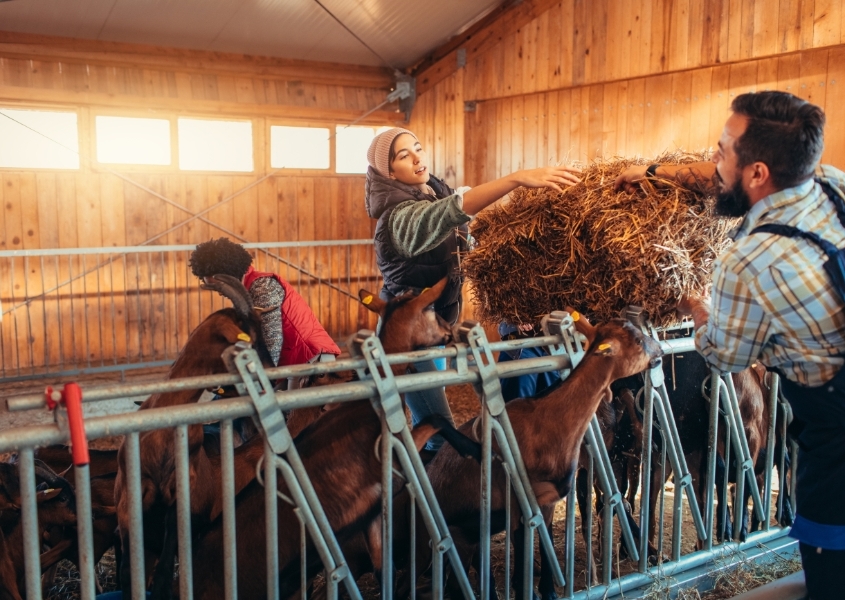
#1 Mistake Farmers Make When Organising Their Teams (And How to Avoid It)

How to Set Parameters for Each Role

Ambiguity is the enemy of efficiency. Every role on your farm should have clear parameters. This includes defining:

  • Start and End Points: When does a role’s responsibility begin and end?
  • Performance Metrics: What does success look like for this role?
  • Boundaries: What tasks fall outside the scope of this role?

For example, if you’re assigning someone the role of “Cattle Manager,” define whether they’re responsible for just feeding schedules or also health checkups and vaccinations. This clarity avoids miscommunication and ensures everyone knows their lane.

Incorporating External Stakeholders into Your Structure

Farms often rely on external advisors, such as agronomists, consultants, and financial advisors. Including them in your organisational chart clarifies who they communicate with and how their insights are integrated into your operations.

For instance, does your agronomist report to the operations leader or the strategic leader? Defining these connections helps ensure that advice is actionable and doesn’t get lost in translation.

Admin and Support Roles

Admin and support roles often wear many hats, which can lead to inefficiency. Limit their reporting to a maximum of two leaders to reduce stress and increase productivity.

Review your admin team’s responsibilities. Are they stretched too thin? Are they receiving clean and timely data records from you and your ground team so they can perform their role effectively? Simplify their tasks and reporting lines to enhance their effectiveness.

Systems and Tools: Automate to Accelerate

Once your structure is in place, integrate digital tools to automate reporting and communication. Tools like task management systems, digital calendars, and farm management software can save hours of manual work.

For example:

  • Use Smartsheet for task tracking.
  • Implement Zoom for remote team meetings.
  • Create standard operating procedures (SOPs) for repeated tasks.

By leveraging these tools and methods, you can ensure your farm operates smoothly, even during the busiest seasons. Digital automation not only saves time but also minimises errors, keeps everyone on the same page, and allows you to focus on high-level decisions.

Building a Farm Structure That Runs Without You

Creating a clear and efficient organisational structure isn’t just about saving time. It’s about creating a farm operation that’s resilient, scalable, and enjoyable to run. By focusing on roles, responsibilities, and reporting lines, you’re setting the stage for a farm that thrives with less of your direct involvement.

Remember, the ultimate goal is freedom—the freedom to focus on the big picture, spend time with your family, and enjoy the fruits of your hardwork. Ready to take the next step? Access our FREE resources and get personalised support and explore how we can help you implement these strategies on your farm. Let’s create a farm structure that works for you—not the other way around!

If you found this article helpful, share it with your network to help others unlock their farming potential. Don’t forget to like and follow us on social media for more insightful tips: FacebookInstagram, and LinkedIn. Let’s empower more farmers together!