Articles related to: farm planning

Everything’s on fire—figuratively or literally—and someone wants to talk software. 

One minute it’s asset tracking. The next, it’s WHS compliance. Then comes the accountant with questions about cash flow. You’re stuck trying to get it all under control, but nothing’s slowing down. Choosing where to begin with a farm management system feels like flipping coins while the shed’s burning down. 

So, what actually makes sense to tackle first? 

Short answer: it depends on where it hurts. The “No Wrong Door” Rule in Farm Management System

If you’ve hit breaking point, there’s probably more than one area of the business feeling messy. But you don’t have to fix everything at once. Trying to set up every feature in a farm management system from the start is a guaranteed way to burn time and frustrate the team. 

Start with a single area of pain. Think of it as choosing one pressure valve to release. 

Here’s how to figure out where to begin. 

If the Problem is Jobs: Start with People and Tasks 

You’re losing track of what’s been done. The spray records are half in someone’s notebook, half in a whiteboard photo on someone else’s phone. Staff are asking the same questions twice. You’re repeating yourself. Harvest logistics are a mess. 

Start here: Task and Job Management. 

Suggestions: 

  • Assigning clear jobs and due dates 
  • Centralising task notes 
  • Logging chemical applications properly 
  • Having a simple daily job list for the team 

This gets everyone aligned fast and clears your headspace. Look for a tool that makes job creation and tracking simple, not just for you but for whoever’s holding the phone in the paddock. 

If the Problem is Assets: Start with Your Gear 

Repairs are reactive. You’re not sure where the spare parts are. Something breaks down and the manual’s missing. You’ve bought the same filter three times because no one knew one was already in the shed. 

Start here: Asset Tracking. 

Suggestions: 

  • Logging machinery details, manuals, parts 
  • Scheduling maintenance 
  • Recording breakdowns and servicing 
  • Tagging key tools and equipment locations 

This area gives fast wins by cutting waste and avoiding downtime. A good farm management system here means fewer headaches on Monday mornings and better handover when multiple people use the same gear. 

If the Problem is Compliance: Start with WHS and Record Keeping 

An audit’s coming. Someone’s had a near-miss. You’re not confident about your chemical records, training logs, or inductions. Things have been done properly—probably—but you’re not sure you could prove it. 

Start here: Safety and Compliance. 

Suggestions: 

  • WHS policies, procedures, and acknowledgements 
  • Chemical usage and storage records 
  • Safety checklists 
  • Training and induction tracking 

It’s not about ticking boxes. It’s about protecting people and the business. A strong compliance system helps you sleep at night and avoid drama if something goes wrong. 

If the Problem is Money: Start with Finance 

You don’t know what’s profitable and what’s just costing you. Your accountant is asking for figures you can’t pull together. There’s cash going out, and not enough clarity on what’s coming back in. 

Start here: Financial Tracking and Cost Analysis. 

Suggestions: 

  • Linking activities to costs (e.g. per block or mob) 
  • Tracking input spending 
  • Labour cost tracking by job 
  • Building a basic P&L by operation 

This is where most farmers want to get to—but it often has to come later. Unless jobs, assets, and compliance are being tracked properly, your financial data will be messy. If you’re in a position to start here, great. Just don’t try to run full cost analysis if the foundations are chaos. 
What Comes Next to Farm Management System?

Once you’ve made progress in one area, the others get easier. Task management feeds into compliance records. Asset tracking ties into job planning. Better financial clarity makes investment decisions simpler. 

Start small, move fast, and don’t get distracted by features you don’t need yet. Think less about software setup, more about solving problems. 

Common Traps to Avoid in your Farm Management System

  • Trying to start everywhere at once
    You’ll burn out and end up worse off. 
  • Waiting for the “perfect time”
    It doesn’t exist. Start with one pain point and fix it properly. 
  • Overcomplicating the setup
    The goal isn’t data. The goal is clarity and better decisions. 
  • Buying before mapping your pain
    Don’t choose a system based on shiny features. Choose one that helps with your biggest headache today. 

Don’t try to fix everything at once or wait for the perfect time. Start with one clear pain point, keep things simple, and choose tools that solve real problems—not shiny features.

Not Sure Where to Begin? 

We’ve built a free checklist to help you figure out which area to focus on first. You can also join our newsletter for practical tools, real farm stories, and no-fluff advice on running a better operation. 

Take 5 minutes now. Save 50 later. 

If you found this article helpful, share it with your network to help others unlock their farming potential. Don’t forget to like and follow us on social media for more insightful tips: FacebookInstagram, and LinkedIn. Let’s empower more farmers together!

Why two farmers with the same land, same hours, and same work can live entirely different lives.

Two farmers can live the same life on paper and a completely different life in reality. Same land. Same seasons. Same hours. Same challenges.

And yet, one ends the year exhausted and overwhelmed… while the other ends it calm, organised, and in control.

The difference isn’t luck, intelligence, or personality.
It’s the psychology of systems.

Hard work builds farms.
Systems build lives.

To understand this, let me tell you about two farmers.

Farmer One: The Good Operator

Farmer One grew up doing things the way his parents did. He knows his land like his own skin. Every gate that sticks, every trough that leaks, every cow with attitude — it’s all in his head. His days are always full, and that busyness feels necessary. If he’s not flat out, something must be wrong.

His team respects him, but they rely on him for everything — and he wears that like a badge of honour.

When a worker forgets a task, he thinks: “It’s quicker if I just do it myself.”
When someone suggests a new idea: “We’ve always managed fine.”

He’s not lazy. He’s not careless. He cares — deeply. But over time, the farm becomes a mirror of his mind: crowded, reactive, overloaded, always in motion.

Every problem feels urgent. Every breakdown feels personal.
And when systems are mentioned? “I don’t need a fancy system. I just need people to do their job.”

But deep down, he knows the truth.
He’s tired. And the farm can’t run unless he’s there.

A farm run on memory is a farm held together by strain.
This isn’t about skill. It’s about belief.

He believes systems are for big business, not for people like him.
He believes his memory can carry the load.
He believes chaos is normal.
And beliefs shape behaviour long before systems ever do.

Farmer Two: The Quiet Builder

Farmer Two isn’t smarter. He isn’t luckier. He doesn’t have fewer challenges. In fact, for years, he worked just like Farmer One — long hours, everything in his head, fixing problems as they showed up… and quietly proud the farm “needed” him.

Then came a moment of truth — the kind every farmer knows.

It was calving season. He hadn’t eaten all day. A worker misunderstood him. The animals were stressed. He was stressed. And he realised: “I’m repeating the same problems every season.”

That’s when he saw it clearly.
The farm wasn’t the problem.
The lack of systems was.

Not technology. Not dashboards. Just clarity.

So he started small.
One checklist in the dairy.
One weekly planning rhythm.
One paddock treatment sheet.
One short handover chat instead of assuming people understood.

At first, it felt slow — awkward, even. Like learning to write with his non-dominant hand.

Most farmers think systems restrict them.
The truth is, systems remove the weight that’s been restricting them for years.

Then something surprising happened.

The team stopped asking the same questions.
Mistakes dropped.
Jobs flowed.
He stopped carrying the mental burden of remembering everything.

Systems didn’t make him rigid — they made him calm.

He wasn’t less busy — just busy with purpose.
He wasn’t less involved — just involved in the right things.
He wasn’t less important — he was finally leading, not just operating.

He created time not because the farm needed less of him,
but because the farm finally understood him.

Two Farmers. One Difference.

These two farmers live in the same economy.
They face the same weather.
They work the same hours.
They deal with the same stress.

The difference?

Farmer One believes systems are extra work.
Farmer Two believes systems replace work.

Farmer One trusts his memory.
Farmer Two trusts his process.

Farmer One thinks calm means he’s missing something.
Farmer Two sees calm as a sign the farm is maturing.

Farmer One lives inside the farm.
Farmer Two lives above it.

One is consumed by the noise.
The other directs the rhythm.

The Psychology Behind It

The psychology of systems is simple, but rarely talked about.

  • People don’t resist systems because they’re complicated.
    They resist them because systems expose how much they’ve been carrying alone.
  • Systems feel confronting because they force clarity.
    And clarity removes excuses.
  • Chaos is seductive — it feels like movement.
    But structure creates actual progress.
  • Systems aren’t about writing things down.
    They’re about letting go.

Not of the farm.
Not of responsibility.
But of the belief that everything depends on you.

Final Reflection

Farmer One isn’t wrong. Farmer Two isn’t better.
They’re simply walking different psychological paths.

One holds the farm together.
The other builds it to stand without him.

And the truth is — both paths are available to every farmer.
But only one leads to calmer seasons, stronger teams, time-freedom, and a business that doesn’t burn you out.

Systems won’t make you perfect.
They won’t stop breakdowns or bring rain.

But they do something more powerful:
They protect your mind.
They steady your team.
They turn chaos into clarity.
And they give your future space to grow.

Farmer One will keep working hard.
Farmer Two will keep building smart.

Both care deeply.
But only one will look back in ten years and say:
“I built a business that didn’t cost me my life.”

Every season shapes your farm.
But the systems you build shape your life.
And in the end, that’s the harvest that matters most.

A Quiet Word to Farmers Who Want to Change Their Story

If you saw yourself in Farmer One — that’s normal. Most farmers start there.
You’re not behind. You’re not failing.
You’ve just been carrying more than anyone should.

The shift starts small.
One habit.
One routine.
One system that frees five minutes… then ten… then hours.

And if, one day, you decide you want a guide on that journey — someone who walks at your pace, in your way — I’m here for that.

If you found this article helpful, share it with your network to help others unlock their farming potential. Don’t forget to like and follow us on social media for more insightful tips: FacebookInstagram, and LinkedIn. Let’s empower more farmers together!

Are you familiar about a farm software? Most farmers I meet don’t think of themselves as “tech people.” They see software as something office folks use — not a tool for paddocks, livestock, or tractors. But here’s the truth: when chosen well, software is more than just technology. It’s a silent coach. It brings with it proven ways to run things better, cleaner, and faster — without adding more work.

Dan Martell, author of Buy Back Your Time, put it perfectly:

“When you invest in software for your business, you’re not just buying code — you’re buying best practices baked into it.”

That insight applies beautifully to farms. Because when you use the right tool, you don’t just automate a job — you learn how professionals run that area of their business.

Why a Good Farm Software Teaches You Good Habits

Think about it. A well-designed program doesn’t just do the work; it shows you how the work should flow.

  1. A task management app helps you delegate clearly and prevent double handling.
  2. A maintenance tracker teaches you to log machinery checks before they become breakdowns.
  3. A CRM tool for livestock sales makes follow-ups systematic instead of last-minute.

Every good system quietly builds better habits. And when you commit to using it properly — not half-heartedly — it becomes your farm’s best business mentor.

But There’s a Catch: You Have to Practice Using the Farm Software

Installing software doesn’t create time overnight.

It’s like putting a new header in the shed — it won’t harvest for you unless you learn to drive it well. Every time you adopt a tool, you’re also adopting a set of standards:

  1. How data is entered
  2. How records are shared
  3. How often tasks are reviewed

At first, it might feel slower. But with practice, it shifts chaos into rhythm. Within a few weeks, you’ll find fewer “where’s that file?” moments and more confident decision-making.

When There’s No Perfect App — Create Your Own

Sometimes there’s no ready-made app for your unique process. That’s where Smartsheet comes in — a simple, Excel-based tool that’s powerful enough to systemise just about anything on your farm.

Whether it’s tracking paddock treatments, training records, or machinery jobs, Smartsheet lets you build systems that fit your workflow instead of forcing you into someone else’s.

And the best part? It’s accessible and easy to learn — even for those who don’t love tech.

How We Help at Enable Ag

At Enable Ag, we help you close the gap between technology and time freedom in three key ways:

  1. Custom Smartsheet Templates: Purpose-built for Australian and New Zealand farms, these templates turn complex tasks — from team management to compliance tracking — into simple, repeatable systems.
  2. Practical Courses for Everyday Apps: We’ve designed short, easy-to-follow courses that boost productivity on the applications farmers use most. You name it, we likely have a course for it.
  3. Courses for Modern Tools from Other Industries: We also train you on the most valuable apps being successfully adapted into agriculture — the ones that bring automation and speed without complexity.
  4. Coaching to Increase Digital Literacy: Through our Farmers’ Time-Freedom Program, we coach you and your team to confidently use these tools and weave them into your daily workflow — so the tech serves you, not the other way around.

These tools and trainings don’t just save time — they teach structure, boost confidence, and help your team move together with clarity and consistency.

If you want to explore how we can tailor these systems to your farm, book a quick call here.

Final Thought

When you invest in software — you’re really investing in structure. And structure is what creates time. Good systems don’t replace people; they empower them. They make your farm easier to run, easier to hand over, and easier to enjoy.

Because in the end, technology isn’t about screens and spreadsheets —it’s about giving you the freedom to live the life you built this farm for.

If you found this article helpful, share it with your network to help others unlock their farming potential. Don’t forget to like and follow us on social media for more insightful tips: FacebookInstagram, and LinkedIn. Let’s empower more farmers together!

How Does Farm Workplace Culture Play a Critical Role in Preventing Burnout 1

In the rhythms of farm life, where the boundaries between hard work and overwork often blur, maintaining wellness is both a personal and collective challenge. The culture of our farms—how we manage our days, support one another, and share the load—plays a crucial role in nurturing well-being or, on the contrary, sowing seeds of burnout. This exploration examines the essence of farm culture and its impact on our daily lives, offering actionable insights from an Agriculture Consultant for fostering an environment where well-being and productivity flourish side by side.

The Soil of Well-being: Farm Culture

On a farm, culture is woven into the fabric of daily tasks, seasonal cycles, and community interactions. A culture that inadvertently glorifies endless work without pause can lead to burnout, diminishing the joy and satisfaction derived from farming. Conversely, a culture that encourages balance, support, and mutual appreciation can uplift spirits and strengthen resilience, significantly reducing the risk of burnout.

Spotting the Weeds: Signs of an Unhealthy Farm Culture

An unhealthy farm culture can manifest in various ways, including:

    • Unyielding expectations and continuous overwork
    • A lack of appreciation for the hard work and dedication
    • Weak communication and support systems
    • Limited opportunities for learning and growth
    • An overarching sense of negativity or unease

Sowing Seeds for a Healthier Farm Life

Healthy Team Culture, Healthier Farm Life

1. Balancing the Seasons:

Embrace the natural ebb and flow of farm work, promoting a balance that respects both busy seasons and times of rest, ensuring that neither dominates your life.

2. Cultivating a Supportive Field:

Foster an environment where everyone feels valued and supported. This might involve setting up informal support networks, sharing knowledge and resources, or simply making time to listen and offer a word of encouragement.

3. Harvesting Gratitude:

Regularly acknowledge and celebrate the hard work and achievements of all who contribute to the farm’s success. This recognition can be as simple as a shared meal at the end of a long day or a moment taken to express thanks.

4. Tilling New Ground:

Provide opportunities for everyone involved in the farm to explore new ideas, learn new skills, or take on different roles. This diversity can invigorate your farm with fresh energy and perspectives.

5. Conserving Energy:

Encourage everyone to take regular breaks and truly disconnect during downtime, understanding that rest is not idleness but a vital aspect of sustainable farming.

Leadership’s Role in Cultivating Wellness

Leadership on a farm—whether it’s running a family operation or managing a team—sets the tone for the farm’s culture. Leading by example, showing empathy, and actively engaging in strategies to prevent burnout are crucial. By valuing well-being as much as yield, farm leaders can nurture a culture that supports both personal and professional growth.

The link between farm culture and well-being is undeniable. By actively shaping our farm’s culture to promote balance, support, and appreciation, we can create an environment where everyone thrives. Implementing strategies that prioritise well-being can transform the farm into a source of strength and sustainability, leading to not just a productive farm, but a fulfilling life.

Is it time to cultivate a change in your farm life? Start by assessing your farm’s culture and consider the strategies outlined here. Download our FREE Farmers’ Time-Freedom Checklist to kickstart your journey. A small shift in culture can lead to significant improvements in well-being for you and those you work with. Let’s plant the seeds for a healthier, more vibrant farm life today.

If you found this article helpful, share it with your network to help others unlock their farming potential. Don’t forget to like and follow us on social media for more insightful tips: Facebook, Instagram, and LinkedIn. Let’s empower more farmers together!
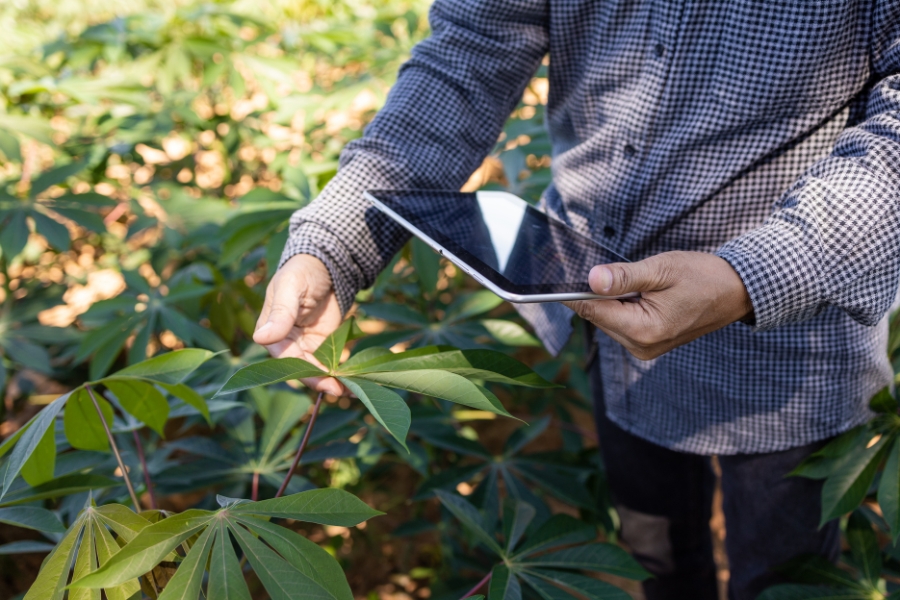
As a farmer, you pour your heart and soul into your family farm, striving for success and a sustainable future. But let’s face it – managing all the aspects of your operations can be overwhelming and time-consuming. That’s where an agriculture consultant comes in. In this article, we’ll explore the role of an agriculture consultant, the benefits they bring to your farm, and how Enable Ag, as a leading consultancy, specialises in creating time-freedom for farmers across Australia.

Understanding the Role of an Agriculture Consultant

An agriculture consultant is a trusted advisor with specialised knowledge and experience in various aspects of farming. There are many different types of consultants, such as agronomists, veterinarians, soil consultants, AgTech consultants and more. The role of these advisors is to provide tailored guidance and solutions to optimise your farm’s operations and achieve your goals. At Enable Ag, we specialise in helping you leverage your time, team and systems better to create more time-freedom. Having worked with dozens of farmers around Australia, we understand the unique challenges you face and are dedicated to helping you restore balance – on and off the farm.

The Benefits of Working with an Agriculture Consultant

Farmers often find themselves juggling multiple responsibilities, from crop management and livestock care to financial planning and regulatory compliance. With a specialised agriculture consultant by your side, you gain access to their expertise and experience, saving you time, reducing stress, and improving overall efficiency. Enable Ag’s focus on creating time-freedom means you’ll have more opportunities to do what you love while ensuring your farm thrives.

Agriculture Consultant Australia - Enable Ag Time-Freedom Coach

A specialised agriculture consultant can help you achieve your goals faster while freeing up time, so you can do more of what matters most.

Areas of Support and Services Offered by Enable Ag

Enable Ag specialises in transforming the operations of family farms, offering a unique blend of support and services designed to elevate both farm efficiency and personal well-being. Through our Time-Freedom Program, we cater to the specific needs of each farm, emphasising the development of strategic systems, data management, and succession planning. Our approach is holistic, extending beyond mere agricultural consultancy to include mentorship in modern technologies, team empowerment, and embedding core values for a thriving farm culture. By partnering with Enable Ag, family farmers gain not just control over their operations but also valuable time back in their lives, enabling them to pursue a more balanced lifestyle while ensuring their farm’s success and sustainability for generations to come.

The Path to Time-Freedom: Taking the Next Step

If you see a need for optimising your farm’s operations and reclaiming your time, Enable Ag is here to guide you on your journey to more time-freedom. Start by downloading our free “Farmers’ Ultimate Freedom Checklist,” a valuable resource that helps you assess your current practices and identify areas for improvement.

If you would like to have a chat with us to see how we can help, schedule a complimentary Discovery Call with our Time-Freedom Coach. This personalised session allows us to understand your specific needs and goals, and together, we can create a customised plan for your family farm’s success.