
Articles related to: farm legacy planning

Good years. Tough years. Droughts. Market shifts. You’ve weathered them all. 

But when it comes to the farm’s future, there’s a bigger question:
Are we building something that lasts? 

Profit matters.
But it’s not the only signal of health. 

Some farms turn big profits—then collapse under stress. Others run lean but stay steady because their systems, people, and leadership are solid. 

Here’s a better lens for long-term success: The Legacy Scorecard through legacy planning.

Eight indicators that tell you if the farm is built to last—not just to survive.

(1) Can the Farm Run for 7 Days Without You?

This is your clearest signal of team maturity and system resilience. 

If you’re still: 

  • Assigning jobs manually 
  • Fixing bottlenecks yourself 
  • Making all the calls when something changes 

…then your systems don’t support freedom or succession. 

A farm that depends entirely on one person isn’t future-ready. 

 (2) Is There Role Clarity Across the Team?

Every person on the farm should know: 

  • What they own 
  • What they can decide 
  • What they report on 
  • Who backs them up 

Without this, you get confusion, double-handling, and burnout.
With it, you get accountability, confidence, and calm. 

 (3) Do You Have a System to Capture Jobs and Plans—Not Just a Person?

The spray list can’t live in someone’s head.
The roster can’t sit on the whiteboard only one person updates.
The “what’s next” list can’t be in a notebook no one else sees. 

Jobs, timing, and status need to be: 

  • Visible 
  • Shareable 
  • Trackable 

If someone else can’t pick up the week and run it, you’re not ready to step back. 

(4) Are Records Being Captured Automatically, Not As a Chore? 

Record keeping isn’t just for audits. It’s how you prove: 

  • Jobs were done 
  • People were safe 
  • Products were applied correctly 
  • The business is traceable and trustworthy 

Smart farms don’t add admin—they build it into the job close-out: 

  • Checklist ticked 
  • Photo uploaded 
  • Time + person logged 

No chasing. No rewriting. Just reliable data from the work already done. 

 (5) Is There a Regular Rhythm of Review and Reset?

Healthy farms have short, sharp routines to stay aligned: 

  • Weekly check-in: what’s coming, what’s stuck 
  • Monthly review: wins, risks, adjustments 
  • Seasonal reset: lessons, goals, strategy shifts 

No meetings? You drift.
Too many? You stall. 

The rhythm matters more than the format. It’s how the team stays sharp, not scattered. 

(6) Can Someone Outside the Farm Understand Your Structure in One Page? 

You don’t need a 30-page manual.
But you do need one clear page that shows: 

  • Who does what 
  • Who decides what 
  • How to get work done 
  • How to step in during leave or succession 

If the only person who can explain the farm is you—it’s not built to continue. 

(7) Have You Named the Top 3 Risks and How You’re Managing Them? 

Most farms know their risks. Few write them down. Even fewer assign ownership. 

It could be: 

  • People (burnout, turnover, key-person dependency) 
  • Operational (machinery downtime, paddock access) 
  • Strategic (succession delays, no capital plan) 

What matters is: 

  • Naming them 
  • Assigning responsibility 
  • Reviewing status every quarter 

Unspoken risk becomes future pain. 

(8) Is the Next Generation Being Treated Like Owners-in-Training—Not Just Workers? 

Tasks keep the wheels turning.
Ownership mindset keeps the business growing. 

Ask: 

  • Are they being shown the numbers? 
  • Are they part of planning—not just execution? 
  • Are they being developed to lead? 

You’re not just handing over land. You’re handing over a legacy. 
What Legacy Planning Really Measures 

It doesn’t measure how busy you are.
It measures whether the business side of the farm is as strong as the operational side. 

Because profit doesn’t equal resilience.
And busyness doesn’t equal readiness. 

These 8 indicators give you a clearer view: 

  • Are we relying on memory or system? 
  • Are we a team or a hub-and-spoke model? 
  • Are we building something stable, scalable, and survivable? 

Where to Start Your Legacy Planning? 

The Ultimate Time-Freedom Checklist helps you quickly assess the systems, habits, and gaps that hold your farm back from real continuity. 

It’s fast, practical, and built for busy farm owners who want more control—not more admin. 

👉 Download the checklist here 

Your profit matters. But legacy planning is built on structure. 

If you found this article helpful, share it with your network to help others unlock their farming potential. Don’t forget to like and follow us on social media for more insightful tips: FacebookInstagram, and LinkedIn. Let’s empower more farmers together!

Have you ever taken a moment to reflect on what truly unites your farm team? Building strong connections within this team is both an art and a science, especially in the unique setting of agriculture. Achieving farm team success requires the harmony of individual contributions, which is as fundamental as the soil itself. Understanding the distinct needs and preferences of each team member can turn a good season into an outstanding one.

You might have tried various approaches, like incentives or salary bumps, yet found yourself facing the same team management hurdles. This raises an important question: What do your team members truly seek?

Recognising the deep-seated desires of others is challenging. Yet, the work of Dr. Gary Chapman, particularly his concept of the “5 Love Languages,” has shed light on this path for many years. Originally developed to deepen personal relationships, this framework proves equally powerful in cultivating strong, united farm teams. By adopting these principles, farm leaders can not only draw in and keep the right people but also make every member feel valued, understood, and integral to the farm’s success.


Love Language #1:

Words of Affirmation: Building Confidence with Care

5 Love Languages for Farm Teams -Words of Affirmation

Positive reinforcement through words of affirmation can significantly impact an individual’s self-esteem and productivity. The time-tested sandwich method—commending a job well done along with key points, providing constructive feedback, then ending with another positive note—can be an effective strategy. This approach not only addresses areas for improvement but does so in a manner that maintains the individual’s morale. Genuine appreciation, when expressed genuinely, can motivate team members to strive for excellence and feel valued for their contributions.

Love Language #2:

Quality Time: The Essence of Connecting with your Farm Team

5 Love Languages for Farm Teams -Quality Time

Photo Source: agweek.com

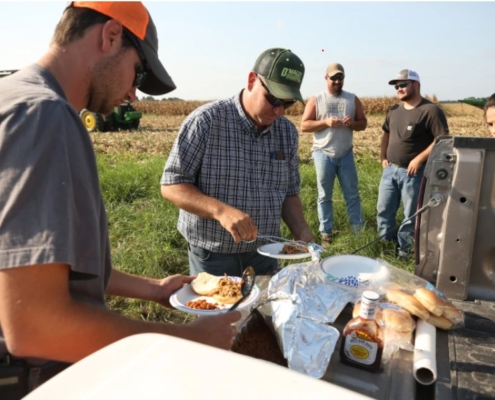
For many, quality time stands as a testament to genuine care and attention. In the fast-paced environment of a farm, taking the time to engage with team members individually can make a significant difference. Whether it’s a one-on-one during a tractor ride or a team lunch, these moments are opportunities to connect beyond work tasks. Discussing not just work but personal interests and concerns fosters a human-to-human connection that can enhance job satisfaction and commitment. Remember, it’s not always about the work; it’s about showing that you value them as individuals.

Love Language #3:

Receiving Gifts: Understanding the Limits of Monetary Incentives


5 Love Languages for Farm Teams - Receiving Gifts

Recognising the limitations of monetary compensation as a motivator is crucial, despite its importance. Relying solely on financial rewards may initially boost performance, yet their impact tends to plateau or even diminish over time. This underscores the importance of addressing the deeper needs and love languages of your team members. True motivation and satisfaction extend beyond financial incentives, deeply rooted in recognition, personal growth, and a sense of belonging. Thoughtful gestures—like customising work apparel with the farm’s logo, providing gift cards from local suppliers, or granting a day off during slower seasons—effectively transcends the value of financial compensation, showcasing a commitment to the multifaceted aspects of team motivation.

Love Language #4:

Acts of Service: Demonstrating Care Beyond Words

5 Love Languages for Farm Teams - Acts of Service

Acts of service, such as jumping in to help with tasks during peak seasons, taking the time to renovate a team member’s house on your farm or improving workplace amenities, speak volumes about the value and respect a farm leader has for their team. These gestures show a commitment to not just the business’s success but to the well-being and satisfaction of the team. When leaders go out of their way to enhance their team’s quality of life, loyalty and motivation often follow.

Love Language #5:

Physical Touch: The Power of a Personal Touch

5 Love Languages for Farm Teams - Physical Touch

 In a good work environment, appropriate physical gestures, such as a handshake, a pat on the back, or a simple nod of appreciation—combined with engaging conversation and intentional eye contact, can reinforce positive feedback and acknowledgment. These gestures, when used judiciously and respectfully, can strengthen the personal connection and appreciation between farm managers and their team members. It’s a reminder of the personal touch in every achievement and acknowledgment.

Incorporating the five love languages into team management practices offers a multifaceted approach to leadership in the agricultural sector. By understanding and applying these principles, farm leaders can create a more engaging, supportive, and productive work environment. This approach not only benefits the individual team members but also contributes to the overall success and sustainability of the farm. Embracing these languages can transform routine interactions into opportunities for meaningful engagement, ultimately fostering a culture of appreciation, respect, and mutual growth.

Dive deeper into the ‘5 Love Languages‘ and explore additional, practical examples to seamlessly integrate them into your farm management practices. Uncover your own primary love language and gain insights on how to leverage this understanding to foster a stronger, more cohesive team. Download our guide to ‘5 Love Languages for Farm Teams‘ now and start transforming your farm’s work environment today.

If you found this article helpful, share it with your network to help others unlock their farming potential. Don’t forget to like and follow us on social media for more insightful tips: Facebook, Instagram, and LinkedIn. Let’s empower more farmers together!

As a farm owner or manager, you wear many hats, juggling the demands of daily operations with the long-term vision for your farm. It’s a role that requires not just knowledge of agriculture but also strong leadership skills to guide your team towards success. But let’s be honest, the journey to becoming an effective leader isn’t always straightforward. It’s filled with challenges that test your resilience, adaptability, and determination. This guide is here to help you navigate that journey, offering practical advice and simple strategies to enhance your leadership skills. These aren’t just tips; they’re the secrets behind the sustained growth of the most successful farm owners. By focusing on personal growth and leveraging business coaching for farmers, you can unlock new levels of confidence and capability, leading your farm to thrive in today’s competitive and ever-changing agricultural landscape.

Secrets of Successful Farm Owners for Sustained Growth

1. Read Widely (or Listen):

Embrace the wealth of knowledge available in books, eBooks, or audiobooks on leadership, management, and agricultural trends. If sitting down with a book isn’t your style, audiobooks are a fantastic alternative, allowing you to learn on the go. Expanding your understanding in these areas can inspire new approaches to the challenges you face, providing fresh perspectives that are essential for growth and innovation on your farm. Successful farm owners often attribute their growth to continuous learning.

2. Tune into Podcasts:

Podcasts offer an accessible way to absorb insights and advice from leaders in agriculture and beyond. Whether you’re working in the barn or driving to shops in the town, listening to episodes can motivate you and provide practical solutions for improving your leadership and farm management practices.

3. Find a Mentor:

Connecting with a mentor or engaging with a leadership coach who has a background in agriculture can offer you personalised advice and support. This one-on-one guidance is invaluable for navigating the unique challenges of the farming industry. Additionally, consider joining peer mentoring groups to share experiences and learn from fellow farm owners. Successful farm owners often highlight the importance of mentorship in their journey.

4. Join Workshops and Webinars:

Participating in workshops, seminars, and webinars focused on leadership and farm management can broaden your skill set and introduce you to a community of like-minded individuals. These opportunities for learning and networking can be incredibly beneficial, whether attended in person or accessed online for convenience. Attending such events to stay ahead in the industry.

5. Reflect and Set Goals:

Regular self-reflection on your leadership style, strengths, and areas for improvement is crucial. By setting specific, achievable goals for both your personal development and the progress of your farm, you can maintain a clear direction and measure your growth over time.

As a farm owner or manager, especially with a team depending on you, leadership is a journey of continual learning and growth. Committing to enhance your leadership skills can lead your farm to success, ensuring its sustainability and prosperity. This guide is your springboard, with simple steps to start strengthening your leadership today.

Take that first small step in your daily routine—it could be anything you believe will benefit you and your farm. Even small changes when repeated can lead to significant achievements. We know the farming life is full of highs and lows, but you’re not alone in this. A mentor who truly understands farming can offer the tailored advice you need, guiding you through challenges. It’s about finding a partner who knows the land and can provide the support you need to succeed.

Why not schedule a free Discovery Call with one of our experienced Farmer Coaches today? Learn the strategies that successful farm owners use to thrive.

If you found this article helpful, share it with your network to help others unlock their farming potential. Don’t forget to like and follow us on social media for more insightful tips: Facebook, Instagram, and LinkedIn. Let’s empower more farmers together!

In the ever-demanding world of agriculture, where the lines between dawn and dusk often blur, maintaining a healthy work-life balance in farming can seem unattainable for many farmers. The relentless cycle of planting, tending, and harvesting, coupled with the round-the-clock care of animals, is compounded by the unpredictable whims of nature and market fluctuations. Therefore, these factors can lead to long hours in the field or home office, leaving little time for personal life, family, and rest. This imbalance doesn’t just affect your personal well-being; it also impacts the productivity and sustainability of your farming practice.

Moreover, the primary challenges that you might be facing in achieving work-life balance in farming include unpredictable weather patterns disrupting work schedules, the pressure to meet market demands, the physical toll of manual labor, and the isolation that comes with rural living. As a result, these factors can lead to stress, burnout, and a sense of being perpetually overwhelmed, making it difficult for you to find time for yourself and your family.

To help you combat these challenges, here are set of simple, directly actionable strategies that require minimal resources or time to implement:

1. Daily “Silent Start” Routine:

Start each day with a 15-minute “silent start.” Before your day’s work begins, spend this time in silence, meditating, practicing deep breathing, walking without your mobile or simply enjoying a cup of coffee in peace. Indeed, this practice can center your thoughts and prepare you mentally and emotionally for the day ahead. Implementing this routine can be a step towards better work-life balance in farming.

2. Weekly Family Farm Tours:

Dedicate an hour each week to lead a family farm tour, showcasing what you’ve been working on, explaining the farming processes, and discussing the plants and animals. This not only educates your family but also creates a shared experience that enriches family bonds without the pressure of work tasks. By involving your family in your daily routine, you foster a sense of understanding and support.

3. Monthly Local Farmer Meetups:

Organise or participate in a monthly meetup with local farmers. This could be a casual coffee meet-up, a roundtable discussion, or a problem-solving session. Additionally, the goal is to share experiences, offer advice, and discuss challenges and successes in a supportive environment. These gatherings can provide much-needed social interaction and a break from the routine, as well as opportunities to learn from others who face similar challenges.

4. Quarterly “Farm-Free” Weekends:

Plan and commit to spending one weekend every quarter completely away from farm work. This could involve a short family trip, a staycation, or engaging in a local event. The key is to ensure these weekends are marked in advance and work is adjusted accordingly to make them possible.

5. Annual “Non-Farm” Goal Setting:

Each year, set specific goals unrelated to farming. These could be related to personal health (e.g., running a half marathon), learning a new skill or hobby (e.g., photography, cooking classes), or personal development (e.g., reading 12 books a year). Make these goals visible and track progress to ensure they receive attention throughout the year.

6. Implement a “Work Shutdown” Ritual:

Create an end-of-day ritual to formally mark the end of farm work. This could involve cleaning and storing tools in a specific way, taking a final walk around the farm, or simply closing the farm office door. This ritual helps you mentally transition from work to personal time, reinforcing the importance of separation for work-life balance. By establishing a clear boundary between work and personal time, you can better manage stress and maintain a healthier lifestyle. This practice is crucial for work-life balance in farming.

Achieving harmony between work and life in agriculture demands deliberate action, thoughtful planning, and openness to change and seeking support. Therefore, by embracing these strategies, you can nurture not only your crops and livestock but also a rich, balanced life.

Are you ready to plant the seeds of balance in your life and harvest the fruits of well-being and productivity? Enable Ag is here to support your journey toward a healthier work-life equilibrium. Download our free ‘Farmers’ Ultimate Freedom Checklist’  to kickstart your quest for work-life harmony, we can cultivate a lifestyle that thrives.

If you found this article helpful, share it with your network to help others unlock their farming potential. Don’t forget to like and follow us on social media for more insightful tips: Facebook, Instagram, and LinkedIn. Let’s empower more farmers together!

In the vast landscapes of farming, where the rhythm of nature sets the pace, there’s an evolving need to view your farm not just as land but as a business venture. As Australian farmers, you face unique challenges – market fluctuations, sustainability concerns, financial intricacies, and the timeless juggling act of farm and family. This is where Enable Ag steps in with a guiding hand, offering you a way to harmonise your farming passion with proven business strategies. Welcome to the world of business coaching for farmers – a path to cultivate your family farm’s true potential.

Understanding the Role of Business Coaching for Farmers

Business coaching isn’t about replacing your farming wisdom; it’s about enhancing it. Imagine being equipped with insights and strategies that empower you to make informed decisions, navigate market dynamics, and optimise your farm’s operations. At Enable Ag, we believe that by cultivating a business-oriented mindset, you can sow the seeds of sustainability and reap the fruits of profitability.

The Unique Challenges of Farming as a Business

We understand the intricate dance of factors that shape your farm’s journey. From financial intricacies to the delicate balance of nurturing the land and nurturing your family, each step comes with its own set of challenges. Our business coaching is tailored to address these challenges head-on. Whether it’s managing cash flow, mitigating risks, or strategising for a prosperous future, our expertise meets your farm’s distinct needs.

How Enable Ag’s Business Coaching Works

Enable Ag’s approach to business coaching is as unique as your farm. Our Time-Freedom Coach collaborates closely with you, delving into the heart of your operation. We analyse your strengths, challenges, and goals to craft a strategy that aligns with your vision. This isn’t a one-size-fits-all solution – it’s a partnership crafted to yield tangible, personalised results.

Benefits of Business Coaching for Farmers

Picture a future where your farm thrives as both a passion and a business. With Enable Ag’s coaching, that future becomes reality. Our Time-Freedom Program focuses on developing the mindset to free up your time, streamline operations to increase productivity, and reduce stress to restore balance in your life, both on and off the paddock. It’s not just about today; it’s about creating a legacy of farming excellence that spans generations.

Leveraging Systems and Innovation

In today’s world, innovation is the heartbeat of progress. With the right systems as our ally, we infuse data analytics, automation, and modern tools into our coaching process. These advancements aren’t meant to replace your hands-on approach but to amplify your impact. Think of it as combining the wisdom of tradition with the power of proven strategies to better leverage your time and resources.

Empowering Farmers for Long-Term Success

Your farm is more than just a business; it’s a legacy. Enable Ag’s business coaching doesn’t just focus on short-term gains; it’s about setting the stage for long-term success. Imagine passing down not just a piece of land but a thriving, resilient business that stands the test of time. Another challenge we often see Aussie farmers have is to align their goals with their children’s ambitions. That’s why we adopt a holistic approach to coaching that involves your family as well, to ensure the results are aligned with everyones values and goals.

Getting Started with Enable Ag’s Business Coaching for Farmers

Embarking on the journey of business coaching is simpler than you think. Reach out to us, and let’s have a conversation. We offer a 15-minute Discovery Call to understand your farm’s unique needs. Together, we’ll chart a course that aligns your passion with proven business strategies and the mindset shift required to reclaim your time.

As Aussie farmers, you’re the stewards of the land and the architects of your farm’s future. Business coaching isn’t about changing who you are; it’s about enhancing what you do. At Enable Ag, we’re here to support you in cultivating your farm’s potential, nurturing your dreams, and ensuring that your hard work reaps not just rewards but a lasting legacy.

Ready to explore how the Time-Freedom Program can transform your farm? Click here to learn more and schedule your Discovery Call today.