Articles related to: Enable Ag

Why two farmers with the same land, same hours, and same work can live entirely different lives.

Two farmers can live the same life on paper and a completely different life in reality. Same land. Same seasons. Same hours. Same challenges.

And yet, one ends the year exhausted and overwhelmed… while the other ends it calm, organised, and in control.

The difference isn’t luck, intelligence, or personality.
It’s the psychology of systems.

Hard work builds farms.
Systems build lives.

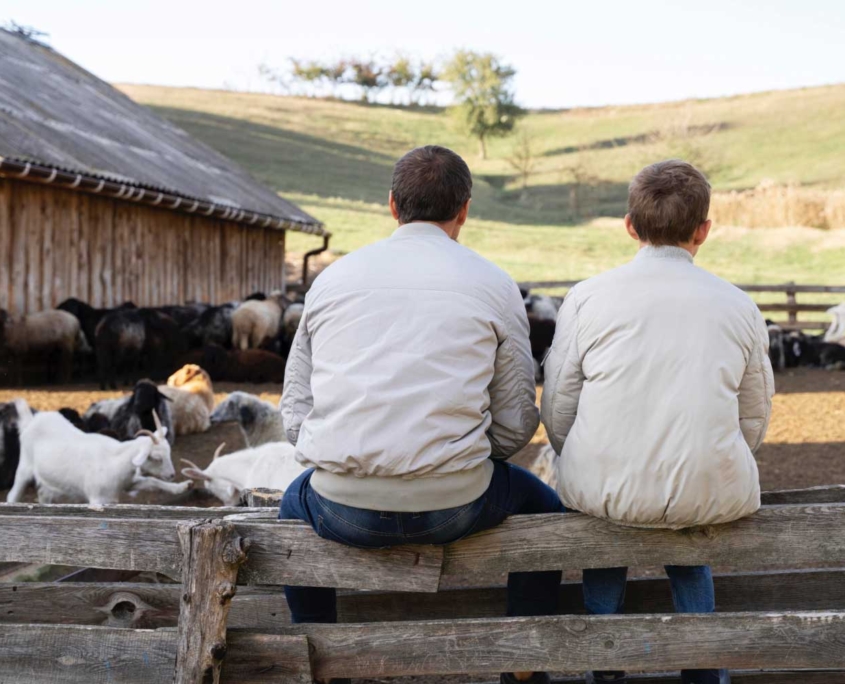
To understand this, let me tell you about two farmers.

Farmer One: The Good Operator

Farmer One grew up doing things the way his parents did. He knows his land like his own skin. Every gate that sticks, every trough that leaks, every cow with attitude — it’s all in his head. His days are always full, and that busyness feels necessary. If he’s not flat out, something must be wrong.

His team respects him, but they rely on him for everything — and he wears that like a badge of honour.

When a worker forgets a task, he thinks: “It’s quicker if I just do it myself.”
When someone suggests a new idea: “We’ve always managed fine.”

He’s not lazy. He’s not careless. He cares — deeply. But over time, the farm becomes a mirror of his mind: crowded, reactive, overloaded, always in motion.

Every problem feels urgent. Every breakdown feels personal.
And when systems are mentioned? “I don’t need a fancy system. I just need people to do their job.”

But deep down, he knows the truth.
He’s tired. And the farm can’t run unless he’s there.

A farm run on memory is a farm held together by strain.
This isn’t about skill. It’s about belief.

He believes systems are for big business, not for people like him.
He believes his memory can carry the load.
He believes chaos is normal.
And beliefs shape behaviour long before systems ever do.

Farmer Two: The Quiet Builder

Farmer Two isn’t smarter. He isn’t luckier. He doesn’t have fewer challenges. In fact, for years, he worked just like Farmer One — long hours, everything in his head, fixing problems as they showed up… and quietly proud the farm “needed” him.

Then came a moment of truth — the kind every farmer knows.

It was calving season. He hadn’t eaten all day. A worker misunderstood him. The animals were stressed. He was stressed. And he realised: “I’m repeating the same problems every season.”

That’s when he saw it clearly.
The farm wasn’t the problem.
The lack of systems was.

Not technology. Not dashboards. Just clarity.

So he started small.
One checklist in the dairy.
One weekly planning rhythm.
One paddock treatment sheet.
One short handover chat instead of assuming people understood.

At first, it felt slow — awkward, even. Like learning to write with his non-dominant hand.

Most farmers think systems restrict them.
The truth is, systems remove the weight that’s been restricting them for years.

Then something surprising happened.

The team stopped asking the same questions.
Mistakes dropped.
Jobs flowed.
He stopped carrying the mental burden of remembering everything.

Systems didn’t make him rigid — they made him calm.

He wasn’t less busy — just busy with purpose.
He wasn’t less involved — just involved in the right things.
He wasn’t less important — he was finally leading, not just operating.

He created time not because the farm needed less of him,
but because the farm finally understood him.
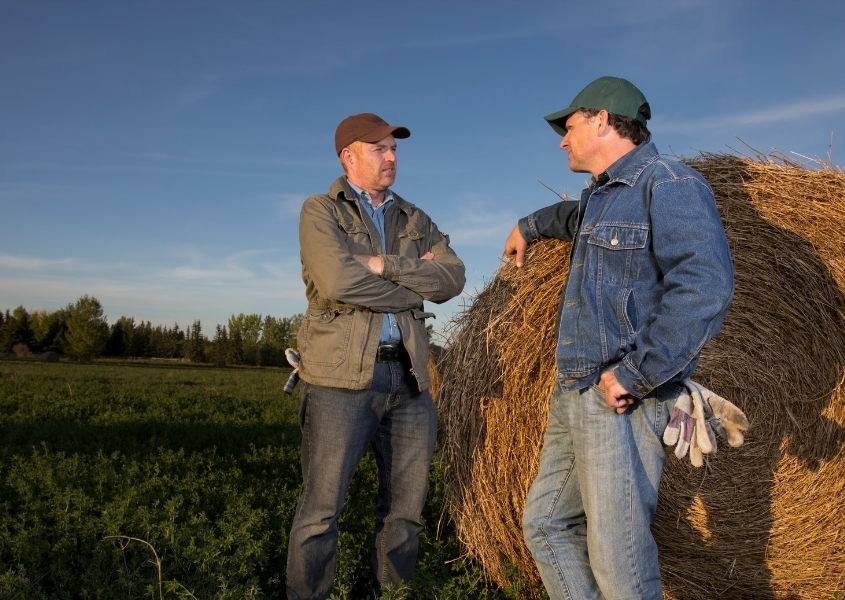
Two Farmers. One Difference.

These two farmers live in the same economy.
They face the same weather.
They work the same hours.
They deal with the same stress.

The difference?

Farmer One believes systems are extra work.
Farmer Two believes systems replace work.

Farmer One trusts his memory.
Farmer Two trusts his process.

Farmer One thinks calm means he’s missing something.
Farmer Two sees calm as a sign the farm is maturing.

Farmer One lives inside the farm.
Farmer Two lives above it.

One is consumed by the noise.
The other directs the rhythm.

The Psychology Behind It

The psychology of systems is simple, but rarely talked about.

  • People don’t resist systems because they’re complicated.
    They resist them because systems expose how much they’ve been carrying alone.
  • Systems feel confronting because they force clarity.
    And clarity removes excuses.
  • Chaos is seductive — it feels like movement.
    But structure creates actual progress.
  • Systems aren’t about writing things down.
    They’re about letting go.

Not of the farm.
Not of responsibility.
But of the belief that everything depends on you.

Final Reflection

Farmer One isn’t wrong. Farmer Two isn’t better.
They’re simply walking different psychological paths.

One holds the farm together.
The other builds it to stand without him.

And the truth is — both paths are available to every farmer.
But only one leads to calmer seasons, stronger teams, time-freedom, and a business that doesn’t burn you out.

Systems won’t make you perfect.
They won’t stop breakdowns or bring rain.

But they do something more powerful:
They protect your mind.
They steady your team.
They turn chaos into clarity.
And they give your future space to grow.

Farmer One will keep working hard.
Farmer Two will keep building smart.

Both care deeply.
But only one will look back in ten years and say:
“I built a business that didn’t cost me my life.”

Every season shapes your farm.
But the systems you build shape your life.
And in the end, that’s the harvest that matters most.

A Quiet Word to Farmers Who Want to Change Their Story

If you saw yourself in Farmer One — that’s normal. Most farmers start there.
You’re not behind. You’re not failing.
You’ve just been carrying more than anyone should.

The shift starts small.
One habit.
One routine.
One system that frees five minutes… then ten… then hours.

And if, one day, you decide you want a guide on that journey — someone who walks at your pace, in your way — I’m here for that.

If you found this article helpful, share it with your network to help others unlock their farming potential. Don’t forget to like and follow us on social media for more insightful tips: FacebookInstagram, and LinkedIn. Let’s empower more farmers together!

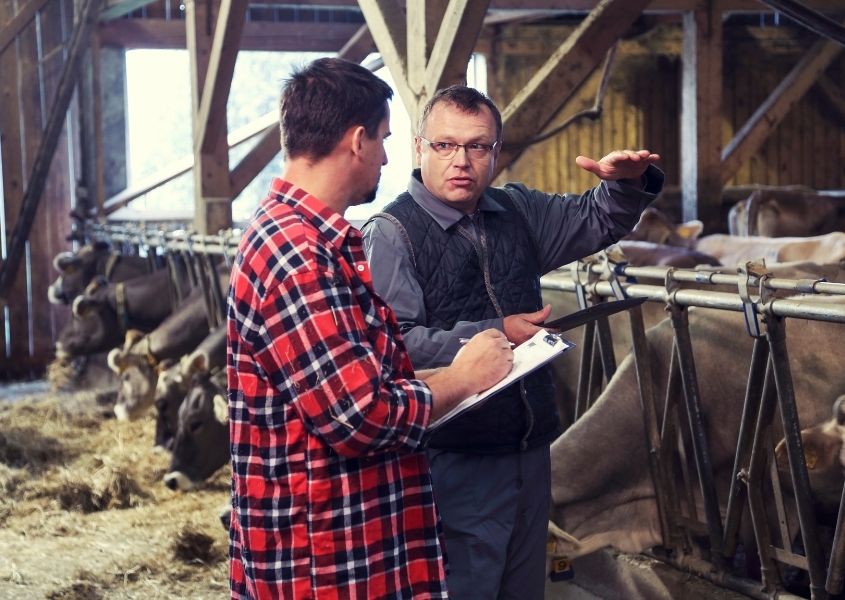
Are you familiar about a farm software? Most farmers I meet don’t think of themselves as “tech people.” They see software as something office folks use — not a tool for paddocks, livestock, or tractors. But here’s the truth: when chosen well, software is more than just technology. It’s a silent coach. It brings with it proven ways to run things better, cleaner, and faster — without adding more work.

Dan Martell, author of Buy Back Your Time, put it perfectly:

“When you invest in software for your business, you’re not just buying code — you’re buying best practices baked into it.”

That insight applies beautifully to farms. Because when you use the right tool, you don’t just automate a job — you learn how professionals run that area of their business.

Why a Good Farm Software Teaches You Good Habits

Think about it. A well-designed program doesn’t just do the work; it shows you how the work should flow.

  1. A task management app helps you delegate clearly and prevent double handling.
  2. A maintenance tracker teaches you to log machinery checks before they become breakdowns.
  3. A CRM tool for livestock sales makes follow-ups systematic instead of last-minute.

Every good system quietly builds better habits. And when you commit to using it properly — not half-heartedly — it becomes your farm’s best business mentor.

But There’s a Catch: You Have to Practice Using the Farm Software

Installing software doesn’t create time overnight.

It’s like putting a new header in the shed — it won’t harvest for you unless you learn to drive it well. Every time you adopt a tool, you’re also adopting a set of standards:

  1. How data is entered
  2. How records are shared
  3. How often tasks are reviewed

At first, it might feel slower. But with practice, it shifts chaos into rhythm. Within a few weeks, you’ll find fewer “where’s that file?” moments and more confident decision-making.

When There’s No Perfect App — Create Your Own

Sometimes there’s no ready-made app for your unique process. That’s where Smartsheet comes in — a simple, Excel-based tool that’s powerful enough to systemise just about anything on your farm.

Whether it’s tracking paddock treatments, training records, or machinery jobs, Smartsheet lets you build systems that fit your workflow instead of forcing you into someone else’s.

And the best part? It’s accessible and easy to learn — even for those who don’t love tech.

How We Help at Enable Ag

At Enable Ag, we help you close the gap between technology and time freedom in three key ways:

  1. Custom Smartsheet Templates: Purpose-built for Australian and New Zealand farms, these templates turn complex tasks — from team management to compliance tracking — into simple, repeatable systems.
  2. Practical Courses for Everyday Apps: We’ve designed short, easy-to-follow courses that boost productivity on the applications farmers use most. You name it, we likely have a course for it.
  3. Courses for Modern Tools from Other Industries: We also train you on the most valuable apps being successfully adapted into agriculture — the ones that bring automation and speed without complexity.
  4. Coaching to Increase Digital Literacy: Through our Farmers’ Time-Freedom Program, we coach you and your team to confidently use these tools and weave them into your daily workflow — so the tech serves you, not the other way around.

These tools and trainings don’t just save time — they teach structure, boost confidence, and help your team move together with clarity and consistency.

If you want to explore how we can tailor these systems to your farm, book a quick call here.

Final Thought

When you invest in software — you’re really investing in structure. And structure is what creates time. Good systems don’t replace people; they empower them. They make your farm easier to run, easier to hand over, and easier to enjoy.

Because in the end, technology isn’t about screens and spreadsheets —it’s about giving you the freedom to live the life you built this farm for.

If you found this article helpful, share it with your network to help others unlock their farming potential. Don’t forget to like and follow us on social media for more insightful tips: FacebookInstagram, and LinkedIn. Let’s empower more farmers together!

Every farm runs on a rhythm—seasons, stock, weather, people. Some days you need give (flexibility). Other days you need glue (connection). Get the balance wrong and the wheels wobble: jobs slip, safety drops, and good people drift. Get it right and the place hums—even when you’re off-farm.

Below are four common patterns we see on farms. None of them are “theory”—they show up in rosters, radio calls, toolbox talks, and how decisions are made in the yards.

The Tight Leash (low flexibility, low connection)

Everything’s dictated from the top: who starts when, how every job is done, which paddock gets priority. People feel watched and still left out. You get compliance without commitment. Tasks happen, but initiative vanishes. Result: turnover, quiet resentment, and leaders drowning in questions.

Tell-tale signs: constant micromanaging on the UHF, staff waiting for instructions, no one volunteers ideas at smoko.

The Lonely Paddock (high flexibility, low connection)

Everyone works their own way and hours, but there’s no shared plan. The spray run changes and the header operator isn’t told. The night milker alters the routine and morning shift is caught out. Freedom without an anchor turns into rework and risk.

Tell-tale signs: duplicated effort, surprises at changeover, “I didn’t know” becomes the most common sentence.

The Warm Shed (low flexibility, high connection)

Good vibe, poor autonomy. The crew gets on, but decisions are bottlenecked with the owner or manager. It feels safe, yet growth stalls because no one can move without approval. When pressure hits (calving/lambing/harvest), the system seizes.

Tell-tale signs: pleasant meetings, slow progress, leader overloaded with small decisions.

The Strong Mob (high flexibility, high connection)

This is the target. People are trusted to crack on, and they’re tied into a clear plan. Routines are known, exceptions are flagged early, and systems carry the memory so the farm isn’t leaning on one brain.

Tell-tale signs: short, sharp check-ins; clean handovers; fewer “gotchas”; the place still runs when the boss is off-farm.

Why this balance matters on farms

  • Seasonal peaks: lambing, calving, harvest, irrigation—rosters shift fast. Flexibility is non-negotiable.
  • Mixed crews: family, full-timers, casuals, contractors—connection can evaporate unless it’s designed.
  • Safety & biosecurity: without shared habits, one shortcut can cost lives, stock health, or markets.
  • Succession & time off: a farm that only runs when one person is present isn’t sustainable, and it isn’t saleable.

Three practical moves to get the balance right

1) Track outcomes, not hours

Swap “Were you here?” for “Did the important things get done?”

  • Examples: hectares sprayed, cows milked on time with zero mastitis flags, pasture cover targets met, TMR mixed to spec, breakdown hours reduced, water points checked and logged.
  • Tool: a simple whiteboard or Smartsheet list with weekly priorities and owners. Green = done, red = stuck, grey = not needed.

Why it helps: People keep freedom in how they work, and the team stays aligned on what matters.

2) Set small rituals that create connection

Connection isn’t a staff barbecue once a year—it’s routine.

  • Daily: 7-minute yard or dairy huddle: weather, hazards, top three jobs, who’s on call.
  • Shift handover: photo of the board + 60-second voice note in WhatsApp: what changed / what’s next / what needs the boss.
  • Weekly: 20-minute plan on Monday (paddock map out, targets set).
  • Monthly: toolbox talk: one safety focus, one system tweak, one win.

Why it helps: People won’t drift if the farm has steady beats. Short, predictable, low-friction.

3) Coach clear communication (make it a habit)

Clarity is currency on farms.

  • Radio rule: state the task + location + risk, and the receiver repeats back.
    • “Drench mix changed to 12 mL/head in north yards—copy?”
  • Photo proof: repairs, chemical labels, troughs filled—snap and share.
  • Decision log: a “what changed” column on the shed board prevents surprises.

Why it helps: Flex stays high because people aren’t scared to decide—but they keep the team in the loop.

Optional extras that pay off to create rhythm

  • Anchor days: choose one day most weeks when the full crew overlaps for training and tricky jobs.
  • Two-hat roles: pair a task with stewardship (e.g., “water systems lead”, “chemical store lead”) so knowledge isn’t trapped.
  • Simple SOPs: one page, one photo, one checklist—store them where work happens (shed wall/phone).

Try this this week: The Rhythm

Pick one action that strengthens connection without strangling flexibility:

  • Add the 7-minute start-of-day huddle,
  • Introduce the repeat-back radio rule, or
  • Write the top three weekly outcomes on the board and point names at them.

Small, steady improvements beat big announcements that fade.

Working Rhythm

Farms don’t need corporate buzzwords. They need working rhythm that let people move freely and pull together. When you build that balance on purpose, you protect safety, lift performance, and make the place less dependent on you.

That’s a farm that lasts—and a team that’s proud to be part of it. Add one rhythm this week—see what happens. Want help choosing the right one? Click here.

If you found this article helpful, share it with your network to help others unlock their farming potential. Don’t forget to like and follow us on social media for more insightful tips: FacebookInstagram, and LinkedIn. Let’s empower more farmers together!

We’re proud to share some exciting news — Enable Ag has been named the 2025 TAS State Winner in the Consultancy, Training & Employment Services category of the Australian Achiever Awards!

Scoring an exceptional 99.61% for customer satisfaction, this result places us among Australia’s top-performing service businesses and reflects the genuine, values-driven partnerships we’ve built with farming clients across the country.

What the Award Means

Now in its 28th year, the Australian Achiever Awards is one of the most respected independent customer service recognition programs in the country. What makes it stand out? It isn’t decided by a panel or an algorithm — it’s built entirely from the voices of real clients.

The judging process evaluates businesses against eight customer service pillars:

  • Time-Related Service
  • Addressing Client Needs
  • Care and Attention
  • Value
  • Attitude
  • Communication
  • Overall Perception
  • Referral

A score above 80% is considered exceptional. Enable Ag scored 100% in five out of eight categories, including Time, Value, Attitude, and Communication. Our overall score of 99.61% reflects not just operational excellence — it reflects trust, consistency, and heart.

The Real Measure of Service? What Clients Say

Awards are nice. But the real reward is what our clients had to say about their experiences. We were genuinely moved by their words.

“Ram has transformed the way I run my business. He’s introduced systems and options I never would’ve considered. The platform is fantastic, and we can access it any time.”
— Enable Ag Client

“Enable Ag is professional, engaging, and thorough. They’re always on time, follow up without being asked, and Ram is easy to reach. We’ve seen direct improvements to revenue because of them.”
— Enable Ag Client

“They’re not just ticking boxes. They’re actively solving problems and encouraging innovation. I can throw ideas at them, and they help make them real.”
— Enable Ag Client

This feedback reminds us that customer service isn’t just about responsiveness — it’s about being proactive, generous with ideas, and deeply invested in the success of our clients.

Acknowledging the People Behind the Service

While Enable Ag has grown, our team remains grounded in relationships. This award highlighted not only the systems and support we provide — but also the people.

Special mention goes to Ram, our founder, and Elaura, one of our most trusted team members. Both were named directly by clients for their standout service, clarity of communication, and hands-on support throughout the year.

We believe the best customer service doesn’t just meet expectations — it educates, empowers, and opens up new possibilities. And that’s what Ram, Elaura, and the team bring to every farm we partner with.

Why It Matters to Australian Agriculture

This award is more than a moment of pride. It’s a clear sign that something important is happening in ag.

Across Australia, farming businesses are evolving. They’re moving away from reactive, informal processes and stepping into a future where clarity, systems, and people-focused service lead the way.

Enable Ag is proud to be part of that change. Our role is to help family farms — no matter their size — streamline their operations, protect their time, and build resilient teams and systems that can handle the pressures of growth, succession, and seasonality.

We’re not here to just fix what’s broken. We’re here to build what comes next.

What’s Next — and How You Can Join Us

This recognition pushes us to keep raising the bar. We’re continuing to invest in:

  • New resources and systems that simplify farm operations
  • Training programs that build leadership capacity on the ground
  • Support structures that empower not just business owners, but their entire team

Whether you’re a farm manager trying to align your crew, or a business owner looking to grow without burning out, we’re here to help.

We also invite you to explore our free tools — designed to help you future-proof your team and reduce reliance on any one person.

Thank You

To every farm owner, team member, and business partner who placed their trust in us: thank you. Your commitment to growth and better systems is what makes this award possible.

And to our future clients — we’re excited to show you what’s possible when a values-driven business meets a purpose-driven farm.

Here’s to raising the bar for service in agriculture — together.

If you found this article helpful, share it with your network to help others unlock their farming potential. Don’t forget to like and follow us on social media for more insightful tips: FacebookInstagram, and LinkedIn. Let’s empower more farmers together!

We live in a time when machinery is smarter, software is faster, and margins are tighter. But somehow, the people running farms—you—are burning out more than ever. Why?

Because we’ve been sold a myth. A myth called “work-life balance.”

That you’re supposed to divide your week into perfect slices of family, business, health, community, hobbies, and recovery. But life doesn’t work like that. Not on the land. Not with seasons, weather, livestock, staff shortages, markets, or your kid’s footy finals.

Let’s be clear, true balance isn’t about splitting time equally. It’s about choosing intentionally. At Enable Ag, we call this Intentional Imbalance. And it’s not just a philosophy—it’s a survival skill.

Why Intentional Imbalance Works

Farming isn’t a 9-to-5 job. It’s a life wrapped in responsibilities. But trying to give equal time to everything—spraying, soil testing, spreadsheets, parenting, date nights, gym sessions—only leads to guilt, exhaustion, and resentment.

Instead, let’s accept this truth: Life has seasons. And each season deserves a different focus.

Just like we rotate crops, we must rotate attention.

How Farmers Are Reclaiming Their Time with Intentional Imbalance

If you’ve ever found yourself being the first to arrive and the last to leave, constantly followed by questions like, “Where’s the fertilizer stored?” or “What time do we meet the contractor?”—you’re not alone.

Most family-owned farmers we speak to are stuck wearing too many hats—manager, worker, mentor, mechanic, admin, and parent—all in a single day. It’s not sustainable.

But here’s what’s surprising: the breakthrough doesn’t come from working harder. It comes from working differently.

Farmers who embrace intentional imbalance start by shifting their focus from “doing everything” to doing what matters most for that season. For some, that’s stepping back from the paddock to invest time in team development. For others, it’s documenting one key process a week to reduce interruptions and repeated instructions.

Intentional Imbalance: A Realistic Approach to Work-Life Harmony on the Farm

Once that focus is clear, they:

  • Create systems for repetitive tasks—so the same questions don’t have to be answered 15 times.
  • Empower their teams through structured meetings and role clarity—so people step up in their absence.
  • Test their operations by intentionally taking short breaks—revealing which systems hold and which need strengthening.

They don’t aim for perfection. They aim for progress. And the result?

Less firefighting. Fewer bottlenecks. More confidence in stepping away—whether it’s for a school event, a weekend off, or a much-needed holiday.

These farmers don’t find more time—they free it, by focusing intentionally and letting go of the myth that they must do it all, all the time.

Small Action Steps to Intentional Imbalance

Here’s how you can begin to live with intentional imbalance:

1. Define What This Season Demands

Are you in a growth phase? Preparing for succession? Burnt out and ready to restore? Pick one area that matters most right now. Prioritise it on purpose.

2. Audit the Roles You Play

Use our DOR tool (Delegation-Order-Roles). Stop bouncing between ‘farmhand’ and ‘visionary’ in the same hour. Know which hat you’re wearing—and when.

3. Systemise One Thing a Week

Start with what frustrates you most—feeding schedules, contractor comms, payroll, irrigator setups. Record a video. Create a checklist. Give it a name. Make it repeatable. This one move can return hours of time every week.

4. Take a Break, On Purpose

Pick a fortnight. Go away. Let the farm run using your new systems. Not only will you come back fresher—you’ll expose gaps to improve before the next season.

5. Don’t Do It Alone

Freedom isn’t a solo project. You need accountability, a sounding board, and a coach who won’t let you slide back into old habits. That’s what we do at Enable Ag.

Your Time is Your Power

You weren’t born to be a slave to your farm. You were born to build a life—and a legacy—that includes time, family, and freedom.

Forget the myth of balance. Embrace the art of intentional living. Because once you choose your focus with purpose, you stop surviving and start living.

Feeling like you’re always playing catch-up and never truly switching off?
Let’s talk about what it would look like to finally take a breather—without everything falling apart.

👉 Book a free 15-minute Discovery Call and find out how other farmers are making space for what matters most.

If you found this article helpful, share it with your network to help others unlock their farming potential. Don’t forget to like and follow us on social media for more insightful tips: FacebookInstagram, and LinkedIn. Let’s empower more farmers together!

Let’s be honest. Overcoming procrastination isn’t just about productivity—it’s about shifting a mindset trap. And for many farmers I work with, it’s the silent thief of time, progress, and peace of mind. But what if you could move forward not with pressure, but with purpose?

Through my personal journey and over 6,000 hours of coaching farmers across Australia, I’ve come to see procrastination as a tiered journey. Understanding where you are in this journey can unlock the next small, but meaningful step forward. One tier at a time.

The 5 Tiers of Overcoming Procrastination

At Enable Ag, we don’t believe in quick fixes or one-size-fits-all hacks. Real transformation happens when we recognise that procrastination is not a character flaw—it’s a process. And like any process, it can be understood, unpacked, and improved one layer at a time.

That’s why we’ve developed the 5-Tier Model of Overcoming Procrastination—a step-by-step framework grounded in real-world farming experience and behaviour change psychology.

Each tier represents a stage in your personal productivity journey—from reactive behaviour to purposeful action. Whether you’re buried in admin backlog or already planning ahead with clarity, this model gives you a roadmap to climb your next rung—with confidence, not overwhelm.

No need to leap five levels overnight. Just focus on your next tier up.

Let’s explore what each tier looks like—and how to move forward from wherever you stand today.

Tier 1: Reactive Procrastination – “I’ll Get to It… Eventually”

Reality Check: You delay tasks until the last minute. You wait for deadlines. Pressure from others is your primary motivator. And when things don’t get done? There’s usually a “good” reason.

Traits:

  • Constant firefighting
  • Blaming circumstances (weather, suppliers, tech)
  • No proactive planning
  • 80% of new clients start here (and yes, even I still dip into this tier now and then)

Path Forward: Awareness. That’s it. Begin by simply admitting that this is where you’re at.

Tier 2: Awareness & External Accountability – “I Know I Delay… But I Need a Push”

Here’s where growth begins. You start recognising your procrastination patterns and want to change. But motivation is still patchy and depends on external check-ins.

Traits:

  • Basic tools: to-do lists, reminders (used inconsistently)
  • External motivation (Enable Ag’s weekly coaching & accountability works wonders here)
  • Attempting to “force” motivation

Enable Ag’s Role: We act as your gentle push. With structured support and short, focused sessions, we help move you from crisis management to control.

Tier 3: Emotional Awareness & Strategy – “I Understand Why I Avoid Things”

This is where real breakthroughs happen. You begin to see the emotional drivers behind procrastination—fear, fatigue, or perfectionism. Now, you respond with strategy, not shame.

Traits:

  • Chunking big tasks into smaller ones
  • Using timers or environment changes to get started
  • More consistent self-initiated action

Enable Ag Bonus: Clients at this stage start leveraging our Learning Portal to revisit courses on demand. They shift from needing hand-holding to taking the lead.

Tier 4: Reflection & Habits – “I’ve Got Systems That Work for Me”

Welcome to the proactive farmer’s mindset. You plan. You journal. You reflect. You don’t just “manage” time—you own it.

Traits:

  • Weekly planning becomes second nature
  • Journaling as a tool for course correction
  • Consistent habits replace emotional distractions
  • Systems like Enable Ag’s Habits Formation and Weekly Planning Course drive progress

You’re not perfect—but you’re in motion. This is where farmers begin enjoying not just more time, but more clarity.

Tier 5: Inner Alignment & Self-Sustaining Systems – “I Run My Day. My Day Doesn’t Run Me.”

Few reach this level—and that’s okay. It’s not a race. This is where simplicity meets clarity. You act from purpose, not pressure. Systems are so simple, they stick.

Traits:

  • Purpose-aligned decisions, even when things get hard
  • Action is sustained, not reactive
  • Simple systems: fridge checklists, meal plans, visual task charts for the kids
  • Inner clarity > external motivation

What It Feels Like: Peace. Ownership. Flow. The farm doesn’t control you—you’re steering it with intention.

What If You’re Closer Than You Think?

You don’t need to overhaul your life to feel in control again. Sometimes, it’s as simple as printing a checklist, blocking 30 minutes of quiet time, or deciding your week before it begins.

The truth is—every farmer I’ve coached who made it to Tier 5 didn’t start with more time or better tools. They started with one decision: to try something different.

Progress isn’t about intensity—it’s about consistency.

Whether it’s setting your alarm 15 minutes earlier or finally printing that weekly planner… those “small” steps are what build real freedom.

So instead of asking “How do I fix it all?”, try asking:

“What’s one thing I could do this week to lead my time—not chase it?”

Because when you shift from reacting to leading, your entire farm feels the difference.

Download the Overcoming Procrastination: Your Tiered Progress Tracker

We’ve created a handout you can print, tick, and reflect on. Identify where you sit today—and where you want to be next. Great for your fridge, your desk, or to review with your coach.

Download it here.

Why Most Farmers Stay Stuck

Ready to Move Up a Tier?

This isn’t about perfection. It’s about progress. One rung at a time. So don’t try to leap from Tier 1 to Tier 5. Ask yourself this: “What’s the next tier I can realistically step into over the next 6 weeks?”

Need support mapping your journey? Book a 15-minute Discovery Call and we’ll figure it out together.

If you found this article helpful, share it with your network to help others unlock their farming potential. Don’t forget to like and follow us on social media for more insightful tips: FacebookInstagram, and LinkedIn. Let’s empower more farmers together!

The search for the “perfect employees” might be the single biggest mistake farm owners make. Not only is this approach time-consuming, but it also creates a dependency. The reality? The ideal employee doesn’t exist—but your farm can thrive with coachable team members who align with your operational core values and embrace following systems in place.

Hence, at Enable Ag, we believe transitioning from a people-dependent to a systems-driven farm by core values aligned team members can unlock sustainability, resilience, and, most importantly, time freedom for you and your family.

The Cost of Chasing Perfect Employees

Relying on highly skilled individuals might feel like the safest bet, but it makes your farm vulnerable. When key team members leave, chaos often ensues. Without clear systems in place, remaining employees are left scrambling to fill the gaps, leading to errors, delays, and stress.

Instead of chasing unicorn employees, why not hire for shared values and train your team using documented workflows? Like schools that train students for success, your farm can foster a culture where systems guide operations.

Why Systems Matter As Much As People

The relationship between systems and personnel is inversely proportional. The better your systems, the less reliant you are on unicorns. Systems can reduce human error, ensure consistency, and build a scalable business model.

Consider this: A documented procedure for setting up irrigation or processing payroll ensures clarity and reduces the margin for mistakes. Tools like Loom or Scribe simplify creating these Standard Operating Procedures (SOPs) with minimal effort.

What You Gain with a Systems-First Approach

  1. Operational Resilience: Systems maintain your farm’s stability during staff transitions or absences.
  2. Scalability: Hire based on cultural fit, upskill employees, and rely on systems for expertise.
  3. Improved Team Dynamics: Defined workflows eliminate confusion, foster trust, and boost morale.
  4. Time Freedom: Free yourself from micromanagement and focus on strategy or personal priorities.

Stop-Searching-for-Perfect-Employees—Heres-Why-Your-Farm-Needs-Strong-Systems-Instead

How to Start Building Systems on Your Farm

  1. Start with High-Impact Tasks: Identify recurring processes, like livestock management or irrigation schedules, and create simple systems for them. Start with the ones that are going to happen sooner than later.
  2. Leverage Technology: Tools like Smartsheet and Loom make creating and managing systems intuitive.
  3. Test and Refine: Implement the system, gather team feedback, and improve until it’s seamless.
  4. Focus on the 80/20 Rule: Target the 20% of activities that yield 80% of your farm’s results. Finish one system at a time.

Why Farmers Need to Shift Their Mindset

Too often, farmers believe that they need to handle everything themselves. This mindset traps them in reactive work, constantly putting out fires instead of planning for growth.

The solution? A systems-first approach that enables delegation, empowers your team, and makes your farm sustainable even in your absence.

From Stress to Sustainability

Building robust systems isn’t just about efficiency; it’s about creating a farm that thrives independently. Imagine reclaiming your weekends, spending quality time with your family, and knowing your farm runs smoothly without you constantly overseeing every detail.

Don’t let outdated practices hold you back. Contact Enable Ag for a FREE personalised consultation to check if it’s the right program for you toward operational excellence and personal freedom.

If you found this article helpful, share it with your network to help others unlock their farming potential. Don’t forget to like and follow us on social media for more insightful tips: Facebook, Instagram, and LinkedIn. Let’s empower more farmers together!

“Should I feel guilty for delegating the hard, physical work to my team while I focus on tasks in the office?”

This question reflects a challenge faced by many farm owners. There’s a deeply ingrained belief in farming culture that true leadership comes from hard physical labor alongside the team. While physical effort has its value, the mental labor of managing, leading, and strategising is equally crucial for the farm’s success.

Farm owners often wear multiple hats—farmhand, manager, leader, and visionary—each demanding different skills and energy. Recognising the importance of balancing these roles, especially through effective delegation, is key to unlocking a farm’s full potential. By shifting your mindset and embracing leadership, you’re not stepping back; you’re stepping up for the long-term growth of your farm and family.

In this blog, we explore why effective delegation, clear communication, and focusing on both mental and physical labor are the pillars of sustainable farming success.

The Farmer’s Quadrant: Understanding Your Role

Every task in farming lies along a spectrum of physical effort and mental effort. Whether shoveling grain or planning for the next decade, tasks vary in their demands. As a farm owner, your responsibilities span:

  1. Farmhand: Hands-on, physical tasks like livestock care and machinery maintenance.
  2. Manager: Overseeing operations, delegating tasks, and ensuring accountability.
  3. Leader: Coaching and empowering your team to grow and excel.
  4. Visionary: Crafting strategies and making long-term decisions for your farm’s future.

Success doesn’t mean abandoning physical labor altogether; it means finding the right balance. Strategic delegation allows you to prioritise leadership and visionary roles, ensuring sustainable progress.

Overcoming Guilt: Redefining the Value of Your Contribution and Effective Delegation

For many farm owners, stepping away from physical tasks feels like letting the team down. But consider this: your role as a leader and decision-maker is just as vital as the work in the field. Effective delegation isn’t about avoiding hard work—it’s about placing your energy where it yields the greatest impact.

To overcome guilt, focus on these strategies:

  • Acknowledge the Value of Mental Labor: Leadership and decision-making are demanding tasks that require focus, creativity, and emotional energy. These are not “lesser” forms of work—they are essential for growth.
  • Educate Your Team: Share the spectrum of responsibilities you manage, from operational decisions to long-term planning. When your team understands your broader role, they’ll see your absence from physical tasks as a strength, not a weakness.
  • Create a Culture of Trust: Building a dependable, self-reliant team means creating systems and fostering a culture where delegation isn’t just effective—it’s celebrated.

Farm Leadership, Farm Delegation, Farm Management Tips, Farm Owner Success, Time Freedom For Farmers, Effective Delegation, Leadership In Farming, Farm Life Balance, Visionary Farming, Mental Labor Matters, Physical And Mental Effort, Farm Task Management, Farm Growth Strategies, Empowered Farm Teams, Farming Systems Approach, Sustainable Farming Leadership, Farm Owner Mindset, Farm Business Planning, Farming Efficiency, Strategic Farming, Farming Productivity, Farm Success Stories, Work Life Balance Farming, Farm Team Empowerment, Farming Future Generations, Enable Ag

Delegation: The Ladder to Success

Delegation doesn’t mean doing less; it means doing what matters most. Start small, gradually entrusting your team with larger responsibilities as they gain confidence and skills. Use this hierarchy to prioritise:

  1. Farmhand Work: Delegate repetitive physical tasks like cleaning, hauling, and feeding.
  2. Management Duties: Train your team to handle logistics, scheduling, and reporting.
  3. People Management: Empower leaders within your team to oversee hiring, performance reviews, and team building.
  4. Visionary Tasks: Retain control over strategic decisions while mentoring others to manage day-to-day operations.

This approach builds a resilient, self-sufficient team, freeing your time for high-impact tasks.

Setting Clear Expectations: Bridging the Gap Between Roles

Delegating effectively requires a clear vision of how your time should be spent. Consider breaking your week into these percentages:

  • 30%: Physical tasks, focusing on those you enjoy or are particularly skilled at.
  • 20%: Managerial oversight, ensuring smooth operations.
  • 20%: Leadership activities, like mentoring and team development.
  • 30%: Visionary roles, crafting strategies and exploring growth opportunities.

Communicate these plans with your team to foster alignment and understanding. This transparency strengthens their trust in your leadership and clarifies their roles within the bigger picture.

Leadership for a Sustainable Future

Leadership isn’t just about getting the work done—it’s about enabling others to thrive. By focusing on both the mental labor of strategic decision-making and empowering your team, you build a resilient farm capable of weathering challenges. This shift not only improves operational efficiency but also enriches your personal life by freeing time for family and leisure.

Ready to take your farm to the next level? Download our Ultimate Time-Freedom Checklist to start learning how to systemise, delegate effectively, and focus on the roles that matter most. Start your journey toward sustainable success today.

If you found this article helpful, share it with your network to help others unlock their farming potential. Don’t forget to like and follow us on social media for more insightful tips: Facebook, Instagram, and LinkedIn. Let’s empower more farmers together!

Farm succession isn’t just about passing on land or assets—it’s about ensuring your farm remains resilient, productive, and future-focused. As a farmer, you’ve spent years cultivating not only crops and livestock but also the unique wisdom, routines, and systems that make your farm thrive. Transitioning this wealth of knowledge is just as crucial as transferring ownership.

At Enable Ag, we specialise in succession planning of wisdom—capturing and systemising farm operations to reduce reliance on any one person. By focusing on knowledge transfer, streamlined processes, and team empowerment, you can safeguard your farm’s legacy for the next generation.

Why Succession Planning of Wisdom Matters

Traditional succession planning often centres on financial and legal arrangements, but what about the intangible assets—the know-how, strategies, and systems that make your farm unique? Without capturing this wisdom:

  • Critical knowledge could be lost.
  • Successors may struggle with decision-making.
  • Operations risk disruption during unexpected changes.

By focusing on systemisation and knowledge transfer, you equip your successors to lead with confidence and continuity.

Four (4) Key Pillars of a Successful Farm Succession

1. Plan Early and Communicate Often

Farm succession isn’t a task to leave until retirement. It’s a long-term process that requires careful planning and open communication. Early discussions about the farm’s future create opportunities to align goals, define roles, and address concerns before they become roadblocks. These conversations should include everyone involved in the farm’s future—whether family members or key staff.

Clear and regular communication is equally important during the transition. It helps set expectations, resolve misunderstandings, and ensure everyone understands their responsibilities. Consistent check-ins and stakeholder meetings are vital to keeping the transition on track.

Use discussions as a starting point to document the shared vision for your farm and the steps required to achieve it. This clarity will guide the entire succession process.

2. Capture Knowledge and Build Systems

The heart of farm succession lies in transferring operational wisdom. Without proper documentation, years of experience, seasonal routines, and critical workflows risk being lost. Succession planning should involve systematically capturing this knowledge and building systems to ensure your farm’s sustainability.

This includes documenting:

  • Seasonal calendars detailing key workflows and timings.
  • Best practices and standard operating procedures for each enterprise.
  • Specific “do’s and don’ts” based on lessons learned.
  • Decision-making frameworks and troubleshooting guides.

Systems reduce dependency on any one person and make it easier for successors to understand and maintain daily operations. Leveraging technology—like digital systems—can streamline this process, enabling better organisation and accessibility of information.

Create a centralised knowledge repository where all farm documentation is stored, from operational guides to equipment maintenance records.

Farm Succession: Seven (7) Key Steps for Gradually Transitioning Responsibilities

3. Delegate Responsibilities Strategically

Delegating isn’t just about handing over tasks—it’s about empowering successors with the skills and confidence to lead. A phased transition ensures successors have time to learn and adjust while still benefiting from your mentorship. Begin with smaller, well-defined tasks and gradually transfer more complex responsibilities.

It’s also important to foster a team-oriented culture. A resilient farm doesn’t rely on a single individual but rather a team capable of stepping into various roles as needed. Upskilling your team and assigning cross-functional tasks ensures everyone can contribute meaningfully to the farm’s success.

Pair task delegation with leadership development. Encourage successors to participate in decision-making processes, attend industry events, and take on projects that develop their problem-solving skills.

4. Prioritise Sustainability and Personal Freedom

Farm succession isn’t just about what’s best for the farm—it’s also about your personal future. Transitioning to retirement doesn’t have to mean a sudden break from farm life. A phased approach allows you to step back gradually while staying connected in an advisory capacity.

At the same time, it’s critical to ensure the farm is prepared for the long term. This involves creating a robust financial and operational plan that safeguards profitability, addresses risk, and supports the next generation.

A sustainable succession plan also focuses on team empowerment and long-term viability. By reducing key person dependency and building a solid operational foundation, you’re setting your farm up for continued success—while giving yourself the freedom to enjoy well-deserved personal time.

Define what personal success looks like post-transition, whether it’s travel, hobbies, or family time, then align your succession strategy with these goals to create a smooth and fulfilling retirement.

Checklist: Actionable Steps for Succession Success

  1. Start Planning Early
    • Schedule a family or team meeting to discuss long-term goals and roles.
    • Develop a shared vision for the farm’s future.
    • Hold consistent check-ins and stakeholder meetings to maintain alignment and address concerns.
  2. Document Knowledge and Systemise Operations
    • Create a farm calendar and record seasonal workflows for key activities.
    • Centralise all documentation in a digital or physical repository for easy access.
    • Leverage technology and develop Standard Operating Procedures (SOPs) for each task or enterprise. Example: Use Smartsheet to create and manage SOP templates. Use Loom to record video tutorials that demonstrate tasks step-by-step.
    • Identify and address bottlenecks in current workflows to improve efficiency.
  3. Delegate Tasks Gradually and Empower Your Team
    • Begin with smaller, low-risk tasks and gradually progress to leadership responsibilities.
    • Provide mentoring and constructive feedback to help successors build confidence and grow into their roles.
    • Conduct training sessions to equip your team with versatile skill sets.
    • Assign cross-functional tasks to reduce reliance on specific individuals and foster a resilient team culture.
  4. Focus on Personal Transition
    • Set a phased timeline for reducing your daily involvement, ensuring a smooth handover of responsibilities.
    • Plan personal goals and activities to enjoy during your retirement years, aligning your transition with your aspirations.

Download the Farm Succession Checklist here.

Your farm’s legacy is more than land—it’s the wisdom and systems that make it thrive. Let Enable Ag help you capture and systemise that knowledge to ensure a seamless transition for generations to come. Contact us today to start planning your farm’s future with confidence.

If you found this article helpful, share it with your network to help others unlock their farming potential. Don’t forget to like and follow us on social media for more insightful tips: Facebook, Instagram, and LinkedIn. Let’s empower more farmers together!

Running a farm goes beyond traditional skills—it’s about effective leadership and strategic management. As the industry faces challenges like unpredictable markets and labour shortages, how are you adapting? The farmers who thrive embrace modern farm management tools, from precision agriculture to cloud-based software, and empower their teams through strong leadership.

Lead with Purpose toward Modern Farm Management

Good leadership isn’t about giving orders—it’s about inspiring commitment. Create an environment where your team feels valued and supported. Regular feedback sessions, clear communication, and shared goals encourage a sense of ownership and accountability. Consider daily briefings to align everyone with farm priorities and foster problem-solving before challenges escalate.

Additionally, resilience is a hallmark of effective leadership. Whether it’s a tough market shift or an unexpected machinery breakdown, staying focused helps keep your team calm and resourceful under pressure.

Manage Smarter, Not Harder

Farm management has grown increasingly complex, making the integration of digital tools crucial. Do you regularly monitor track input costs, yields, and labour expenses? Streamlining operations with right tools can help you make more informed decisions, save costs, and reduce manual errors. Think of farm management systems as tools that allow you to work smarter, rather than harder, by consolidating critical data in one place.

Empower Your Workforce

A productive farm starts with a motivated workforce. Are your workers engaged and clear on their roles? Foster a sense of belonging through open communication and clear task management. Defined responsibilities, along with weekly check-ins, ensure that your team stays focused and knows exactly what’s expected of them.

Another key aspect is empowering your team to embrace change. As technology evolves, successful farm leaders invest in training staff to understand and use new tools effectively. Building your team’s confidence in technology increases productivity and enhances overall farm efficiency.

Achieve Balance Between Profit and Well-Being

While increasing farm profitability is vital, sustainability also depends on balancing productivity with the well-being of both the land and the people who work it. Take steps to avoid burnout by delegating responsibilities and leveraging technology to reduce manual labour. Ensuring that both you and your team maintain a healthy work-life balance is critical for long-term success.


Mastering Modern Farm Management: Four (4) Leadership Tips for Thriving Farms

Four (4) Leadership Tips for Modern Farm Management

  1. Set Leadership Goals: Schedule quarterly workshops that focus on key areas like communication, conflict resolution, and team motivation. Use surveys or one-on-one feedback from your team to measure progress. Measure success through team feedback and farm performance metrics.
  2. Implement Weekly Structured Briefings: Hold structured 30 to 60-minute weekly meetings to set weekly objectives and review potential issues. Use this time to empower team members by rotating leadership roles during these briefings. Encourage open feedback for any process improvements.
  3. Foster Skill Development: Invest in continuous learning for yourself and your team. Enroll in relevant courses through Enable Ag’s Learning Portal to upskill in areas like creation of simple systems, farm technology, and leadership. Tailor these learning paths to match your farm’s goals, ensuring your team is equipped to handle new tools or challenges. Implement hands-on workshops or mentoring programs to reinforce learning on the job. Regularly assess progress and encourage cross-training to ensure team flexibility and preparedness for diverse farm tasks.
  4. Delegate and Monitor Effectively: Adopt task management platforms like Trello, Asana or Smartsheet to assign tasks with clear deadlines and accountability. Review weekly reports on task completion, and use performance dashboards to identify bottlenecks or workflow inefficiencies.

Farm success hinges on more than just traditional skills; it requires strong leadership and efficient management. By embracing modern tools, empowering your workforce, and balancing productivity with well-being, you can ensure long-term success for your farm. Curious about how you can elevate your leadership and management practices? Get in touch with Enable Ag to explore the free resources that will help you thrive, or schedule a personalised guidance to transform your farm operations and lead your team to success.

If you found this article helpful, share it with your network to help others unlock their farming potential. Don’t forget to like and follow us on social media for more insightful tips: Facebook, Instagram, and LinkedIn. Let’s empower more farmers together!