Articles related to: Enable Ag coaching

Most farmers measure growth in visible ways. 

More hectares.
More stock.
More machinery.
More turnover. 

And on paper, growth looks like progress. 

But there’s another cost that rarely appears in budgets, business plans, or balance sheets — yet it’s the one farmers feel the most. 

Mental load. 

Growth Changes the Nature of the Work 

When farms are smaller, work is mostly physical. 

You do the job.
You see the result.
You move on. 

As farms grow, the work quietly shifts. 

Less time is spent doing.
More time is spent deciding. 

  • What to prioritise 
  • Who to trust 
  • What can wait 
  • What might break if you’re not watching 

The farm stops being something you work on — and starts being something you carry. 

Mental Load Isn’t About Hours 

Many farmers don’t work more hours than they used to.
But they feel more tired. 

That’s because mental load doesn’t switch off when the day ends. 

It shows up as: 

  • replaying decisions at night 
  • holding half-finished thoughts 
  • tracking loose ends in your head 
  • worrying about things that might go wrong 

You’re not resting —
you’re buffering risk.
And that’s exhausting in a different way.  

Why Growth Feels Heavier Than It Should 

Growth adds: 

  • more people 
  • more handovers 
  • more dependencies 
  • more consequences 

If the structure doesn’t change alongside growth, the pressure concentrates in one place — usually with the owner or manager. 

That’s when you hear things like: 

  • “I can’t step away.” 
  • “It’s easier if I just do it.” 
  • “I’m always thinking about the farm.” 

The problem isn’t growth itself.
It’s growth without support structures. 

The Invisible Tax of Holding It All Together 

Mental load is the tax paid by capable people in under-designed systems. 

It’s paid in: 

  • shortened patience 
  • reduced clarity 
  • slower decisions 
  • strained relationships 

Not because farmers don’t care —
but because they care too much,
with nowhere to put that care down. 

Why This Doesn’t Fix Itself 

Many farmers assume mental load is just part of success. 

“That’s the price you pay.”
“That’s responsibility.”
“That’s leadership.” 

But mental load doesn’t naturally reduce over time. 

If anything, it compounds. 

More experience means: 

  • more knowledge in your head 
  • more people relying on you 
  • more situations you’ve seen go wrong 

Without systems, experience becomes a weight instead of an asset. 

Systems as Mental Load Insurance 

The most overlooked benefit of systems isn’t efficiency. 

It’s relief. 

Good systems: 

  • store decisions so they don’t need to be re-made 
  • make priorities visible 
  • reduce second-guessing 
  • allow others to act with confidence 

They don’t remove responsibility.
They share it safely. 

What Changes When Mental Load Drops 

When mental load is reduced: 

  • thinking becomes clearer 
  • decisions come faster 
  • leaders stop reacting 
  • time off actually feels like time off 

The farm doesn’t feel lighter because there’s less to do.
It feels lighter because less is being carried in one head. 

This Is the Growth Most Farms Miss 

True growth isn’t just scale. 

It’s: 

  • growing structure 
  • growing clarity 
  • growing shared understanding 

Without that, bigger farms simply mean bigger mental burden. 

And that’s not sustainable — for the business or the people in it. 
Where Enable Ag Fits 

At Enable Ag, we don’t treat mental load as a personal weakness.
We treat it as a design issue. 

Our work focuses on: 

  • moving decisions into systems 
  • reducing dependency on memory 
  • creating clear rhythms and handovers 
  • building farms that don’t require constant mental vigilance 

Because growth should create opportunity —
not permanent pressure. 

Want the First Step Toward Sustainable Growth? 

Download the Ultimate Time-Freedom Checklist — it helps you spot the hidden time leaks and mental load traps that are holding your farm back. 

👉 Get the checklist here 

Build the structure that growth demands — before the weight of it lands on you. 

If you found this article helpful, share it with your network to help others unlock their farming potential. Don’t forget to like and follow us on social media for more insightful tips: FacebookInstagram, and LinkedIn. Let’s empower more farmers together!

There’s a quiet belief floating around agriculture that goes something like this: 

“If we just had the right software, things would be easier.” 

The perfect app.
The all-in-one system.
The silver-bullet solution that finally brings order to the chaos. 

But most family-owned farms don’t have the luxury of building custom software or throwing money at expensive tools. And even if they did, here’s the uncomfortable truth: 

Technology has never been the real bottleneck on farms. People have. 

Not because farmers aren’t capable — but because time, discipline, and follow-through are harder than buying another tool.  

The Reality: Farms Have Always Been “Hacky” 

Farms have never waited for perfect conditions. 

When something breaks, you adapt.
When a process doesn’t exist, you make one.
When resources are tight, you get creative. 

That hacky mindset — using what you already have and making it work — is actually a strength. But only if it’s paired with discipline. 

Because without discipline, even the simplest process falls apart. 

Why Fancy Technology Doesn’t Fix Broken Habits 

We now have more technology than ever: 

  • Automation 
  • AI 
  • Apps for everything 
  • Tools that promise to “save time” 

And yet, many farmers feel just as time-poor as they did 10 or 20 years ago. 

Why? 

Because technology can support discipline — but it can’t replace it. 

If a task isn’t reviewed regularly, software won’t magically fix that.
If a process isn’t followed consistently, an app won’t enforce it forever.
If responsibility isn’t clear, dashboards won’t create ownership. 

At some point, someone still has to show up, follow the process, and stick to it. 

The Myth of the “Perfect Tool” 

One of the biggest traps we see is waiting. 

Waiting for: 

  • The perfect app 
  • The ideal system 
  • A tool that makes everything effortless 

But many farm processes simply don’t have a dedicated piece of software. And even if they did, waiting for perfection often means nothing changes at all. 

In reality, most effective farm systems start simple: 

  • A clear process 
  • A basic tool 
  • A disciplined habit 

Only later do they become more sophisticated.  

Sophisticated Outcomes Come from Simple Discipline 

Here’s the counterintuitive truth: 

You don’t need sophisticated technology to run a sophisticated farm.
You need sophisticated thinking applied to simple tools. 

A well-run process on a basic spreadsheet beats a neglected premium app every time. 

This is why tools like Smartsheet work so well on farms. They’re not flashy — they’re practical. They let you create structure using a familiar, spreadsheet-style approach, while adding just enough automation to reduce mental load. 

And when there’s no perfect system available? You build one.  

The One Thing You Can’t Delegate 

No matter how advanced technology becomes, there will always be: 

  • A process that isn’t automated yet 
  • A system that needs human judgement 
  • A handover that requires clarity 
  • A habit that must be maintained 

Discipline is the one thing that can’t be outsourced. 

Yes, technology will take over parts of the workload over time. But as soon as one area is automated, another gap appears. That’s just how businesses work — farms included. 

Which means the real upgrade isn’t the tool.
It’s the farmer. 

Where Enable Ag Fits 

This is exactly where Enable Ag’s coaching approach sits. 

We don’t start with “buy this app.” We rather start with: 

  • Personal upskilling 
  • Practical frameworks 
  • Simple systems 
  • Discipline that actually sticks 

Helping farmers through: 

  • Use existing tools better 
  • Create simple systems when no perfect tech exists 
  • Build habits that reduce dependency on memory and individuals 
  • Gradually layer in technology where it genuinely adds value 

Technology supports the system.
Discipline sustains it.  

Want Tools That Actually Stick? 

The Ultimate Time-Freedom Checklist helps you see where tech isn’t the issue — and where a simple discipline upgrade could give you time back fast. 

👉 Download the checklist here 

You don’t need fancy. You need consistent. 

If you found this article helpful, share it with your network to help others unlock their farming potential. Don’t forget to like and follow us on social media for more insightful tips: FacebookInstagram, and LinkedIn. Let’s empower more farmers together!

Let’s be honest. Overcoming procrastination isn’t just about productivity—it’s about shifting a mindset trap. And for many farmers I work with, it’s the silent thief of time, progress, and peace of mind. But what if you could move forward not with pressure, but with purpose?

Through my personal journey and over 6,000 hours of coaching farmers across Australia, I’ve come to see procrastination as a tiered journey. Understanding where you are in this journey can unlock the next small, but meaningful step forward. One tier at a time.

The 5 Tiers of Overcoming Procrastination

At Enable Ag, we don’t believe in quick fixes or one-size-fits-all hacks. Real transformation happens when we recognise that procrastination is not a character flaw—it’s a process. And like any process, it can be understood, unpacked, and improved one layer at a time.

That’s why we’ve developed the 5-Tier Model of Overcoming Procrastination—a step-by-step framework grounded in real-world farming experience and behaviour change psychology.

Each tier represents a stage in your personal productivity journey—from reactive behaviour to purposeful action. Whether you’re buried in admin backlog or already planning ahead with clarity, this model gives you a roadmap to climb your next rung—with confidence, not overwhelm.

No need to leap five levels overnight. Just focus on your next tier up.

Let’s explore what each tier looks like—and how to move forward from wherever you stand today.

Tier 1: Reactive Procrastination – “I’ll Get to It… Eventually”

Reality Check: You delay tasks until the last minute. You wait for deadlines. Pressure from others is your primary motivator. And when things don’t get done? There’s usually a “good” reason.

Traits:

  • Constant firefighting
  • Blaming circumstances (weather, suppliers, tech)
  • No proactive planning
  • 80% of new clients start here (and yes, even I still dip into this tier now and then)

Path Forward: Awareness. That’s it. Begin by simply admitting that this is where you’re at.

Tier 2: Awareness & External Accountability – “I Know I Delay… But I Need a Push”

Here’s where growth begins. You start recognising your procrastination patterns and want to change. But motivation is still patchy and depends on external check-ins.

Traits:

  • Basic tools: to-do lists, reminders (used inconsistently)
  • External motivation (Enable Ag’s weekly coaching & accountability works wonders here)
  • Attempting to “force” motivation

Enable Ag’s Role: We act as your gentle push. With structured support and short, focused sessions, we help move you from crisis management to control.

Tier 3: Emotional Awareness & Strategy – “I Understand Why I Avoid Things”

This is where real breakthroughs happen. You begin to see the emotional drivers behind procrastination—fear, fatigue, or perfectionism. Now, you respond with strategy, not shame.

Traits:

  • Chunking big tasks into smaller ones
  • Using timers or environment changes to get started
  • More consistent self-initiated action

Enable Ag Bonus: Clients at this stage start leveraging our Learning Portal to revisit courses on demand. They shift from needing hand-holding to taking the lead.

Tier 4: Reflection & Habits – “I’ve Got Systems That Work for Me”

Welcome to the proactive farmer’s mindset. You plan. You journal. You reflect. You don’t just “manage” time—you own it.

Traits:

  • Weekly planning becomes second nature
  • Journaling as a tool for course correction
  • Consistent habits replace emotional distractions
  • Systems like Enable Ag’s Habits Formation and Weekly Planning Course drive progress

You’re not perfect—but you’re in motion. This is where farmers begin enjoying not just more time, but more clarity.

Tier 5: Inner Alignment & Self-Sustaining Systems – “I Run My Day. My Day Doesn’t Run Me.”

Few reach this level—and that’s okay. It’s not a race. This is where simplicity meets clarity. You act from purpose, not pressure. Systems are so simple, they stick.

Traits:

  • Purpose-aligned decisions, even when things get hard
  • Action is sustained, not reactive
  • Simple systems: fridge checklists, meal plans, visual task charts for the kids
  • Inner clarity > external motivation

What It Feels Like: Peace. Ownership. Flow. The farm doesn’t control you—you’re steering it with intention.

What If You’re Closer Than You Think?

You don’t need to overhaul your life to feel in control again. Sometimes, it’s as simple as printing a checklist, blocking 30 minutes of quiet time, or deciding your week before it begins.

The truth is—every farmer I’ve coached who made it to Tier 5 didn’t start with more time or better tools. They started with one decision: to try something different.

Progress isn’t about intensity—it’s about consistency.

Whether it’s setting your alarm 15 minutes earlier or finally printing that weekly planner… those “small” steps are what build real freedom.

So instead of asking “How do I fix it all?”, try asking:

“What’s one thing I could do this week to lead my time—not chase it?”

Because when you shift from reacting to leading, your entire farm feels the difference.

Download the Overcoming Procrastination: Your Tiered Progress Tracker

We’ve created a handout you can print, tick, and reflect on. Identify where you sit today—and where you want to be next. Great for your fridge, your desk, or to review with your coach.

Download it here.

Why Most Farmers Stay Stuck

Ready to Move Up a Tier?

This isn’t about perfection. It’s about progress. One rung at a time. So don’t try to leap from Tier 1 to Tier 5. Ask yourself this: “What’s the next tier I can realistically step into over the next 6 weeks?”

Need support mapping your journey? Book a 15-minute Discovery Call and we’ll figure it out together.

If you found this article helpful, share it with your network to help others unlock their farming potential. Don’t forget to like and follow us on social media for more insightful tips: FacebookInstagram, and LinkedIn. Let’s empower more farmers together!

Have you ever taken a moment to reflect on what truly unites your farm team? Building strong connections within this team is both an art and a science, especially in the unique setting of agriculture. Achieving farm team success requires the harmony of individual contributions, which is as fundamental as the soil itself. Understanding the distinct needs and preferences of each team member can turn a good season into an outstanding one.

You might have tried various approaches, like incentives or salary bumps, yet found yourself facing the same team management hurdles. This raises an important question: What do your team members truly seek?

Recognising the deep-seated desires of others is challenging. Yet, the work of Dr. Gary Chapman, particularly his concept of the “5 Love Languages,” has shed light on this path for many years. Originally developed to deepen personal relationships, this framework proves equally powerful in cultivating strong, united farm teams. By adopting these principles, farm leaders can not only draw in and keep the right people but also make every member feel valued, understood, and integral to the farm’s success.


Love Language #1:

Words of Affirmation: Building Confidence with Care

5 Love Languages for Farm Teams -Words of Affirmation

Positive reinforcement through words of affirmation can significantly impact an individual’s self-esteem and productivity. The time-tested sandwich method—commending a job well done along with key points, providing constructive feedback, then ending with another positive note—can be an effective strategy. This approach not only addresses areas for improvement but does so in a manner that maintains the individual’s morale. Genuine appreciation, when expressed genuinely, can motivate team members to strive for excellence and feel valued for their contributions.

Love Language #2:

Quality Time: The Essence of Connecting with your Farm Team

5 Love Languages for Farm Teams -Quality Time

Photo Source: agweek.com

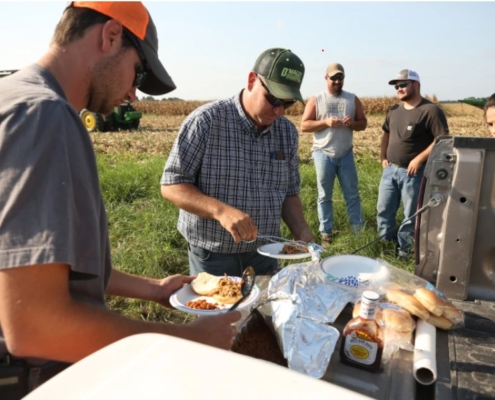
For many, quality time stands as a testament to genuine care and attention. In the fast-paced environment of a farm, taking the time to engage with team members individually can make a significant difference. Whether it’s a one-on-one during a tractor ride or a team lunch, these moments are opportunities to connect beyond work tasks. Discussing not just work but personal interests and concerns fosters a human-to-human connection that can enhance job satisfaction and commitment. Remember, it’s not always about the work; it’s about showing that you value them as individuals.

Love Language #3:

Receiving Gifts: Understanding the Limits of Monetary Incentives


5 Love Languages for Farm Teams - Receiving Gifts

Recognising the limitations of monetary compensation as a motivator is crucial, despite its importance. Relying solely on financial rewards may initially boost performance, yet their impact tends to plateau or even diminish over time. This underscores the importance of addressing the deeper needs and love languages of your team members. True motivation and satisfaction extend beyond financial incentives, deeply rooted in recognition, personal growth, and a sense of belonging. Thoughtful gestures—like customising work apparel with the farm’s logo, providing gift cards from local suppliers, or granting a day off during slower seasons—effectively transcends the value of financial compensation, showcasing a commitment to the multifaceted aspects of team motivation.

Love Language #4:

Acts of Service: Demonstrating Care Beyond Words

5 Love Languages for Farm Teams - Acts of Service

Acts of service, such as jumping in to help with tasks during peak seasons, taking the time to renovate a team member’s house on your farm or improving workplace amenities, speak volumes about the value and respect a farm leader has for their team. These gestures show a commitment to not just the business’s success but to the well-being and satisfaction of the team. When leaders go out of their way to enhance their team’s quality of life, loyalty and motivation often follow.

Love Language #5:

Physical Touch: The Power of a Personal Touch

5 Love Languages for Farm Teams - Physical Touch

 In a good work environment, appropriate physical gestures, such as a handshake, a pat on the back, or a simple nod of appreciation—combined with engaging conversation and intentional eye contact, can reinforce positive feedback and acknowledgment. These gestures, when used judiciously and respectfully, can strengthen the personal connection and appreciation between farm managers and their team members. It’s a reminder of the personal touch in every achievement and acknowledgment.

Incorporating the five love languages into team management practices offers a multifaceted approach to leadership in the agricultural sector. By understanding and applying these principles, farm leaders can create a more engaging, supportive, and productive work environment. This approach not only benefits the individual team members but also contributes to the overall success and sustainability of the farm. Embracing these languages can transform routine interactions into opportunities for meaningful engagement, ultimately fostering a culture of appreciation, respect, and mutual growth.

Dive deeper into the ‘5 Love Languages‘ and explore additional, practical examples to seamlessly integrate them into your farm management practices. Uncover your own primary love language and gain insights on how to leverage this understanding to foster a stronger, more cohesive team. Download our guide to ‘5 Love Languages for Farm Teams‘ now and start transforming your farm’s work environment today.

If you found this article helpful, share it with your network to help others unlock their farming potential. Don’t forget to like and follow us on social media for more insightful tips: Facebook, Instagram, and LinkedIn. Let’s empower more farmers together!

As a farm owner or manager, you wear many hats, juggling the demands of daily operations with the long-term vision for your farm. It’s a role that requires not just knowledge of agriculture but also strong leadership skills to guide your team towards success. But let’s be honest, the journey to becoming an effective leader isn’t always straightforward. It’s filled with challenges that test your resilience, adaptability, and determination. This guide is here to help you navigate that journey, offering practical advice and simple strategies to enhance your leadership skills. These aren’t just tips; they’re the secrets behind the sustained growth of the most successful farm owners. By focusing on personal growth and leveraging business coaching for farmers, you can unlock new levels of confidence and capability, leading your farm to thrive in today’s competitive and ever-changing agricultural landscape.

Secrets of Successful Farm Owners for Sustained Growth

1. Read Widely (or Listen):

Embrace the wealth of knowledge available in books, eBooks, or audiobooks on leadership, management, and agricultural trends. If sitting down with a book isn’t your style, audiobooks are a fantastic alternative, allowing you to learn on the go. Expanding your understanding in these areas can inspire new approaches to the challenges you face, providing fresh perspectives that are essential for growth and innovation on your farm. Successful farm owners often attribute their growth to continuous learning.

2. Tune into Podcasts:

Podcasts offer an accessible way to absorb insights and advice from leaders in agriculture and beyond. Whether you’re working in the barn or driving to shops in the town, listening to episodes can motivate you and provide practical solutions for improving your leadership and farm management practices.

3. Find a Mentor:

Connecting with a mentor or engaging with a leadership coach who has a background in agriculture can offer you personalised advice and support. This one-on-one guidance is invaluable for navigating the unique challenges of the farming industry. Additionally, consider joining peer mentoring groups to share experiences and learn from fellow farm owners. Successful farm owners often highlight the importance of mentorship in their journey.

4. Join Workshops and Webinars:

Participating in workshops, seminars, and webinars focused on leadership and farm management can broaden your skill set and introduce you to a community of like-minded individuals. These opportunities for learning and networking can be incredibly beneficial, whether attended in person or accessed online for convenience. Attending such events to stay ahead in the industry.

5. Reflect and Set Goals:

Regular self-reflection on your leadership style, strengths, and areas for improvement is crucial. By setting specific, achievable goals for both your personal development and the progress of your farm, you can maintain a clear direction and measure your growth over time.

As a farm owner or manager, especially with a team depending on you, leadership is a journey of continual learning and growth. Committing to enhance your leadership skills can lead your farm to success, ensuring its sustainability and prosperity. This guide is your springboard, with simple steps to start strengthening your leadership today.

Take that first small step in your daily routine—it could be anything you believe will benefit you and your farm. Even small changes when repeated can lead to significant achievements. We know the farming life is full of highs and lows, but you’re not alone in this. A mentor who truly understands farming can offer the tailored advice you need, guiding you through challenges. It’s about finding a partner who knows the land and can provide the support you need to succeed.

Why not schedule a free Discovery Call with one of our experienced Farmer Coaches today? Learn the strategies that successful farm owners use to thrive.

If you found this article helpful, share it with your network to help others unlock their farming potential. Don’t forget to like and follow us on social media for more insightful tips: Facebook, Instagram, and LinkedIn. Let’s empower more farmers together!

In the ever-demanding world of agriculture, where the lines between dawn and dusk often blur, maintaining a healthy work-life balance in farming can seem unattainable for many farmers. The relentless cycle of planting, tending, and harvesting, coupled with the round-the-clock care of animals, is compounded by the unpredictable whims of nature and market fluctuations. Therefore, these factors can lead to long hours in the field or home office, leaving little time for personal life, family, and rest. This imbalance doesn’t just affect your personal well-being; it also impacts the productivity and sustainability of your farming practice.

Moreover, the primary challenges that you might be facing in achieving work-life balance in farming include unpredictable weather patterns disrupting work schedules, the pressure to meet market demands, the physical toll of manual labor, and the isolation that comes with rural living. As a result, these factors can lead to stress, burnout, and a sense of being perpetually overwhelmed, making it difficult for you to find time for yourself and your family.

To help you combat these challenges, here are set of simple, directly actionable strategies that require minimal resources or time to implement:

1. Daily “Silent Start” Routine:

Start each day with a 15-minute “silent start.” Before your day’s work begins, spend this time in silence, meditating, practicing deep breathing, walking without your mobile or simply enjoying a cup of coffee in peace. Indeed, this practice can center your thoughts and prepare you mentally and emotionally for the day ahead. Implementing this routine can be a step towards better work-life balance in farming.

2. Weekly Family Farm Tours:

Dedicate an hour each week to lead a family farm tour, showcasing what you’ve been working on, explaining the farming processes, and discussing the plants and animals. This not only educates your family but also creates a shared experience that enriches family bonds without the pressure of work tasks. By involving your family in your daily routine, you foster a sense of understanding and support.

3. Monthly Local Farmer Meetups:

Organise or participate in a monthly meetup with local farmers. This could be a casual coffee meet-up, a roundtable discussion, or a problem-solving session. Additionally, the goal is to share experiences, offer advice, and discuss challenges and successes in a supportive environment. These gatherings can provide much-needed social interaction and a break from the routine, as well as opportunities to learn from others who face similar challenges.

4. Quarterly “Farm-Free” Weekends:

Plan and commit to spending one weekend every quarter completely away from farm work. This could involve a short family trip, a staycation, or engaging in a local event. The key is to ensure these weekends are marked in advance and work is adjusted accordingly to make them possible.

5. Annual “Non-Farm” Goal Setting:

Each year, set specific goals unrelated to farming. These could be related to personal health (e.g., running a half marathon), learning a new skill or hobby (e.g., photography, cooking classes), or personal development (e.g., reading 12 books a year). Make these goals visible and track progress to ensure they receive attention throughout the year.

6. Implement a “Work Shutdown” Ritual:

Create an end-of-day ritual to formally mark the end of farm work. This could involve cleaning and storing tools in a specific way, taking a final walk around the farm, or simply closing the farm office door. This ritual helps you mentally transition from work to personal time, reinforcing the importance of separation for work-life balance. By establishing a clear boundary between work and personal time, you can better manage stress and maintain a healthier lifestyle. This practice is crucial for work-life balance in farming.

Achieving harmony between work and life in agriculture demands deliberate action, thoughtful planning, and openness to change and seeking support. Therefore, by embracing these strategies, you can nurture not only your crops and livestock but also a rich, balanced life.

Are you ready to plant the seeds of balance in your life and harvest the fruits of well-being and productivity? Enable Ag is here to support your journey toward a healthier work-life equilibrium. Download our free ‘Farmers’ Ultimate Freedom Checklist’  to kickstart your quest for work-life harmony, we can cultivate a lifestyle that thrives.

If you found this article helpful, share it with your network to help others unlock their farming potential. Don’t forget to like and follow us on social media for more insightful tips: Facebook, Instagram, and LinkedIn. Let’s empower more farmers together!

In the vast landscapes of farming, where the rhythm of nature sets the pace, there’s an evolving need to view your farm not just as land but as a business venture. As Australian farmers, you face unique challenges – market fluctuations, sustainability concerns, financial intricacies, and the timeless juggling act of farm and family. This is where Enable Ag steps in with a guiding hand, offering you a way to harmonise your farming passion with proven business strategies. Welcome to the world of business coaching for farmers – a path to cultivate your family farm’s true potential.

Understanding the Role of Business Coaching for Farmers

Business coaching isn’t about replacing your farming wisdom; it’s about enhancing it. Imagine being equipped with insights and strategies that empower you to make informed decisions, navigate market dynamics, and optimise your farm’s operations. At Enable Ag, we believe that by cultivating a business-oriented mindset, you can sow the seeds of sustainability and reap the fruits of profitability.

The Unique Challenges of Farming as a Business

We understand the intricate dance of factors that shape your farm’s journey. From financial intricacies to the delicate balance of nurturing the land and nurturing your family, each step comes with its own set of challenges. Our business coaching is tailored to address these challenges head-on. Whether it’s managing cash flow, mitigating risks, or strategising for a prosperous future, our expertise meets your farm’s distinct needs.

How Enable Ag’s Business Coaching Works

Enable Ag’s approach to business coaching is as unique as your farm. Our Time-Freedom Coach collaborates closely with you, delving into the heart of your operation. We analyse your strengths, challenges, and goals to craft a strategy that aligns with your vision. This isn’t a one-size-fits-all solution – it’s a partnership crafted to yield tangible, personalised results.

Benefits of Business Coaching for Farmers

Picture a future where your farm thrives as both a passion and a business. With Enable Ag’s coaching, that future becomes reality. Our Time-Freedom Program focuses on developing the mindset to free up your time, streamline operations to increase productivity, and reduce stress to restore balance in your life, both on and off the paddock. It’s not just about today; it’s about creating a legacy of farming excellence that spans generations.

Leveraging Systems and Innovation

In today’s world, innovation is the heartbeat of progress. With the right systems as our ally, we infuse data analytics, automation, and modern tools into our coaching process. These advancements aren’t meant to replace your hands-on approach but to amplify your impact. Think of it as combining the wisdom of tradition with the power of proven strategies to better leverage your time and resources.

Empowering Farmers for Long-Term Success

Your farm is more than just a business; it’s a legacy. Enable Ag’s business coaching doesn’t just focus on short-term gains; it’s about setting the stage for long-term success. Imagine passing down not just a piece of land but a thriving, resilient business that stands the test of time. Another challenge we often see Aussie farmers have is to align their goals with their children’s ambitions. That’s why we adopt a holistic approach to coaching that involves your family as well, to ensure the results are aligned with everyones values and goals.

Getting Started with Enable Ag’s Business Coaching for Farmers

Embarking on the journey of business coaching is simpler than you think. Reach out to us, and let’s have a conversation. We offer a 15-minute Discovery Call to understand your farm’s unique needs. Together, we’ll chart a course that aligns your passion with proven business strategies and the mindset shift required to reclaim your time.

As Aussie farmers, you’re the stewards of the land and the architects of your farm’s future. Business coaching isn’t about changing who you are; it’s about enhancing what you do. At Enable Ag, we’re here to support you in cultivating your farm’s potential, nurturing your dreams, and ensuring that your hard work reaps not just rewards but a lasting legacy.

Ready to explore how the Time-Freedom Program can transform your farm? Click here to learn more and schedule your Discovery Call today.