
Articles related to: enable ag blog

Every farm owner dreams of the day they can walk away from their phone for a few hours—or a few days—without worrying that everything will grind to a halt.

But here’s the truth: that peace of mind doesn’t come from cloning yourself. It comes from building a problem-solving farm team that knows what to do, when to do it, and how to move forward without waiting for you to step in.

Let’s talk about how to get there.

The Real Cost of Being the Fixer

If your team looks to you for every answer, it may feel good in the moment—but it’s unsustainable. You become the bottleneck, the only decision-maker, and the permanent emergency contact.

You’re not just wearing too many hats. You’re holding all the keys.

And eventually, that pressure shows up as:

  • Burnout
  • Slower progress
  • Delayed decision-making
  • Frustrated team members who never get to grow

The solution? Start building a problem-solving farm team—one that doesn’t just do what they’re told, but thinks ahead and takes ownership.

Step 1: Define Ownership, Not Just Tasks

Delegating a task is helpful. Delegating ownership is transformational.

Instead of telling someone what to do and when, shift to outcome-based leadership. Ask:

  • What does success look like for this area?
  • Who is responsible for maintaining it?
  • How will we review and improve it?

Give your team real decision-making power within a clear framework. That’s how ownership sticks.

Step 2: Build the Right Structures

Problem-solving doesn’t happen in a vacuum. It needs the right environment to thrive.

Here are three structural supports to put in place:

  1. Weekly Planning Meetings
    Give your team visibility and voice. Review what’s coming up, raise roadblocks, and decide who’s owning what.
  2. Clear SOPs
    You can’t solve problems if no one knows the process. Start building simple, visual SOPs that team members can reference (and improve).
  3. Decision-Making Filters
    Teach your team how you think. Whether it’s cost, safety, or efficiency—share the filters you use so others can apply the same logic.

Step 3: Expect—and Embrace—Mistakes

Want a team that takes initiative? Then let them make mistakes. Better yet, build a culture where learning from mistakes is the norm.

Here’s how:

  • When something goes wrong, debrief together.
  • Ask what systems broke down—not just who made the error.
  • Celebrate learnings and corrections, not just wins.

This is how you normalise problem-solving—and make it feel safe.

Step 4: Shift From Answer-Giver to Coach

The next time someone brings you a problem, try this:

Instead of:
“Let me take care of it.”

Say:
“What do you think we should do?”

This one question rewires your role. You stop being the hero. You become the coach. And that’s what building a problem-solving farm team is all about.

Step 5: Recognise Leadership Early

The people who take initiative often do so quietly. Don’t wait until someone burns out or quits to recognise their contribution.

Look for:

  • Who notices problems before they escalate?
  • Who brings ideas instead of just updates?
  • Who follows through without being asked twice?

These are your emerging leaders. Invest in them.
This Isn’t About Letting Go. It’s About Stepping Up.

You don’t need to disappear to prove your team can function without you. But you do need to stop hovering.

Building a problem-solving farm team is your path to a more resilient business—and a more balanced life.

You’ll stop being the bottleneck. And your team will start becoming the engine.

Want Support to Make It Happen?

If you’re ready to go from “I’ll do it” to “They’ve got it covered,” our team at Enable Ag is here to help. Click here for a personalised guidance.

If you found this article helpful, share it with your network to help others unlock their farming potential. Don’t forget to like and follow us on social media for more insightful tips: FacebookInstagram, and LinkedIn. Let’s empower more farmers together!
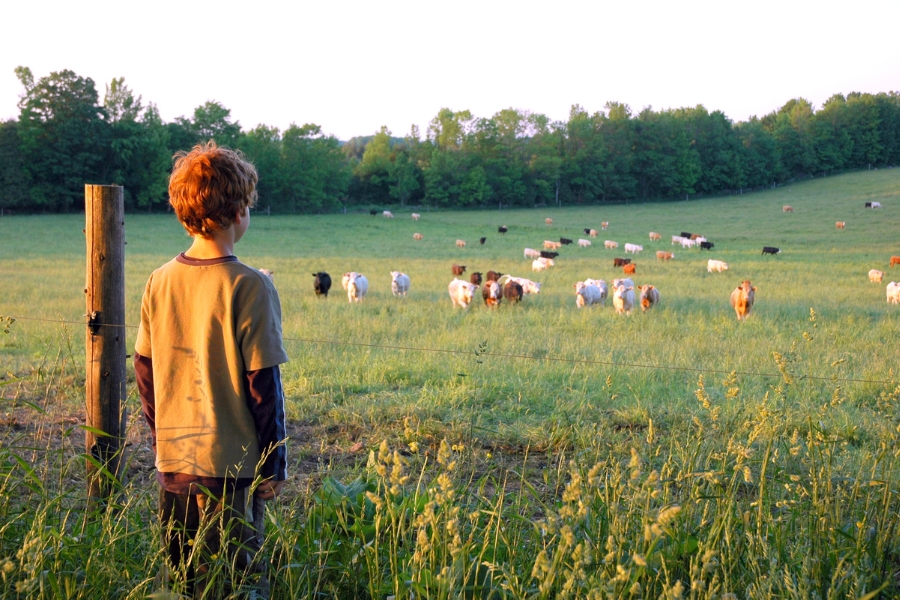
“If our children don’t want our farms, maybe it’s not the farm they’re rejecting—it’s the version of life they see us living.”

We’re standing at a generational crossroads in farming. For many of today’s farm parents, especially those with small to medium-sized teams, the work isn’t the problem—it’s the weight of it. Long hours, unending decisions, managing team expectations, and holding everything together… all while wondering whether the next generation even wants what’s being built.

Gen Z and Gen Alpha aren’t just different—they’re driven by different values. They crave freedom, flexibility, identity, and meaning. They don’t just want to inherit a farm—they want to inherit a life that makes sense in today’s world.

So, the real question is: What are we truly handing over? A business… or a burden?

A New Generation, A New Set of Expectations

Your kids aren’t rejecting farming—they’re rejecting chaos disguised as commitment. They’re not lazy. They’re discerning. They want: systems that make life easier, not harder, autonomy without micromanagement, meaningful work that aligns with their identity—not a life sentence to busyness. This isn’t rebellion—it’s realignment. And it’s your opportunity to lead, not just manage.

What the New Generation Wants to See in Their Family’s Farm

Think of your children or younger team members walking into your world. What would they see?

Manual processes that drain time?

Confusion over who’s responsible for what?

Repetition of tasks that could be delegated or systemised?

A parent constantly on edge, unavailable emotionally—even if present physically?

What the New Generation Wants to See:

A farm that runs like a business, not like a never-ending emergency.

Roles that are clearly defined and supported by structure.

A place where innovation, systems and people co-exist.

A leader who is free—not just busy.

How We Help Parents Build Farms Their Kids Actually Want to Inherit

At Enable Ag, we’ve worked with farm families all over Australia to shift from reactive chaos to intentional design.

Our Farmers’ Time-Freedom Program focuses on three key areas:

  1. Personal Upskilling – Helping farmers reclaim time, lead intentionally, and create new habits—because mindset is the multiplier.
  1. Team Culture – We guide farmers to create the kind of team environment where clarity, ownership, and accountability are the norm—by equipping them with the right strategies, tools, and meeting structures to make it happen.
  1. Systems Approach – From structured digital file management, to task delegation tools, to building a centralised system where all your SOPs live—we help you design a streamlined backend that removes clutter, reduces repetition, and enables freedom.

The result? A farm that isn’t just functional—but future-ready. One your children want to be part of.

Three Questions Every Farm Parent Must Ask Now

Take a quiet moment. Ask yourself:

  1. If I gave the farm to my child tomorrow, would they feel liberated or locked in? (Be honest—would they see it as a meaningful step forward or a step back into chaos?)
  1. What parts of my daily work would they find outdated, inefficient, or unnecessary? (This reveals exactly where you can start modernising your operation and mindset.)
  1. What story is my life telling them about farming right now? (Are you living the kind of life you’d want them to live?)

This Isn’t About Guilt—It’s About Legacy

Farming is noble. But nobility without evolution becomes nostalgia.

The new generation don’t need you to be perfect. They need you to be progressive.

  • They need to see that:
  • You’re willing to adapt.
  • You’re not clinging to outdated systems.

You believe in a version of farming that includes time for family, creativity, and joy—not just tasks.

Closing Punch: You’re Not Handing Over a Farm—You’re Handing Over a Future

So let’s make it one they’ll be proud to inherit.

At Enable Ag, we don’t just help you systemise your farm. We help you reclaim your time, reconnect with your values, and rebuild a vision your kids actually want to be part of.

Let’s build your legacy—one hour of freedom at a time.

Book your free Discovery Session now and trace a future worth passing on.

If you found this article helpful, share it with your network to help others unlock their farming potential. Don’t forget to like and follow us on social media for more insightful tips: FacebookInstagram, and LinkedIn. Let’s empower more farmers together!

At Enable Ag, we work with farmers who are ready for something more—more clarity, more control, and more time for what matters. But there’s one thing every successful transformation has in common: discomfort. And not the loud, dramatic kind. The quiet, creeping discomfort of stepping into the unknown, challenging old beliefs, or handing over a task you’ve done for 20 years.

Discomfort isn’t your enemy. It’s your invitation to lead better.

Discomfort as a Mirror, Not a Monster

Many farmers we meet are caught in a loop: working harder, not smarter. When you’re always in firefighting mode, it’s hard to stop and reflect. But the first question we ask is: What’s really keeping you stuck?

It’s not lack of systems or time. It’s mindset. It’s the fear of letting go. Of not being needed. Of making the wrong call. Discomfort points to the story you’re still living—whether it’s “I have to do it all” or “no one else can do it right.” Pause here. What belief are you holding onto?

Your Nervous System is In the Driver’s Seat

Here’s the truth: Leadership isn’t just about decisions—it’s about managing your nervous system. Fear shows up as tension in the jaw, a quick temper in meetings, or that Sunday-night dread. You can’t think clearly when your body is on high alert.

Try this: Stop. Take a breath. Notice the tension. Ask yourself: What’s the smallest uncomfortable step I can take that still feels safe enough to act on?

Start Small. Delegate One Task. Create One SOP.

This is what we call activating the growth zone. You don’t need to overhaul your farm overnight. Choose one area—just one—where you can stretch. Maybe it’s finally setting up a task management system. Maybe it’s inviting your son or daughter into a team meeting and letting them take the lead. Maybe it’s taking a 2-week break—and letting the systems speak for themselves.

Here’s a true story. A fourth-generation farmer in Gippsland, Vic, hadn’t taken more than a long weekend off in over a decade. Through the Farmers’ Time-Freedom Program™, he introduced a weekly planner and delegated three core systems. Two months later, he stepped away for a 14-day break—with confidence, not guilt. “I didn’t just leave,” he told us. “I came back with ideas. Clarity.”

The Positive Effect of Discomfort

Discomfort doesn’t just grow you—it gives permission to others. When you step back, you empower your team to step up. You build trust, communication, and resilience into your culture. You stop being the bottleneck. You start being the leader, not just the manager.

This is where Enable Ag shines. Our 3-part methodology—Personal Upskilling, Team Culture, Systems Approach—is designed to create lasting change. Not just in what you do, but how you think.

The Real Legacy Is How You Lead

Whether you’re preparing for succession or still deep in day-to-day operations, discomfort will show up again and again. But what if that discomfort is actually the next version of your farm—and your life—trying to emerge?

Don’t retreat. Reflect. Reframe.

This is your opportunity to build a business that thrives without you at the centre of every decision. A farm that your children want to inherit. A lifestyle where you finally have time for what truly matters.

Next Step: Don’t Just Read This—Act

If you’re ready to lean into your growth zone, let’s make it practical.

✅ Download the Farmers’ Ultimate Freedom Checklist.

🗓️ Book a 15-minute Discovery Call – reach out for support on how to create your first delegation roadmap or weekly planner.

Discomfort is a doorway. Let’s walk through it together.

If you found this article helpful, share it with your network to help others unlock their farming potential. Don’t forget to like and follow us on social media for more insightful tips: FacebookInstagram, and LinkedIn. Let’s empower more farmers together!