
The Family Meeting Framework: How to Talk About the Future Without Starting a Fight
 Enable Ag
Most farming families avoid meetings until something blows up.
Then it’s too late for calm decisions — and too easy for old frustrations to take over.
But it’s not the topic that causes tension. It’s the structure.
Succession. Land use. Investment. Roles. Retirement.
These aren’t bad conversations — but without a proper framework, they go sideways fast.
This isn’t about group therapy. It’s about having a clear process that keeps the discussion focused, respectful, and productive — even when there’s history in the room.
Free Download
Farmers' Ultimate Freedom Checklist
Unleash the Full Potential of Your Family Farm, Boost Productivity, and Create Freedom of Time for Your Farm and Life.
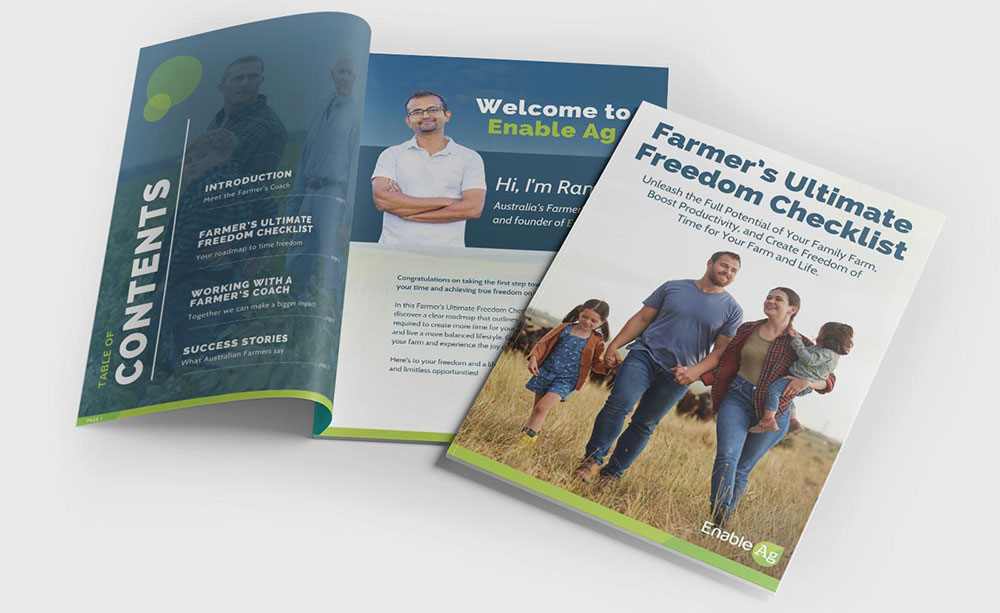 Download Free Checklist
Here’s a simple framework any farm family can use to talk about the future without turning it into another argument.
Choose the Right Meeting Type
Not every conversation is about decisions. Some are about listening.
Some are about planning. Some are about timing.
Label it clearly.
Examples:
- Update: Sharing what’s happening, no decisions
- Discussion: Gathering input, open-ended
- Decision: Reaching an agreement
- Review: Reflecting on past actions or decisions
Everyone walks in knowing what’s expected — and what’s not.
No more “surprise decisions” or side-agendas.
Decide Who’s Running the Family Meeting
It doesn’t have to be the oldest, or the owner, or the loudest.
It needs to be someone who:
- Keeps things on time
- Brings people back when things drift
- Doesn’t let one voice dominate
- Sticks to the agenda
Sometimes that’s a neutral third party. Sometimes it’s a trusted family member. The role matters more than the person.
Facilitation protects the conversation — and the relationships.
Set a Clear Agenda (With One Primary Focus)
The biggest mistake? Trying to cover everything in one go.
Keep it tight:
- One main topic
- Two or three sub-questions
- One decision or next step
Share the agenda before the meeting. Let people think, prepare, or cool off if needed.
Set Ground Rules Everyone Agrees To
Simple, repeatable rules that create safety.
Examples:
- One person speaks at a time
- No interrupting
- Stay on topic
- Phones off
- No personal attacks
- Decisions by consensus or clear process
Agree on these before things get heated — not after.
Rules aren’t about control. They’re about protecting respect.
Use a “Round First” Format to Start
Let everyone speak once before the open discussion begins.
You go around the room, each person shares:
- What they’re thinking
- What they need
- Any concerns
No interruptions. No debate yet. Just voice.
This avoids hijacking the meeting in the first five minutes — and makes sure quieter voices get heard.
Track Agreements and Parking Lot Items
During the meeting, capture:
- What’s been agreed
- What still needs more time
- What’s important, but not for today
This keeps the conversation clean. You’re not deciding succession and building upgrades and job titles in one go.
📋 Use a whiteboard, a doc on screen, or just a simple notepad visible to all.
Decisions stick better when they’re written down together.
 End Family Meeting With a Wrap-Up and Next Step
Every meeting finishes with:
- A recap of agreements
- One or two action steps
- Who’s doing what
- When the next check-in is
If the meeting just ends and everyone drifts off — nothing sticks. You’re back to confusion next time.
Clarity after the meeting matters as much as calm during it.
Don’t Try to Solve Everything in the Room
Some issues need outside help:
- Financial modelling
- Legal structures
- Mediation
- Coaching or leadership support
There’s no shame in calling in experts. What matters is that the family agrees on when and why — and that it’s not framed as a personal failure.
Start With a Framework, Not a Fight
This isn’t about having perfect relationships.
It’s about creating a repeatable structure that gives every voice a fair go — and gives the farm a chance to move forward, not just in circles.
One hour. One topic. One outcome.
That’s a real family meeting.
Want a Calm Way to Start The Family Meeting?
The Enable Ag newsletter shares practical tools for running smarter meetings, setting up shared systems, and managing farm handovers without emotional fallout.
Clear plans. Better conversations. Stronger outcomes — without the drama.
If you found this article helpful, share it with your network to help others unlock their farming potential. Don’t forget to like and follow us on social media for more insightful tips: Facebook, Instagram, and LinkedIn. Let’s empower more farmers together!

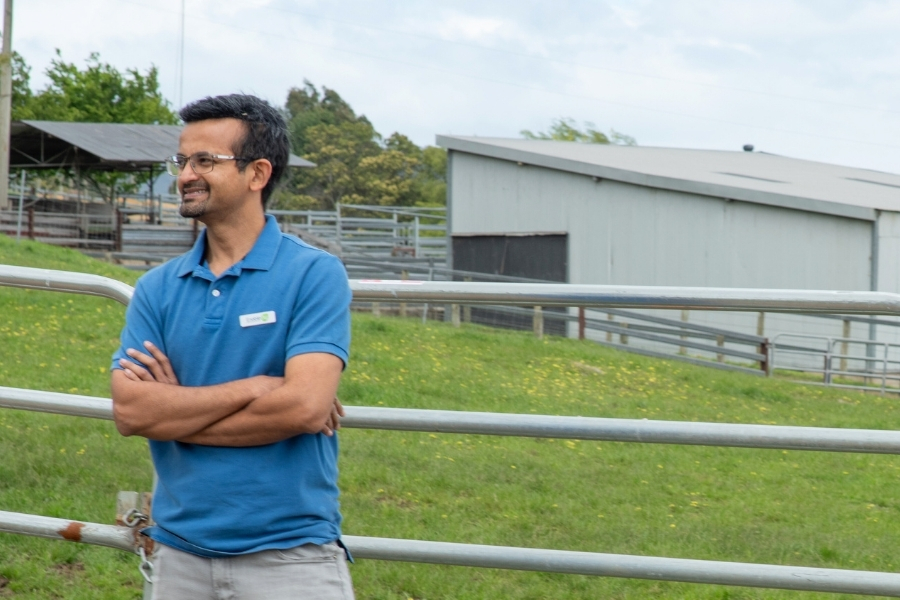
Ram is the founder and director of Enable Ag an agriculture consultancy dedicated to helping farmers across Australia create the time and freedom they deserve after generations of hard work. Enable Ag’s ‘Time-Freedom Program‘ is a new and unique approach that empowers farmers to reclaim their time by implementing tailored strategies, systems, and support to optimise their farm operations and achieve a more balanced lifestyle.
 Enable Ag
 Enable Ag
 Enable Ag
 Enable Ag
 Enable Ag
 Enable Ag