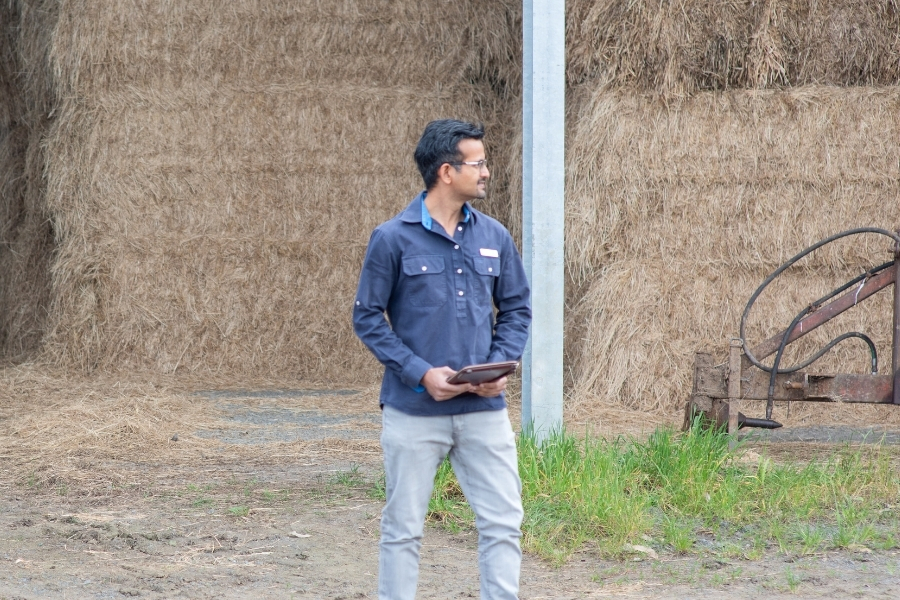
Australian farming has never lacked hard work. 

What it’s gained over the last few decades is scale, technology, access to markets, and more information than previous generations could have imagined. 

And yet, when you speak with farmers today, a familiar theme emerges: 

“Time still feels just as scarce.” 

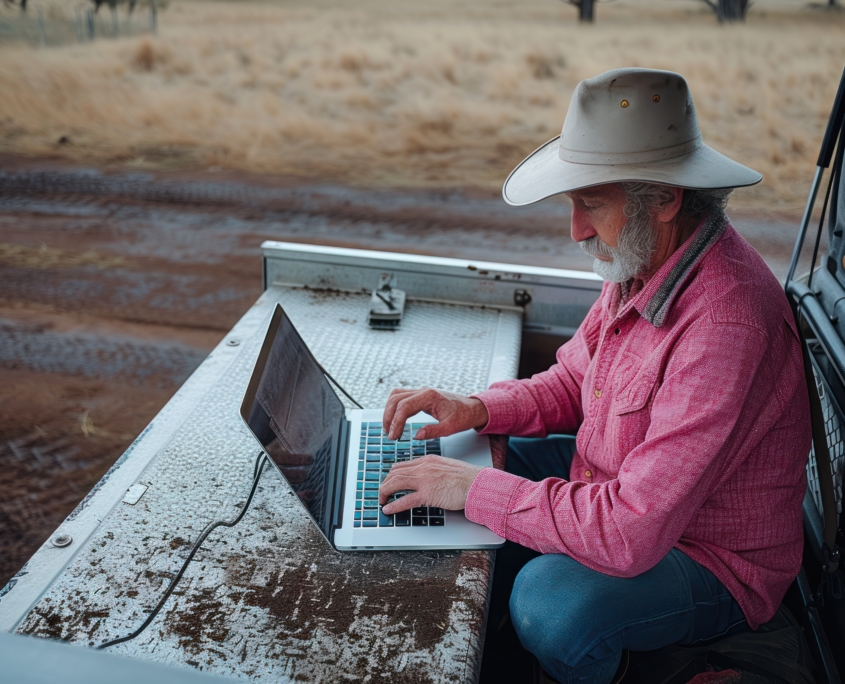
Despite better machinery, faster communication, and improved productivity, many farmers feel permanently “on.”
Mentally occupied. Constantly thinking ahead. Struggling to switch off — even when the workday is done. 

Which raises a hard question: 

If so much has improved, why hasn’t time?  

Bigger Operations, Smaller Margins for Life 

Farming has always carried a degree of isolation. 

Properties are spread out. Neighbours are distant. Connection requires effort. 

As farms have grown more successful, that isolation has deepened. 

  • Homes are larger 
  • Sheds are better equipped 
  • Machinery is more sophisticated 

But many farmers feel more tied to the business than ever.
Success has delivered comfort — but often at the cost of freedom. 

Not because farmers don’t value time or family, but because the structure of the work no longer allows space for either. 

What Money Is Actually Good For 

Money is powerful — but not because of what it buys materially. 

The highest value money offers is control — particularly control over time. 

  • Time to be present with family 
  • Time for unstructured days 
  • Time to create memories, not just manage operations 

Yet many farmers work incredibly hard to build financial stability — only to find they can’t use it for what matters most. 

Work quietly fills every available gap. 

Farming Has Become a Thinking Job 

John D. Rockefeller, one of the most successful business figures in history, was famously quiet. He once said: 

“The ability to deal with people is as purchasable a commodity as sugar or coffee. And I pay more for that ability than for any other under the sun.” 

He understood that his job was cognitive — not physical. His value was in thinking clearly under pressure. 

Modern farming increasingly looks the same. 

Today’s farmers aren’t just producing. They’re: 

  • managing risk 
  • coordinating people 
  • navigating compliance 
  • analysing markets 
  • making daily high-stakes decisions 

When the primary tool is your mind, work follows you home. 

When the Farm Lives in Your Head 

Many farmers don’t work more hours than previous generations.
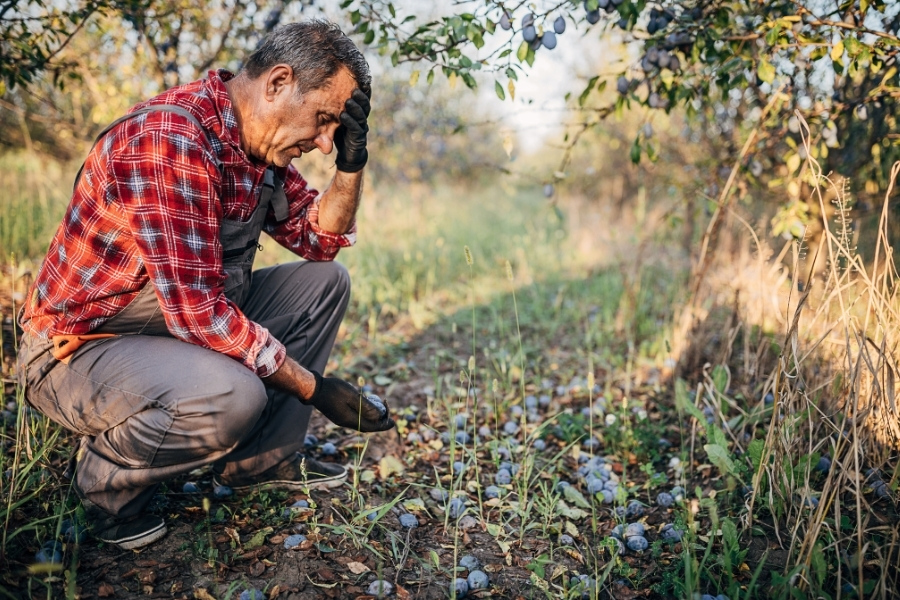
But they feel more exhausted. 

That’s because mental load doesn’t switch off. It shows up as: 

  • replaying decisions late at night 
  • worrying about what might go wrong 
  • holding contingency plans mentally 
  • carrying responsibility 24/7 

You’re not just working.
You’re buffering the business. 

This isn’t a failure of effort.
It’s a structure issue. 

A Question That Changes Everything 

We often ask farmers this early on: 

  • How much was your dad earning? 
  • How much technology did he have? 
  • What were market prices like? 

Then we ask: 

“How much time did he spend working compared to you?” 

Almost always, the answer is: “About the same.” 

Despite the gains in tools, access, and efficiency — time hasn’t improved. 

Which means the issue isn’t technology.
It’s how complexity is managed. 

Structured Work Enables Unstructured Life 

There’s a common misconception that structure removes freedom. 

In reality, structure is what contains work. 

Without clear systems, decisions, and rhythms, work expands endlessly. 

If farmers want: 

  • Unstructured time with family 
  • Flexible days 
  • The ability to say “yes” to the moments that matter 

Then the business needs structure. 

Structure is what creates unstructured life. 

The Real Measure of Progress 

Success isn’t just about: 

  • higher output 
  • nicer infrastructure 
  • stronger financials 

It’s about whether the business lets the people within it live well. 

Money can buy many things.
But the greatest return it offers is control over your time. 

When success delivers comfort but removes freedom, that’s not a failure.
It’s a signal. 

The next stage of farming isn’t just producing more. 

It’s designing a business that serves the life you want. 
Where Enable Ag Fits 

At Enable Ag, we help farmers reclaim time — not just increase output. 

We do that by: 

  • reducing mental load 
  • designing structure that protects headspace 
  • teaching systems that grow freedom, not friction 
  • showing you how to use technology to simplify, not complicate 

Because the ultimate return on your success isn’t another asset. 

It’s time. 

Download: Time-Freedom Checklist 

Success doesn’t mean you should feel trapped in your own business. 

Our Time-Freedom Checklist helps farm owners identify where time is leaking — and how to fix it. 

 Reduce invisible load
 Create structure that protects your time
 Build a business that doesn’t follow you home 

👉 Get it free here 

If you found this article helpful, share it with your network to help others unlock their farming potential. Don’t forget to like and follow us on social media for more insightful tips: FacebookInstagram, and LinkedIn. Let’s empower more farmers together!
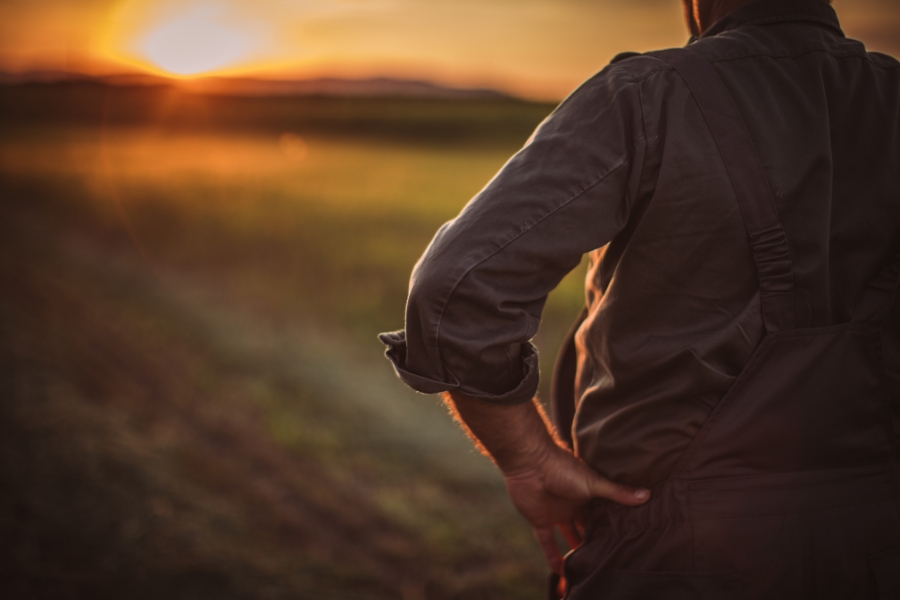
At Enable Ag, we work with farmers who are ready for something more—more clarity, more control, and more time for what matters. But there’s one thing every successful transformation has in common: discomfort. And not the loud, dramatic kind. The quiet, creeping discomfort of stepping into the unknown, challenging old beliefs, or handing over a task you’ve done for 20 years.

Discomfort isn’t your enemy. It’s your invitation to lead better.

Discomfort as a Mirror, Not a Monster

Many farmers we meet are caught in a loop: working harder, not smarter. When you’re always in firefighting mode, it’s hard to stop and reflect. But the first question we ask is: What’s really keeping you stuck?

It’s not lack of systems or time. It’s mindset. It’s the fear of letting go. Of not being needed. Of making the wrong call. Discomfort points to the story you’re still living—whether it’s “I have to do it all” or “no one else can do it right.” Pause here. What belief are you holding onto?

Your Nervous System is In the Driver’s Seat

Here’s the truth: Leadership isn’t just about decisions—it’s about managing your nervous system. Fear shows up as tension in the jaw, a quick temper in meetings, or that Sunday-night dread. You can’t think clearly when your body is on high alert.

Try this: Stop. Take a breath. Notice the tension. Ask yourself: What’s the smallest uncomfortable step I can take that still feels safe enough to act on?

Start Small. Delegate One Task. Create One SOP.

This is what we call activating the growth zone. You don’t need to overhaul your farm overnight. Choose one area—just one—where you can stretch. Maybe it’s finally setting up a task management system. Maybe it’s inviting your son or daughter into a team meeting and letting them take the lead. Maybe it’s taking a 2-week break—and letting the systems speak for themselves.

Here’s a true story. A fourth-generation farmer in Gippsland, Vic, hadn’t taken more than a long weekend off in over a decade. Through the Farmers’ Time-Freedom Program™, he introduced a weekly planner and delegated three core systems. Two months later, he stepped away for a 14-day break—with confidence, not guilt. “I didn’t just leave,” he told us. “I came back with ideas. Clarity.”

The Positive Effect of Discomfort

Discomfort doesn’t just grow you—it gives permission to others. When you step back, you empower your team to step up. You build trust, communication, and resilience into your culture. You stop being the bottleneck. You start being the leader, not just the manager.

This is where Enable Ag shines. Our 3-part methodology—Personal Upskilling, Team Culture, Systems Approach—is designed to create lasting change. Not just in what you do, but how you think.

The Real Legacy Is How You Lead

Whether you’re preparing for succession or still deep in day-to-day operations, discomfort will show up again and again. But what if that discomfort is actually the next version of your farm—and your life—trying to emerge?

Don’t retreat. Reflect. Reframe.

This is your opportunity to build a business that thrives without you at the centre of every decision. A farm that your children want to inherit. A lifestyle where you finally have time for what truly matters.

Next Step: Don’t Just Read This—Act

If you’re ready to lean into your growth zone, let’s make it practical.

✅ Download the Farmers’ Ultimate Freedom Checklist.

🗓️ Book a 15-minute Discovery Call – reach out for support on how to create your first delegation roadmap or weekly planner.

Discomfort is a doorway. Let’s walk through it together.

If you found this article helpful, share it with your network to help others unlock their farming potential. Don’t forget to like and follow us on social media for more insightful tips: FacebookInstagram, and LinkedIn. Let’s empower more farmers together!

Farm events, conferences, field days, and networking gatherings are invaluable opportunities for farmers. Whether hosted on your farm or elsewhere, these events offer a rare chance to gain fresh insights, build meaningful connections, and bring back innovative ideas. Beyond just knowledge, they help improve efficiency, enhance profitability, and spark changes that can reshape your farm’s future. But let’s be honest—stepping into a place full of strangers can feel daunting, especially when you’re more comfortable in the paddock than in a conference hall.

If you’ve ever attended an event and walked away thinking, I didn’t really get much out of that, you’re not alone. Many people go into events without a clear plan, leading to missed opportunities. Here’s a simple strategy to help you make the most of any farming event you attend—ensuring you return home with valuable insights, useful connections, and practical takeaways that benefit your farm.

1) Prepare Your Farm for Your Absence

Before you even think about what you’ll gain from an event, make sure your farm will run smoothly while you’re away. The last thing you want is to spend your time at a conference distracted by phone calls and urgent farm issues.

Here’s how to set things up in advance:

  • Use a Task Management System

    Clearly document what needs to be done while you’re away. Assign responsibilities to your team (or family members) and make sure they know how to handle unexpected issues.

  • Have a Clear Communication Plan

    Let your team know when you’ll be available to check in. If possible, delegate decision-making to a trusted person so you’re not constantly interrupted.

  • Prepare for Your Return

    Set a follow-up plan for when you get back. What tasks will need your attention first? Having a structured re-entry plan will help you quickly apply what you’ve learned.

Once your farm is prepared, you can focus fully on making the most of the event.

2) Go in With a Strategy in Farm Events

Most people show up at events without a clear plan, leading to surface-level conversations that don’t go anywhere. Instead, approach the event with a strategy that helps you build real relationships.

1. Focus on Value First

Networking isn’t about handing out business cards or making quick sales. Instead of asking, What can I get?, flip the question to How can I help?

  • Offer insights or experiences from your farm that others might find useful.
  • Be curious—ask good questions and show genuine interest in others.
  • If you meet a speaker or expert, don’t just praise their talk—share a specific takeaway and how you plan to use it.

2. Have a Clear and Memorable Introduction

People remember specifics. Instead of saying, I run a farm in Central NSW, try something more engaging:

“I run a mixed enterprise farm in Central NSW, and I’m focused on improving pasture rotation to boost both soil health and profitability. I’m here to learn more about automation in farming.”

3. Pre-Identify Who You Want to Meet

Many big farming events provide an attendee list or speaker lineup. Instead of walking in blind:

  • Look for farmers in your industry or those who have faced similar challenges.
  • Identify 5–10 key people you’d like to meet.
  • If possible, engage before the event with a simple email or text like:
    “Hey [Name], I saw you’ll be at [Event]! I’d love to connect and hear about your work in [industry]. Will you be at [specific session]?”

This makes the first in-person conversation much easier.

3) Build Connections That Last

A common mistake people make at events is collecting contacts but never following up. Here’s how to turn brief conversations into lasting relationships:

  1. Ask for a Unique Follow-Up

    Instead of the usual “Let’s connect on Facebook or Whatsapp,” try:
    “Send me that book recommendation you mentioned—I’d love to read it.”
    This makes the follow-up more natural and memorable.

  2. Follow the 48-Hour Rule

    Within 48 hours of the event, send a quick message referencing your chat and sharing something valuable—like an article, a tool, or an insight you discussed.

  3. Stay in Touch Over Time

    Networking isn’t about one-off interactions. If you found someone particularly insightful, schedule a follow-up chat in a month or two to exchange more ideas.

4) Apply What You Learn in Farm Events

The real value of such events comes from how you apply what you’ve learned. Before heading home, take 10 minutes to jot down:

  • The top 3 ideas you want to implement.
  • The key people you want to follow up with.
  • The action steps to take in the next week.

Alert: Even the best event is wasted if you don’t take action afterward.

Make Every Event Count

Attending farming events can be an uncomfortable step outside your routine, but with the right approach, they can become powerful opportunities for learning and growth. By preparing your farm in advance, going in with a clear networking strategy, and following up effectively, you’ll walk away from events with valuable insights and relationships that can benefit your farm for years to come.

So, the next time you sign up for farm events, conferences, field days, or other networking event, use this strategy—and get ready for a learning-filled, productive experience! Need more guidance? Access our free resources and get personalised support here.

If you found this article helpful, share it with your network to help others unlock their farming potential. Don’t forget to like and follow us on social media for more insightful tips: Facebook, Instagram, and LinkedIn. Let’s empower more farmers together!