You’re writing the job on the whiteboard.
Then texting the team.
Then adding it to a spreadsheet later.
Maybe even repeating it in an email or notebook for good measure. 

That’s not admin. That’s double-handling. 

Most farms lose hours every week to duplication. Not just double-handling — sometimes triple or more. It creates noise, confusion, and missed jobs. The kicker? You’re not fixing problems. You’re just copying them around. 

You don’t need more software. You need a better way to use what you’ve already got. 

Here’s how to stop rewriting the same thing in three places — and build a single source of truth the whole team can rely on. 

 #1 Pick One Place for Job Instructions — and Kill the Others

The whiteboard says one thing.
The group chat says another.
The spreadsheet? That hasn’t been updated since last week. 

This is where jobs get missed. 

Fix it by choosing one spot for job instructions. Make it the rule: “If it’s not there, it’s not real.” 

Options: 

  • Use your farm management app 
  • Use a shared task sheet 
  • Use printed job sheets if needed — but only one version 

Then cut off the extras. No job goes in a text and the whiteboard. No duplicate photos in both a notebook and a Google Drive folder. 

Clarity doesn’t come from more places. It comes from fewer. 

 #2 Link Records to the Job —Don’t Save Them Somewhere Else 

You’re doing the right thing: taking photos, keeping spray records, writing down harvest weights. 

But if they’re saved randomly — in phones, camera rolls, notebooks, folders — you’ve just created another job: finding them later. 

Instead, link them directly to the job they belong to. 

Good farm systems let you: 

  • Snap a photo inside the job card 
  • Upload a file to the task 
  • Add notes or attachments in one spot 

If your tool doesn’t do this, time to find one that does — or build a folder system that mirrors your job sheet layout. 

The job is the container. Everything else should live inside it. 

 #3 Use Templates for Repeat Jobs (So You’re Not Rewriting Details)

How many times have you typed the same chemical rate?
Or rewritten the same harvest instructions?
Or listed the same pre-start checklist? 

Save that time. 

If you do a task more than twice a season, template it. Most task apps and farm systems let you: 

  • Save recurring jobs 
  • Copy previous task details 
  • Create checklist templates 

This means no one has to reinvent the wheel — or forget something critical because the info was left out this time. 

Templates reduce mistakes and retyping. Use them wherever you can. 

 #4 Make Better Use of the Group Chat

Texts and WhatsApp feel fast. Until you’re 17 messages deep and can’t remember who said what — or what actually got done. 

Here’s what gets lost in group chat: 

  • Confirmations 
  • Photos 
  • Quick decisions 
  • New risks or issues 

And then someone has to go and log it “properly” later. 

The fix isn’t banning messages. It’s drawing the line: 

“If it’s a task update, log it in the system.”
“If it’s a quick heads-up, text away.” 

Make the system the final record — not the chat thread. That’s how you reduce double-handling, not add to it. 

If it’s important, it doesn’t belong in messages only.

#5 Review Your “Paper Trail” Once a Month

You don’t need to track everything digitally. But if you’ve got: 

  • A whiteboard 
  • A diary 
  • A folder of job sheets 
  • A spreadsheet 
  • An app
    …you need to decide which one is the master source. 

Run a monthly check: 

  • Where are people actually recording jobs? 
  • What’s being double-entered? 
  • What’s not being used anymore? 

Kill the duplicates. Archive the unused. Merge what’s still relevant. 

A system isn’t helpful if no one trusts it — or if it creates more work. 
Start With Just One Fix 

You don’t need to overhaul everything overnight. But you do need to stop the bleeding — because every extra entry is time you’re not getting back. 

Start with one of these: 

  • Kill off the whiteboard or the chat thread 
  • Link records to the job instead of saving elsewhere 
  • Create one checklist template you can reuse this month 

Then watch what happens when the team only has to write things once.  

Want to Free Up More Time? 

We’ve created the Ultimate Time-Freedom Checklist to help you identify the hidden admin drains that chew up your week — and start cutting them out, fast. 

It’s not about working faster. It’s about setting up smarter systems that give you back time, control, and breathing room. 

👉 Download the checklist or join the Enable Ag newsletter 

Less rework. Fewer double-ups. More time doing what matters. 

If you found this article helpful, share it with your network to help others unlock their farming potential. Don’t forget to like and follow us on social media for more insightful tips: FacebookInstagram, and LinkedIn. Let’s empower more farmers together!

If one person didn’t show up tomorrow — how much of the farm would grind to a halt? 

Key-person risk is one of the biggest threats to continuity.
And most farms underestimate it until something happens:
An injury. A sudden exit. A family emergency. Burnout. Even just a week away at the wrong time. 

One person holds the rosters.
Another person knows the spray diary.
The other, fixes the pump.
One staff talks to the agronomist.
Another staff always “just does it.” 

When that person’s gone, the rest scramble. 

This isn’t about replacing people. It’s about spreading responsibility so the farm runs — no matter who’s away. 

What Key-Person Risk Looks Like on a Farm 

It’s not always obvious. Some signs: 

  • No one else knows where certain files, keys, or logins are 
  • Daily plans live in one person’s head 
  • Tech, equipment or suppliers rely on a single contact 
  • Training is verbal, ad hoc, or forgotten 
  • Everyone calls the same person to check what’s next 

Even small dependencies pile up — until someone’s absence creates chaos. 

The issue isn’t that people don’t want to share. It’s that the systems don’t support it. 

Step 1: Find the Hidden Bottlenecks 

Ask: what can only be done — or decided — by one person? 

Use these prompts: 

  • Who assigns jobs? 
  • Who’s the only one with the password / app login / map? 
  • Who always does chemical labels or truck bookings? 
  • Who signs off on safety forms or timesheets? 
  • Who checks repairs were done? 

Make a list. Be honest. You’ll probably find 5–10 key gaps without even trying. 

Step 2: Start a 3-Column Handback Table 

Simple tool. Three headings: 

  1. Task 
  2. Currently Held By 
  3. Next Person to Learn / Take Over 

Fill it out over a week. Update it during toolbox meetings or casual check-ins. 

It shows you: 

  • Where the pressure points are 
  • Who’s next in line 
  • What you haven’t yet handed over 

You can’t reduce risk if you don’t know where it sits. 

Step 3: Build “Handover-Ready” Job Cards 

Don’t start with full SOPs or policy manuals. Start with jobs that can be handed over easily. 

Use your system to create job cards with: 

  • Clear task name 
  • Location 
  • Tickable checklist 
  • Reference photo 
  • Contact (if needed) 

If someone else can’t pick up the task card and do the job — the system still relies on the original person. Download a sample “Hand-over Ready” Job Cards here.

Step 4: Shift to Shared Dashboards 

If the weekly plan lives in a notebook or whiteboard — no one else can run it. 

Your dashboard should show: 

  • What’s planned this week 
  • What’s overdue 
  • What’s at risk 
  • Who’s assigned 

Not just to the manager — but to the team. 

This visibility removes silent dependence. People don’t need to ask “what’s next?” — they can see it. 

The right dashboard gives the team what’s in your head — without calling you. 

Step 5: Assign “Relief Roles” — Even for One Task 

Who can step in if that person’s not there? 

Pick one backup per role: 

  • Second person to do the spray diary 
  • Someone else who can fuel and check the pump 
  • A casual who can jump into maintenance if needed 

Don’t wait until someone’s away to figure this out. Rotate the tasks now — even once a fortnight — so they stick. 

It’s not about taking the job off someone. It’s about making sure they’re not the only one who can do it.  

Step 6: Create a “Break Glass” Folder 

This is where you put the stuff that only one person knows: 

  • Passwords 
  • Supplier logins 
  • Critical phone numbers 
  • Vehicle rego docs 
  • Contracts or insurance info 

Store it digitally or physically. Make sure one other person knows where it is and when to use it. 

You hope it never gets opened. But when it’s needed — it saves days of stress.  

Key-Person Risk Isn’t About Blame 

It’s about resilience. 

People get sick. Go on leave. Burn out. Retire. Step back. That’s life. 

What matters is whether your systems fall apart or flex when that happens. 

Spread visibility. Share responsibility. Let the team practise running without you — before they have to. 

Want Help Making the First Handovers? 

The Ultimate Time-Freedom Checklist shows you the exact handover points to tackle first — and how to set them up without chaos. 

It’s fast, practical, and already helping farmers reduce key-person risk across Australia. 

👉 Download the checklist here 

A few tweaks now = fewer headaches later. 

If you found this article helpful, share it with your network to help others unlock their farming potential. Don’t forget to like and follow us on social media for more insightful tips: FacebookInstagram, and LinkedIn. Let’s empower more farmers together!

You’ve got the handover plan written down.
Roles are clear. The team knows who’s doing what.
There’s even a laminated job chart in the smoko room. 

But somehow… you still get the call.
You still get the questions.
You still get dragged back into things you were supposed to have let go of. 

Here’s the problem: most handovers fail quietly, not dramatically.
It’s not the plan that breaks. It’s the rhythm. 

If your weekly habits don’t support the handover, the plan becomes a poster — not a system. 

The Myth: “If It’s Documented, It’ll Work” 

You made the effort. You wrote down roles, jobs, processes.
Maybe you even did a big team handover or farm planning day. 

But nothing stuck. 

Why? 

Because handovers don’t happen once. They happen every week. 

You don’t need a handover day. You need a handover rhythm. 

It’s not the document that makes it work. It’s the habit that follows. 

What Happens Without Rhythm? 

  • Tasks drift back to the owner or manager 
  • Staff stop checking the system 
  • Issues pile up silently, then explode 
  • Priorities shift without being shared 
  • People start second-guessing or texting “just to confirm” 

This doesn’t feel like failure. It just feels… messy.
Until the pressure builds — and suddenly the plan looks useless. 

What a Working Handover Plan Actually Looks Like 

It’s not about people taking over perfectly.
It’s about the system catching issues before they land on your plate again. 

You know it’s working when: 

  • The right person sees a task before it becomes urgent 
  • The team doesn’t need you to check every decision 
  • You’re not the only one tracking what’s done and what’s slipping 

And most importantly — you’re not the backup plan every time something wobbles. 

The Fix: Weekly Rhythms That Reinforce the Handover 

Here’s what to build in: 

  1. Monday Planning Session (15 Minutes Max)

Get the team leads or key people together. No PowerPoints. No whiteboards. Just answer: 

  • What’s the focus this week? 
  • Any issues carrying over from last week? 
  • Who owns what? 

Use your dashboard or job board to drive the session.
Keep it tight. Keep it consistent.  

  1. Daily Check-In (Quick Status Only)

This isn’t a meeting. It’s a habit.
Could be a text, a dashboard check, or a walk past the job list. 

Everyone should know: 

  • What’s due today 
  • What’s at risk 
  • What’s already slipping 

Daily visibility reduces daily interruptions. 

  1. Friday Wrap-Up (10–15 Minutes)

Before the week ends, run a short review: 

  • What’s done 
  • What’s incomplete 
  • What needs rolling over 
  • What could’ve gone smoother 

This prevents the “what happened last week?” confusion on Monday — and creates space for course correction.  

  1. Shared Notes or Job Comments

Use the system — not texts — to log: 

  • Issues 
  • Decisions 
  • What was done differently 

Even a one-line update gives the next person enough to avoid asking you. 

Good notes create momentum — and reduce repeated conversations. 

  1. A Visible Dashboard That Reflects Reality

No one trusts a system that’s always out of date.
Make sure your task tracker or app dashboard shows: 

  • Job status 
  • Who’s assigned 
  • What’s overdue 
  • Where the risk is 

Update it often. And make it the single source of truth — not the whiteboard and the app and the group chat. 

What to Avoid in Creating a Handover Plan

🚫 The “set and forget” plan
– Handover isn’t a one-off event 

🚫 Relying on memory instead of process
– People forget. Systems don’t. 

🚫 Overcomplicated handover documents
– You’re not writing a manual. You’re building habits. 

🚫 Expecting people to “own it” without regular check-ins
– Ownership needs reinforcement  

Start with One Rhythm 

If you don’t have time for all five, pick one. 

 Start with the Monday plan
 Or end the week with a short Friday check
 Or add a single shared note to each job card 

It’s not about running a perfect system. It’s about staying ahead of the handover drift — the slow erosion of shared responsibility. 

Want to Make Your Handover Plan Stick? 

The Ultimate Time-Freedom Checklist helps you identify where handovers fall apart — and which habits will give you the breathing room to lead without being stuck in the weeds. 

👉 Download the checklist here 

Your plan isn’t the problem.
It’s the rhythm that makes it real. 

If you found this article helpful, share it with your network to help others unlock their farming potential. Don’t forget to like and follow us on social media for more insightful tips: FacebookInstagram, and LinkedIn. Let’s empower more farmers together!

You’ve got the whiteboard.
You’ve got the group texts.
You’ve got a weathered notebook that only one person can read. 

And somehow… it works. Until it doesn’t. 

Someone forgets to snap a photo of the spray record. The job board gets wiped before everything’s ticked off. Someone’s off sick and no one knows what they were working on. 

This is what we call a whiteboard farm. And if you’re still running one, you’re not alone. But there’s a better way — without overwhelming yourself or your team. 

What Is a Whiteboard Farm? 

  • Daily jobs live on a shed whiteboard 
  • Staff text or call when jobs are done 
  • Chemical records live in a folder, maybe 
  • Breakdowns are mentioned… if someone remembers 
  • Payroll is based on memory and group chat timestamps 

This system isn’t broken — it’s just brittle. It works when the same people are around every day and nothing unexpected happens. 

But ag doesn’t work like that for long. 

The Goal Isn’t Software. It’s Structure. 

Most farmers don’t avoid tech because they’re anti-progress. They avoid it because change sounds like more admin. 

But the goal of moving off the whiteboard isn’t “going digital.” It’s building a system that: 

  • Doesn’t rely on memory 
  • Makes it easy to hand over jobs 
  • Helps you make faster decisions 
  • Keeps records without chasing people 

This isn’t about tech for tech’s sake. It’s about making sure the farm runs smoother, not harder. 

Step 1: Take One Job Type and Capture It Better 

Don’t start by trying to recreate your entire whiteboard in an app. 

Pick one job type. Something common. Like: 

  • Spraying 
  • Harvest logistics 
  • Irrigation schedules 
  • Maintenance requests 

Write down exactly what’s needed to get that job done and signed off properly. Then look at how to set that up in your chosen farm management tool. 

Use the app just for that at first. Get the process right. Make it work in the paddock. Then move on to the next type of job. 

Step 2: Turn Whiteboard Lists Into Digital Checklists 

Don’t let good structure die on the whiteboard. 

If there’s a jobs list you rewrite every week, turn it into a reusable digital checklist. 

For example: 

  • Fuel tanks topped up 
  • Filters checked 
  • Chemical shed inspected 
  • Washdowns logged 
  • Safety signoffs recorded 

The trick here is low effort. Staff should be able to tick it off on their phones as they go — no typing, no remembering later. 

Step 3: Get Group Chat Data Out of the Void 

Important info gets lost in group chats all the time: 

  • “Fixed the pump” 
  • “Did the east paddock” 
  • “Need to order more 450” 

Pull these messages into real records. That means: 

  • Linking notes to jobs 
  • Recording completions inside your system 
  • Using in-app comments or notes instead of SMS 

If it’s not in the system, you can’t track it. If it’s hard to enter, it won’t get done. So the system has to work better than texting, or it won’t stick. 

Step 4: Stop Worrying About “Going Fully Digital” 

You don’t need to ditch the whiteboard. You need to make it less of a single point of failure. 

Think of the new system as a backup brain. A place where: 

  • Anyone can see what’s been done 
  • Staff can pick up where someone left off 
  • You can trace a decision two months later 
  • Compliance records are stored automatically 

You’re not trying to change everything overnight. You’re building a version of your whiteboard system that actually holds up under pressure. 

Step 5: Run the Old and New Side-by-Side (for a Bit) 

Make the transition smoother by overlapping systems for a short time: 

  • Keep writing jobs on the whiteboard 
  • Also assign them in the app 
  • Tick both off for the first couple of weeks 

This gives your team space to get used to the new process without losing what they already know. Then, once it clicks, the whiteboard farm strategy starts collecting dust on its own. 

Need a Migration Map? 

You can join the Enable Ag newsletter for more real-world advice, tools, and examples from other ag businesses making the switch. 

If you found this article helpful, share it with your network to help others unlock their farming potential. Don’t forget to like and follow us on social media for more insightful tips: FacebookInstagram, and LinkedIn. Let’s empower more farmers together!

Most farms carry a small toolbox of apps these days. Agworld for records. A task sheet for planning. Accounting for BAS time. Still, many teams feel a quiet guilt when an app is not opened for a month. “We should be using it more.” The truth is, you do not need every tool every week. Farming runs on seasons. Your apps should too.

That is why we built a simple planner you can download and use with your team. It lists your core applications and shows when each one matters across the year. It is not an audit. It is not another job. It is a calm map you can point to and say, “This is our rhythm.”

Plain talk for the team: We use apps by season. A 0 (Standby) month is intentional. If reality changes, we update the plan. No guilt, just learning.

Why expectations matter

Unclear expectations create noise. People worry they are behind. Managers push activity for the sake of it. New staff get mixed messages. Clear expectations do the opposite. They lower stress, reduce pointless work, and focus attention when it counts. When the team knows that Agworld will be Peak during spray and light during harvest, nobody wastes energy trying to keep everything “busy”. You get better decisions at the right time and less clutter all year.

Meet the App Rhythm Map

App Rhythm Map Template. The planner is a single sheet. Down the left you list the apps you use and a one-line purpose. Across the top are the months. For each month you choose a simple intensity:

3 Peak – the app matters most this month
2 Regular – weekly or steady use
1 Light – ad hoc checks
0 Standby – planned low or no use

That is it. No metrics. No scorekeeping. Just a rough guide that sets expectations and makes sense to everyone, including non-tech savvy team members.

How to set it up with your team

1. List your apps. One row each. Keep the purpose to one line.
2. Mark the months. Use 0 to 3 based on your seasons. Start with Regular, then raise or lower where it makes sense.
3. Explain the idea. Read the plain talk line above. Make it normal that Standby months exist.
4. Save and share. Put the live link where the team can find it.
5. Update when reality shifts. Weather moves plans. That is fine. Adjust and carry on.

When to use it

1. Best time: induction. Show new staff which apps exist, why they matter, and when they will actually use them. It sets calm, realistic expectations on day one.
2. Next best time: now. Whatever month you are in, fill what you know and start using the planner as your guide.
3. Before busy windows. A quick run-through ahead of spraying, lambing, shearing, seeding, or harvest focuses the team.
4. When introducing a new app. Add a row, mark its season, and explain where it fits.

A few real examples

1. Agworld: Peak in spray and spread months. Regular in shoulder months. Light or Standby during harvest.
2. Task planning sheet: Regular most of the year. Peak when there are many moving parts. Standby during single-activity weeks like shearing.
3. Xero: Peak in BAS months. Regular otherwise.
4. Irrigation monitoring: Peak in hotter, drier periods. Light or Standby in wet, cool months.

The App Rhythm you are aiming for

Less guilt. Fewer mixed messages. A team that understands the rhythm of work and the role of each tool. People stop chasing activity and start doing the right things at the right time. That is how small changes become a calmer, more proactive farm. Download the template: App Rhythm Map Template. Add your apps, mark the months, share with the team. If reality changes, update the plan and move on.

If you found this article helpful, share it with your network to help others unlock their farming potential. Don’t forget to like and follow us on social media for more insightful tips: FacebookInstagram, and LinkedIn. Let’s empower more farmers together!

Have you ever found yourself trying to guide a new farmhand, only to feel like you’re speaking another language? Or perhaps you’ve brought on an experienced worker and found that their way of doing things clashes with your farm’s methods. If this sounds familiar, it’s because there’s a crucial distinction between training and coaching—and knowing when to use each can make or break the workflow of your farm.

This realisation hit me one morning while reflecting on how we learn to drive. When someone is learning to drive for the first time, they need training—clear, step-by-step instructions on how to start the car, use the indicators, check mirrors, and apply the brakes. At this stage, they don’t have the habits yet, so structured guidance is crucial.

But once they’ve mastered the basics and are comfortable on the road, coaching becomes more effective. Instead of telling them every move to make, a good coach asks, “What’s the safest way to approach this roundabout?” or “How can you anticipate that driver’s next move?” The goal is to develop their ability to think ahead, assess risks, and make decisions independently.

Farming is no different. Some tasks require training, while others require coaching. Knowing when to apply each approach can transform how your team works on the farm.

The Difference Between Training and Coaching

1. Training: Teaching New Skills and Habits

Training is about providing a clear, structured process for someone who lacks the necessary skills or habits. It involves breaking things down into step-by-step instructions so that the new team member can replicate the actions until they become second nature.

When to Use Training on Your Farm:

  • When onboarding new farmhands who don’t yet understand your farm’s systems and processes.
  • When you need to establish habits—such as attending Monday morning meetings on time or following safety procedures.
  • When introducing task management systems—instead of workers asking you for their next job, they should be trained to check a dashboard or system.
  • When setting up farm policies, such as ensuring no one smokes in the workshed or consistently using PPE.

Examples of Effective Training:

  1. Farm Meetings: New workers should be trained to attend weekly team meetings 10 minutes early, contributing prepared insights.
  2. Task Management Systems: Instead of constantly asking what needs to be done, farmhands should be trained to follow digital dashboards for job priorities.
  3. Equipment Use: Workers need clear training on how to operate tractors, irrigation systems, or livestock feeding routines safely and efficiently.

Training ensures that every new hire starts on the right foot, learning the correct procedures from day one.

2. Coaching: Refining and Enhancing Skills

Coaching is about guiding individuals to review or refine their approach, improve decision-making, and challenge old habits. It works best when the person already has a way of doing things but may need feedback, reasoning, and structured improvement.

When to Use Coaching on Your Farm:

  • When a worker already has experience but needs to adapt to your farm’s way of doing things.
  • When team members need help with problem-solving or optimising existing workflows.
  • When experienced workers bring in new methods—coaching helps compare approaches and decide the best one.
  • When farm culture needs improvement—coaching helps workers buy into the farm’s values and understand why certain systems exist.

Examples of Effective Coaching:

  1. Experienced Farmhands Adapting to Your Farm Culture: If a new worker has been managing livestock for years at other places but has never used a farm calendar system, coaching helps them transition smoothly.
  2. Adjusting Farm Methods: Suppose a new farmhand brings a different way of shearing sheep. Instead of forcing them to adopt your way, coaching allows you to evaluate both methods and decide on the best approach.
  3. Decision-Making and Leadership Growth: Instead of telling a worker what to do when faced with a problem, a good coach asks questions: “What are a few ways to handle this? What are the possible outcomes? What’s the best way moving forward? ”

Coaching helps workers think for themselves rather than relying on constant instructions.

Are You Training When You Should Be Coaching? The Costly Mistake Farm Owners Make!

Difference Between Training and Coaching: A Farm Example

Imagine you’ve hired two new workers:

  • Worker A has never worked on a farm before.
  • Worker B has 10 years of experience but on a different type of farm.

Worker A benefits from training. They need to learn from scratch—how to attend farm meetings, check the task management system, follow safety rules, and operate equipment correctly.

Worker B, on the other hand, may benefit from coaching. They already know how to feed livestock, but their method may differ from yours. Rather than dictating a single approach, coaching helps compare methods, refine processes, and make informed decisions that align with your farm’s goals.

Disclaimer: The key is understanding that training and coaching are not exclusive to experience levels. A fresh perspective from a new worker can challenge outdated habits, introduce cross-industry insights, and add unexpected value. Likewise, experienced workers may still need training on farm-specific systems. The right approach depends on the long-term relationship you’re building with your team and how effectively you put systems in place. When systems support both learning styles, your farm can run smoothly without constant reliance on you.

Key Takeaways for Farm Owners and Managers

  1. Use training to establish habits and introduce new systems.
  2. Use coaching to refine processes and empower experienced workers.
  3. Training requires step-by-step instruction; coaching involves questioning and guidance.
  4. Training is about following a recipe; coaching is about helping workers create their own solutions.

One Farm Tip: Set the expectation that change is constant on your farm. New systems, better workflows, and smarter habits will always be introduced, and both training and coaching are essential in ensuring everyone adapts successfully.

A Farm That Runs Without You

A well-run farm is one where every worker knows what to do, when to do it, and why it matters—even when you’re not around.

By balancing training for new skills and coaching for experienced hands, you create a farm where tasks are completed efficiently, workers grow into leaders, and operations run without you having to micromanage everything.

It all starts with understanding the difference between teaching and guiding—and applying the right approach at the right time.

Want to learn more about creating a self-sustaining farm operation? Book a FREE Discovery Call with one of our professionals today and take the first step toward reclaiming your time on the farm.

If you found this article helpful, share it with your network to help others unlock their farming potential. Don’t forget to like and follow us on social media for more insightful tips: Facebook, Instagram, and LinkedIn. Let’s empower more farmers together!
Revolutionise Your Farm - Practical Tips to Invite Innovation & Break Old Habits - Enable Ag, Agriculture Consultant

In today’s fast-paced agricultural landscape, where the demands on farmers are ever-increasing, it’s essential to explore innovative thinking and challenge traditional practices that may be holding you back. By embracing innovation, you not only boost productivity and efficiency but also pave the way for long-term success and the freedom to enjoy a balanced lifestyle. In this blog post, we will delve into the power of embracing innovation, providing practical strategies to revolutionise your farm and create the time-freedom you desire.

Embracing Innovation

Your farming success begins with embracing innovation. By adopting a mindset that welcomes new ideas and approaches, you open yourself up to a world of possibilities. Embrace a growth mindset that sees challenges as opportunities for growth, and be willing to step out of your comfort zone to explore innovative solutions.

By cultivating a sense of curiosity and openness, you challenge your assumptions and explore new ideas. Attend workshops, industry conferences, and engage with experts and agriculture consultants who can provide valuable insights and guidance. Embrace technology advancements in precision agriculture, IoT devices, and data analytics, aligning them with your farm’s needs to streamline operations and enhance productivity.

Challenge Traditional Practices

As the pioneering computer scientist Grace Murray Hopper once said, “The most dangerous phrase in the language is, ‘We’ve always done it this way.'” Breaking free from old habits and trying new practices is crucial for farm revolution. Experiment with alternative approaches such as regenerative agriculture, organic farming, or diversified cropping systems. Start with small-scale pilot projects, closely monitor outcomes, and be willing to adapt and iterate based on the results.

By challenging traditional practices and being open to change, you unlock new possibilities for your farm’s success. Embrace a mindset of continuous improvement and innovation, always seeking better ways to maximise your resources, optimise crop yield, and improve overall efficiency.

How Embracing Innovation and Challenging Traditional Practices Can Revolutionise Your Farm. Enable Ag provides practical coaching to farmers in Australia.

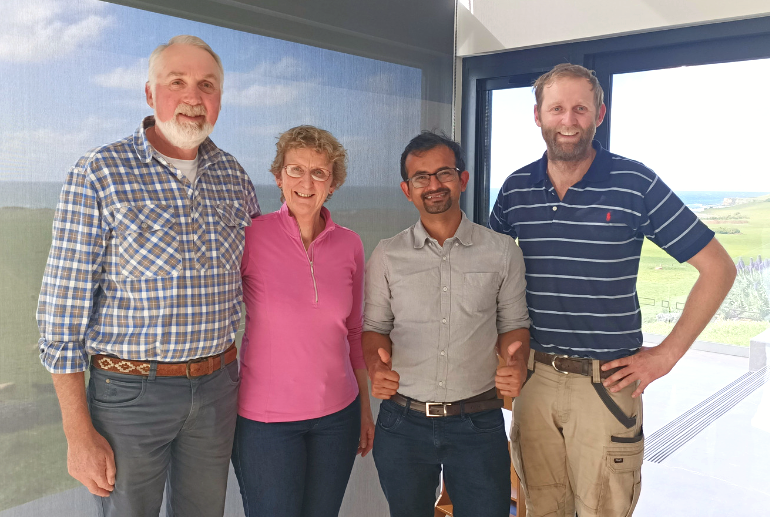
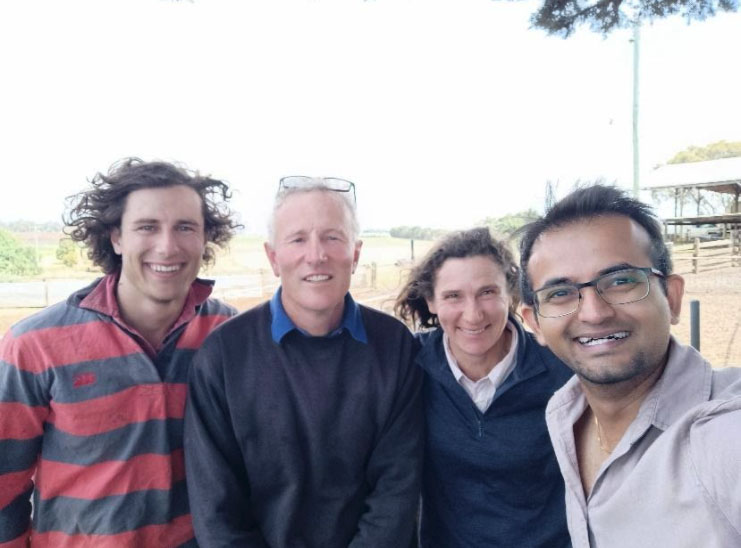
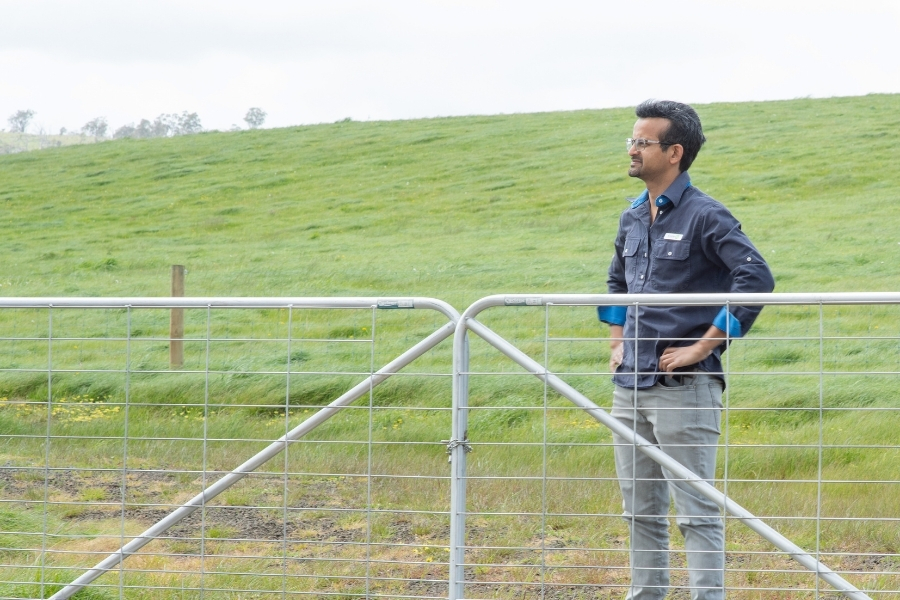
Pictured: John Bruce, Angela Bruce, and Iain Bruce of Western Plains Beef, along with Ram Savana from Enable Ag. The Bruces decided to work with a Farmers Coach to enhance their family farm’s operations and achieve a more balanced lifestyle

Creating a Culture of Collaboration

Revolutionising your farm requires a collective effort and a supportive community. Foster a culture of collaboration among your team members, valuing their diverse skills and experiences. Encourage open communication where everyone feels empowered to contribute ideas and insights. By incorporating different perspectives, you tap into the collective intelligence of your team, leading to more innovative solutions and approaches.

Beyond your farm, engage with the broader farming community through knowledge-sharing platforms, industry conferences, and local farming networks. Connect with like-minded farmers, exchange ideas, and learn from each other’s experiences. These connections broaden your perspective and keep you updated on the latest industry trends and emerging innovations.

Prioritise Sustainability

To revolutionise your farm, it’s vital to prioritise sustainability. Implement practices that reduce environmental impact and focus on resource efficiency and conservation. Explore water-saving techniques, such as drip irrigation or precision watering systems, to minimise water usage while maximising crop productivity. Manage soil health through cover cropping, crop rotation, and composting, promoting fertility and biodiversity. Consider incorporating renewable energy sources like solar panels or wind turbines to reduce your carbon footprint and achieve long-term cost savings.

Embrace Continuous Learning

To stay at the forefront of innovation, commit to continuous learning. Attend workshops, webinars, and seminars that focus on modern farming practices and emerging trends. Seek mentorship programs or consult with agricultural experts who can provide guidance tailored to your farm’s unique needs.

By immersing yourself in a community of passionate individuals committed to innovation, you broaden your perspective and discover new approaches to revolutionise your farm. Never stop learning, stay curious, and embrace opportunities for personal and professional growth.

Embracing innovation and challenging traditional practices is the key to revolutionising your farm and creating the time-freedom and balanced lifestyle you desire, and position your farm for long-term success and sustainability.

At Enable Ag, we are dedicated to supporting farmers on their journey to farm revolution. Our team of experienced farming consultants can provide personalised guidance and help you implement innovative strategies to unlock your farm’s full potential. Embrace the power of innovation, break free from old habits that slows you down, and embark on a path towards a more prosperous and fulfilling farming future.

Book a free discovery call with Enable Ag today, and together, let’s revolutionise your farm for a better tomorrow. Embrace innovation, embrace change, and embrace the limitless possibilities that await you in your farming journey.

In the fast-paced world of farming, success often hinges on making the right decisions, managing time effectively, and fostering a cohesive team. Farmers face unique challenges, and that’s where a Farmer Coach can make a world of difference. By providing guidance, expertise, and personalised support, a Farmer Coach can help you revolutionise the ways in which you operate your farm, increase efficiency, and nurture a balanced lifestyle.

Real-Life Transformations: Success Stories of Farmers

By sharing some inspiring stories of farmers we have helped, we aim to demonstrate the tangible results that agricultural coaching can bring and inspire other farmers to consider the valuable role of a coach in their own farming journey.

Corey and Janelle Spencer – Overcoming Time Management Challenges

For Corey and Janelle Spencer, owners of C&J Spencer Agriculture in Bracknell, managing time effectively and ensuring timely invoicing proved to be major obstacles. They often faced delayed payments from clients, leading to stress and frustration. Seeking help from Enable Ag, they discovered that their existing processes were hindering their success. Through a customised system and tailored guidance, Enable Ag enabled them to streamline their invoicing process, reducing the time it took by a third. The changes not only increased efficiency but also improved their overall productivity and profitability.

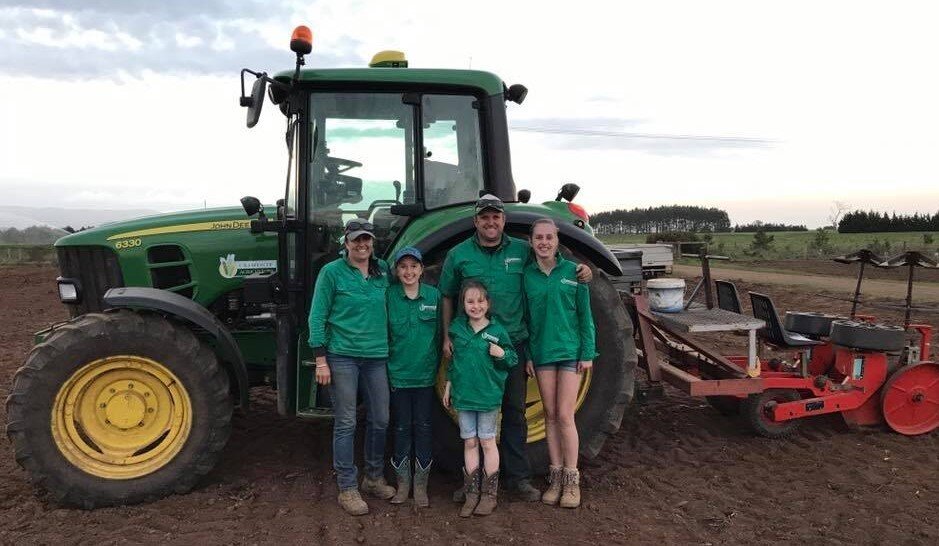
Pictured: Corey and Janelle Spencer (Owners, C&J Spencer Agriculture) with their family at their farm in Bracknell

Pictured: Corey and Janelle Spencer, owners of C&J Spencer Agriculture with their family at their farm in Bracknell, Tasmania.

Hugh Bradley, Rob Bradley, and Jo Bradley – Mastering Decision-Making and Planning

At Woollen Park, the Bradley family faced significant challenges in decision-making and planning as their farming business grew. They struggled to keep up with scattered information across multiple platforms, which put immense pressure on them. With Enable Ag’s expertise, the Bradleys gained insights into effective decision-making, time management, and organisational skills. By adopting new systems and integrating tailored tech solutions, they witnessed substantial improvements in their business. This transformation not only helped them manage their farm more efficiently but also paved the way for a more successful and sustainable future.

Hugh Bradley, Rob Bradley (the current Nuffield Australia Chairman), Jo Bradley and Ram Savana from Enable Ag - Farmers Coach Australia

Pictured: Hugh Bradley, Rob Bradley (the current Nuffield Australia Chairman), Jo Bradley and Ram, taken on their farm at Woollen Park.

Embracing Transformation: The Power of Agricultural Coaching

Each of these stories underlines the importance of having a Farmer Coach to help navigate the complexities of managing time in farmers’ lives. As seen in the experiences of Corey and Janelle Spencer and the Bradley family, with the right guidance, systems, and tools, it’s possible to tackle time management issues, improve decision-making and planning, enhance team communication, and ultimately, run a more efficient and profitable farm.

We at Enable Ag are committed to delivering this level of transformative support to our clients. We believe in the potential of each farmer and farm to reach new heights of success with the right approach and mindset.

Is your farm ready for a similar transformation? Explore the incredible possibilities that agricultural coaching can bring to your farm. For a more detailed look at these success stories and others, we invite you to visit our Success Stories page. Witness firsthand the profound impact Enable Ag can have on your farming journey.

Let’s take the first step towards your farm’s success today.

Are you tired of drowning in paperwork, longing for a more efficient way to handle your farm administration? We have great news for you—there is a better way! In this article, we’ll guide you through valuable insights and practical tips to streamline your farm administration processes, freeing up valuable time for what you truly love.

Embrace the Digital Revolution in Farm Administration

Transitioning from paper-based processes to digital ones may feel overwhelming, but it’s a game-changer for farm administration. Digital tools empower you to store, retrieve, and analyze data efficiently, slashing paperwork time while minimising the risk of errors or data loss.

Enable Ag Tip: Consider adopting cloud-based farm management software that allows you to record, track, and manage everything from livestock health to crop yields in real-time. With this solution, you can bid farewell to physical paperwork, accessing and analyzing centralised data effortlessly. Embracing cloud-based systems also enables you to run farm administration processes remotely, reducing your dependency on being physically present.

Harness the Power of Automation to Streamline Farm Administration

Automation is your most reliable ally in the battle against paperwork. By automating repetitive tasks like invoicing, payroll, and reporting, you can save significant time while minimising the chances of human error.

Enable Ag Tip: Utilise accounting software that integrates seamlessly with your farm management system. This integration enables you to automatically generate invoices based on your management system’s data, streamlining the invoicing process and drastically reducing the time spent on invoicing and reconciliation.

Streamline Farm Administration: Ways to Conquer Paperwork and Reclaim Your Time

Embracing digital solutions can help streamline your farm operations and minimise time spent on data entry and analysis.

Standardise Your Farm Administration Processes for Streamlined Efficiency

Standardisation is key to slashing paperwork hours. By establishing defined processes for each task, you minimise the risk of errors and expedite the processes’s efficiency.

Enable Ag Tip: Create a standard operating procedure (SOP) along with a simple demo video for each administrative task. These SOPs should detail every step, assign responsibilities, and include timelines for completion. This not only streamlines your processes but also facilitates training for new staff members.

Regularly Review and Enhance Your Farm Administration Processes

Just as farming practices evolve, so should your farm administration processes. Regularly reviewing your processes allows you to identify areas of inefficiency and potential improvements. By continuously optimising your processes, you save time and reduce paperwork.

Enable Ag Tip: Schedule quarterly reviews of your farm administration processes. During these reviews, analyze the effectiveness of each process and identify areas where you can reduce paperwork or streamline operations. Having clear Key Performance Indicators (KPIs) helps you measure your success and pinpoint areas for improvement.

Delegate and Share the Workload for Efficient Farm Administration

Remember, you don’t have to tackle everything alone. Delegating administrative tasks to trusted team members not only frees up your time but also fosters a more balanced distribution of workload.

Enable Ag Tip: Delegate data entry tasks to detail-oriented team members who are comfortable with technology. By doing so, you reduce your workload and provide an opportunity for your team members to develop new skills.

Let Enable Ag Help Streamline Your Farm Administration for Improved Efficiency and Productivity

By embracing digital solutions, standardising processes, and delegating tasks, you can streamline your farm administration processes and conquer the paperwork mountain. These strategies save you valuable time while enhancing the accuracy and efficiency of your administrative tasks, allowing you to focus on what truly matters.

At Enable Ag, we’re committed to helping you reclaim your time. Let’s have a chat to see if our program is right for you.

Schedule your free 15-minute Discovery Call today!