

Most farms carry a small toolbox of apps these days. Agworld for records. A task sheet for planning. Accounting for BAS time. Still, many teams feel a quiet guilt when an app is not opened for a month. “We should be using it more.” The truth is, you do not need every tool every week. Farming runs on seasons. Your apps should too.

That is why we built a simple planner you can download and use with your team. It lists your core applications and shows when each one matters across the year. It is not an audit. It is not another job. It is a calm map you can point to and say, “This is our rhythm.”

Plain talk for the team: We use apps by season. A 0 (Standby) month is intentional. If reality changes, we update the plan. No guilt, just learning.

Why expectations matter

Unclear expectations create noise. People worry they are behind. Managers push activity for the sake of it. New staff get mixed messages. Clear expectations do the opposite. They lower stress, reduce pointless work, and focus attention when it counts. When the team knows that Agworld will be Peak during spray and light during harvest, nobody wastes energy trying to keep everything “busy”. You get better decisions at the right time and less clutter all year.

Meet the App Rhythm Map

App Rhythm Map Template. The planner is a single sheet. Down the left you list the apps you use and a one-line purpose. Across the top are the months. For each month you choose a simple intensity:

3 Peak – the app matters most this month
2 Regular – weekly or steady use
1 Light – ad hoc checks
0 Standby – planned low or no use

That is it. No metrics. No scorekeeping. Just a rough guide that sets expectations and makes sense to everyone, including non-tech savvy team members.
How to set it up with your team

1. List your apps. One row each. Keep the purpose to one line.
2. Mark the months. Use 0 to 3 based on your seasons. Start with Regular, then raise or lower where it makes sense.
3. Explain the idea. Read the plain talk line above. Make it normal that Standby months exist.
4. Save and share. Put the live link where the team can find it.
5. Update when reality shifts. Weather moves plans. That is fine. Adjust and carry on.

When to use it

1. Best time: induction. Show new staff which apps exist, why they matter, and when they will actually use them. It sets calm, realistic expectations on day one.
2. Next best time: now. Whatever month you are in, fill what you know and start using the planner as your guide.
3. Before busy windows. A quick run-through ahead of spraying, lambing, shearing, seeding, or harvest focuses the team.
4. When introducing a new app. Add a row, mark its season, and explain where it fits.

A few real examples

1. Agworld: Peak in spray and spread months. Regular in shoulder months. Light or Standby during harvest.
2. Task planning sheet: Regular most of the year. Peak when there are many moving parts. Standby during single-activity weeks like shearing.
3. Xero: Peak in BAS months. Regular otherwise.
4. Irrigation monitoring: Peak in hotter, drier periods. Light or Standby in wet, cool months.

The App Rhythm you are aiming for

Less guilt. Fewer mixed messages. A team that understands the rhythm of work and the role of each tool. People stop chasing activity and start doing the right things at the right time. That is how small changes become a calmer, more proactive farm. Download the template: App Rhythm Map Template. Add your apps, mark the months, share with the team. If reality changes, update the plan and move on.

If you found this article helpful, share it with your network to help others unlock their farming potential. Don’t forget to like and follow us on social media for more insightful tips: FacebookInstagram, and LinkedIn. Let’s empower more farmers together!
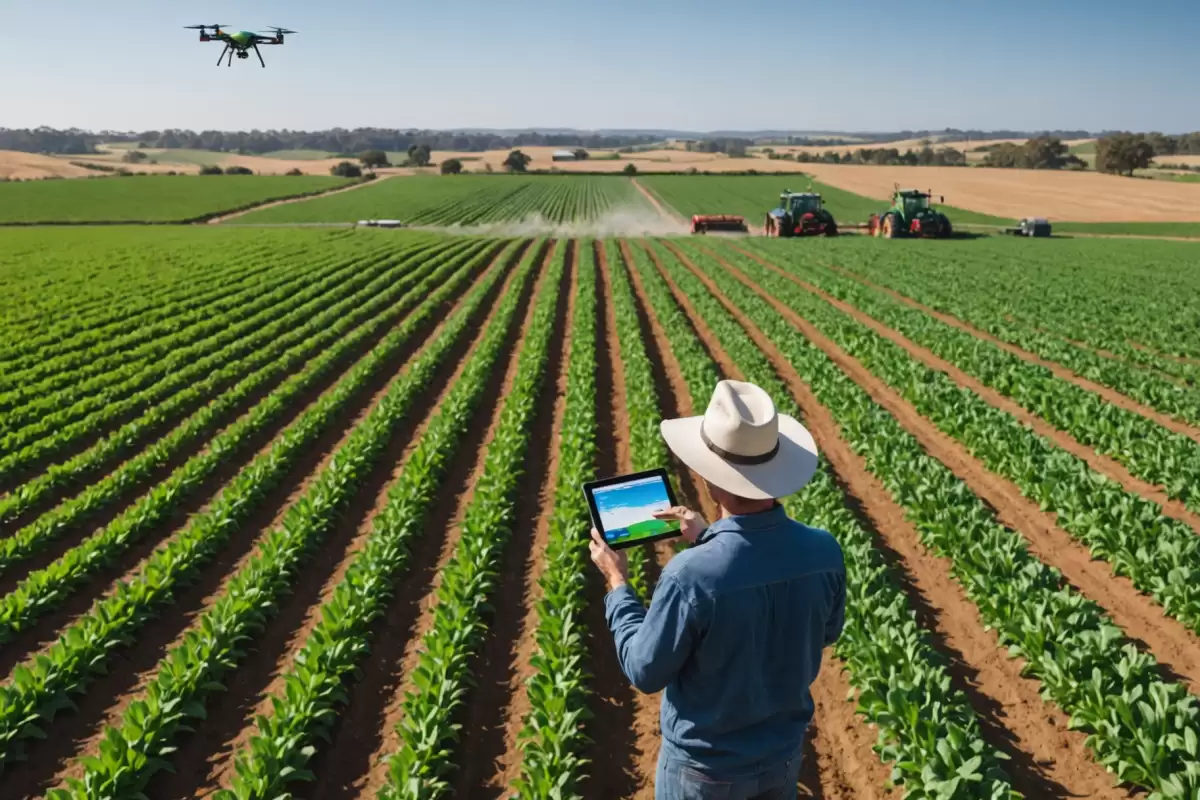
In the fast-paced world of agriculture, the demands on your time can be overwhelming. As an Australian farmer, you’re no stranger to the challenges of managing a farm while striving for productivity and profitability. Enter smart farming systems—innovative solutions designed to help you reclaim your time without sacrificing the success of your farm. These systems are not just about technology; they’re about transforming your daily operations to create a more sustainable and balanced farming lifestyle. According to this article on smart farming, precision agriculture is revolutionising the way we approach farming, offering practical solutions that can empower your team and streamline your workflow.

Understanding Smart Farming Systems

Smart farming systems are all about efficiency and precision. They integrate advanced technologies like IoT, AI, and data analytics to optimise various farming processes. Imagine having a system that monitors soil conditions, weather patterns, and crop health in real-time. This isn’t just futuristic thinking; it’s happening now. By adopting these systems, you can make informed decisions that enhance productivity and reduce waste.

But what does this mean for you? It means less time spent on manual tasks and more time focusing on strategic decisions that drive your farm’s success. Ever tried using a drone to survey your fields? It’s a game-changer! These systems provide insights that were previously unimaginable, allowing you to manage your resources more effectively.

The Benefits of Automation in Agriculture

Automation is a key component of smart farming systems. It’s not about replacing human labour but enhancing it. By automating repetitive tasks, you can free up your time and energy for more critical aspects of farming. Think about irrigation systems that adjust based on weather forecasts or automated feeding systems for livestock. These innovations reduce the margin for error and ensure your farm operates smoothly.

Moreover, automation can significantly reduce stress. Knowing that your systems are handling routine tasks allows you to step back and focus on the bigger picture. It’s like having an extra pair of hands that never tire. This not only improves efficiency but also contributes to a healthier work-life balance.

Tailored Solutions for Your Farm

At Enable Ag, we understand that every farm is unique. That’s why smart farming systems are not one-size-fits-all. They can be tailored to meet the specific needs of your farm. Whether you’re managing a large-scale operation or a smaller family farm, there are solutions designed to fit your requirements.

Consider the challenges you face daily. Is it managing crop rotation, monitoring livestock health, or optimising resource use? Smart farming systems can address these issues with precision. By customising these systems, you can ensure they align with your goals and enhance your farm’s productivity.

Empowering Your Team

Empowering your team is crucial for the success of any farm. Smart farming systems can play a significant role in this by providing your team with the tools they need to perform their tasks more efficiently. Training your staff to use these systems not only boosts their productivity but also increases their job satisfaction.

Imagine a team that’s not bogged down by mundane tasks but is instead focused on strategic initiatives that drive growth. By investing in smart farming systems, you’re investing in your team’s future. This empowerment leads to a more motivated workforce and a more successful farm.

Taking the First Step Towards Smart Farming

Transitioning to smart farming systems might seem daunting, but it doesn’t have to be. Start small and gradually integrate these technologies into your operations. Begin with areas that require immediate attention and expand as you become more comfortable with the systems.

Remember, the goal is to enhance your farm’s efficiency and sustainability. By embracing these innovations, you’re not just improving your farm’s productivity; you’re transforming your lifestyle. It’s about working smarter, not harder.

Ready to take control of your farm’s future? Download the Farmers’ Ultimate Freedom Checklist to discover how smart farming systems can revolutionise your operations. Empower yourself, empower your team, and transform your farm today.